Most travelers who visit Mallorca see the same postcard version of the island: Palma Cathedral, the Tramuntana mountains, and a crowded beach in Alcudia. The guidebooks have been recycling those recommendations for two decades. What they never tell you is that Mallorca has an entirely parallel world of unique Mallorca experiences that require local access, genuine relationships, and the kind of knowledge that only comes from spending years on the ground. This article covers seven of them, written for travelers who have already seen the standard itinerary and want something worth the flight.
Table of Contents
Quick Takeaways
Key Insight | Explanation |
|---|
Local relationships are the real access pass | Most off-the-beaten-path Mallorca experiences are not bookable online. They exist through personal introductions and trusted local contacts built over years. |
Timing separates the ordinary from the extraordinary | Olive harvests run October through December. Sea caves are calmest April through June. Private art access is easiest in the shoulder season when collectors are in residence. |
Off the beaten path does not mean uncomfortable | Luxury and authenticity are not opposites in Mallorca. A private estate lunch with the farming family can be paired with a chauffeured return to a five-star villa. |
Group size determines quality on the island | Every experience listed here deteriorates sharply above eight people. Keep groups intimate and the experience stays genuine. |
Language access changes everything | Many of the most authentic experiences in rural Mallorca are conducted entirely in Mallorquin or Castilian Spanish. A bilingual guide is not optional, it is the difference between watching and participating. |
Generalist agencies cannot replicate this | Mass-market travel agencies lack the island-specific network to arrange private estate access, family dining, or after-hours cultural experiences. These require dedicated local operators. |
The best experiences are not listed anywhere | By definition, the most exclusive Mallorca experiences are not on TripAdvisor, Viator, or in any published guidebook. Discovery requires curated human intelligence, not search algorithms. |
1. Private Olive Oil Harvest Sessions on Working Estates
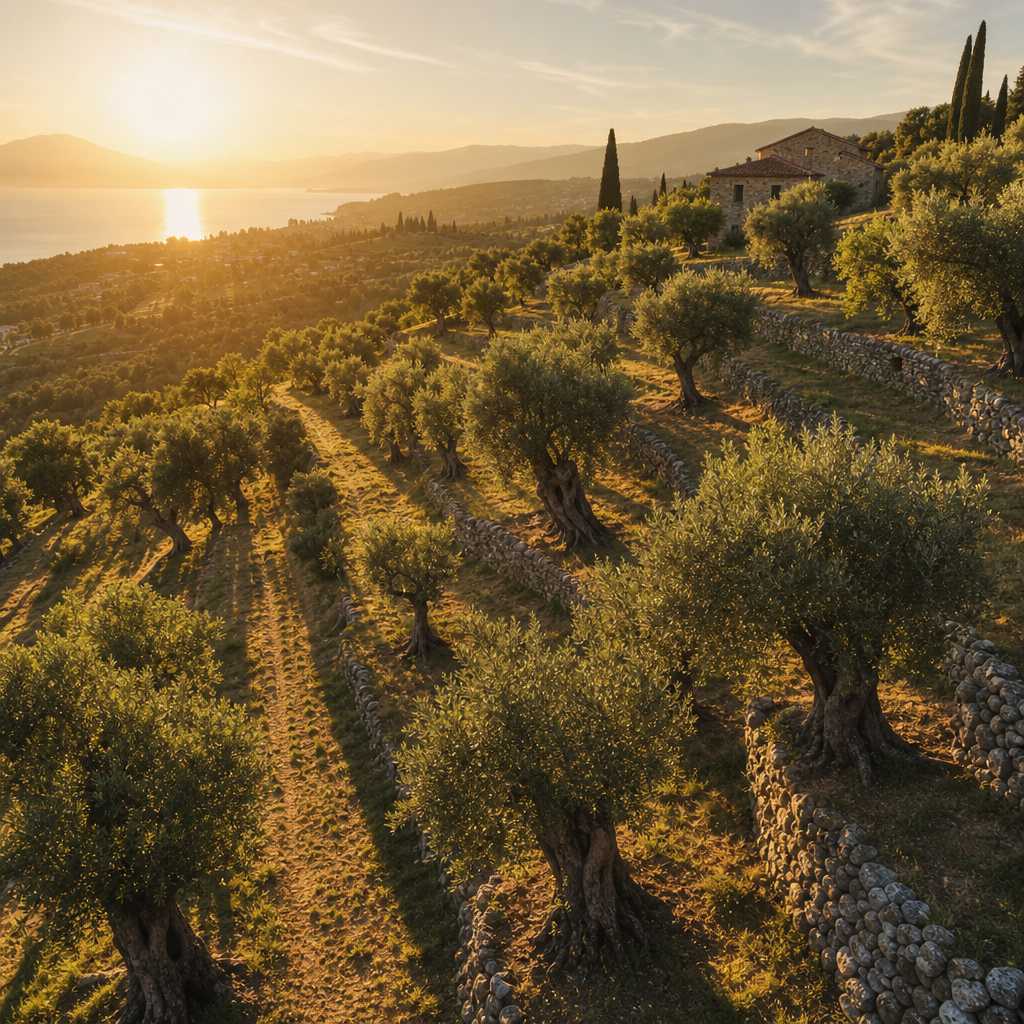
The Mallorcan interior is dotted with centuries-old finca estates whose olive groves predate the Spanish monarchy. Between October and December, the harvest season transforms these properties into something deeply alive. Most visitors never see it because the estates are private working farms, not agrotourism operations.
In practice, accessing a genuine harvest session means knowing which families still farm traditionally using the vara method, where workers beat the branches with long poles to release the olives onto nets below. This is not a staged demonstration. The family works alongside you, the machinery hums in the background, and lunch is whatever the estate cook prepares that day, usually lamb, sobrasada from the estate's own pigs, and olive oil so fresh it is almost green.
A common mistake is booking an "olive oil tour" through a generic platform and arriving at a commercial finca that runs two hundred visitors a week through a scripted tasting room. That is a winery tour in disguise. The real experience requires a direct relationship with the estate owner and an introduction through a trusted local network.
Pro tip: Ask specifically whether the estate still uses millstone pressing, known locally as a molino de piedra. Estates that have retained the stone mill alongside modern centrifuge systems tend to be the ones that take traditional farming most seriously, and they produce an extra virgin oil with a flavor profile that no commercial brand can replicate.
2. Guided Freediving in the Sea Caves of the Eastern Coast
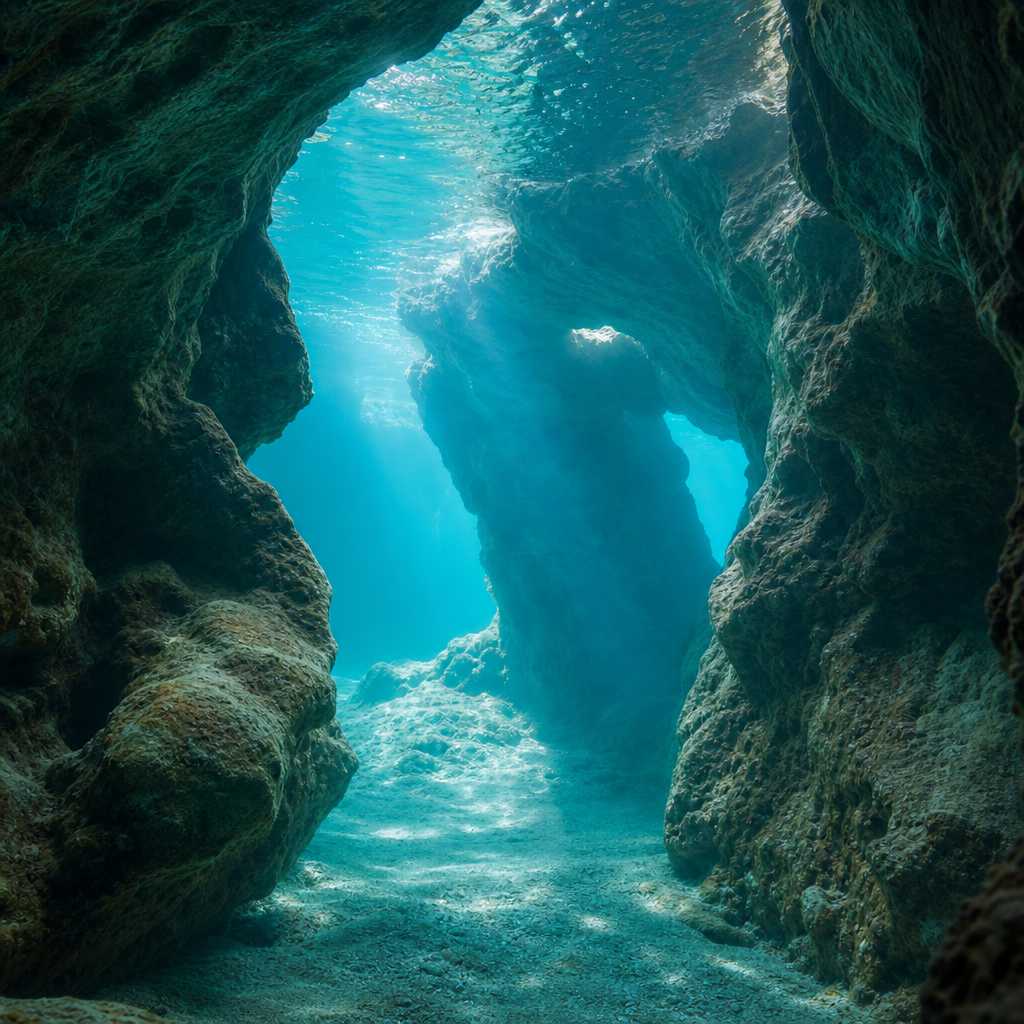
Mallorca sits above an extraordinary underwater karst landscape. The eastern and southeastern coastlines, particularly around Porto Cristo and Cala Varques, contain a network of partially submerged sea caves that most visitors walk straight past without knowing what lies beneath the surface.
The experience worth having is not scuba diving, which is well-documented and widely available. The unique Mallorca experience here is guided freediving, entering these caves on a single breath with a certified local instructor who knows precisely where the cave systems open into air pockets, cathedral-like chambers, and stalactite formations that have been developing for tens of thousands of years.
Why Freediving Beats Scuba in This Context
Scuba equipment creates noise, bubbles, and a constant mechanical intrusion that disrupts the complete silence of these spaces. Freediving in a sea cave at the right time of morning, when light angles through an entrance and illuminates the water column, is a genuinely transcendent experience. The silence is total. The visibility in the cleanest caves runs to 30 meters or more.
Access requires a private boat to reach the non-beach-entry caves, a freediving instructor with specific local cave experience, and good weather conditions that keep the eastern swell below 0.5 meters. This combination is not something a group tour can arrange. It requires a dedicated Mallorca travel consultancy coordinating the yacht, the instructor, and the weather window simultaneously.
3. Dining at a Mallorcan Family Table, Not a Restaurant
Mallorca has excellent restaurants. Several hold Michelin stars and deservedly so. But the most memorable meal most long-term visitors to the island describe is not one they had at a restaurant. It is the Sunday lunch at someone's home in the interior, where the grandmother still makes coca de trampo from scratch and the wine comes from vines the family planted before World War II.
This is not a commercial dining experience that someone has packaged and listed online. In practice, it works like this: a trusted local connection arranges an introduction to a family in a village in the Pla region, typically through a mutual friendship or a professional relationship that has developed over years. You arrive with a small gift, usually something from the market in Palma, and you spend four hours at a table that was never designed for tourists.
"The greatest luxury in Mallorca is not the five-star hotel. It is the Sunday table of a family who has lived on this island for four generations and is willing to share it with you." A sentiment expressed by multiple long-term Mallorca residents who guide Maison Mallorca's philosophy of access over amenity.
The food is off the beaten path Mallorca in the most literal sense. Arros brut, the island's working-class rice dish made with whatever game the family hunted that week. Frit mallorquí, the offal fry that no restaurant in Palma prepares the way a village family does. This is the culinary heritage of the island, and it exists almost entirely outside the tourism infrastructure.
Pro tip: Bring a small amount of English-language research about the village or the family's region as a conversation starter. Mallorcan families are intensely proud of their local history, and showing that you took the time to learn something before arriving changes the entire dynamic of the meal.
4. Walking the Tramuntana on Shepherd Trails That Predate Tourism
The Serra de Tramuntana was designated a UNESCO World Heritage Cultural Landscape in 2011, largely because of its extraordinary dry-stone terracing and the ancient network of paths that shepherd communities used to move livestock between seasonal pastures. Most tourists who walk in the Tramuntana use the GR-221, the long-distance route that has become well-known and, in summer, genuinely crowded.
The shepherd trails are something else entirely. They are narrower, steeper, and in many cases not signposted at all. They cross private land with easements that date back centuries, pass through farmsteads that still function, and lead to viewpoints that no guidebook has ever photographed because they require local knowledge to find.
The Difference Between the GR-221 and the Historic Camins de Muntanya
The GR-221 is excellent for multi-day walkers who want marked infrastructure and organized refuges. The historic camins, the old mountain paths, are for those who want to experience the landscape on its own terms. These routes require a knowledgeable guide who can navigate without signage, manage water supply from ancient stone cisterns, and engage with farmers encountered along the way in Mallorquin, not tourist Spanish.
The most rewarding of these routes run between Estellencs and Banyalbufar, through the upper terraces above Sóller, and along the northern escarpment toward Cala Tuent. None of these are off-limits to visitors, but accessing them correctly requires local knowledge that a generalist tour operator simply does not have.
5. After-Hours Access to Private Art Collections in Palma
Palma has a thriving contemporary art scene that most visitors glimpse only through the Fundació Pilar i Joan Miró or the Es Baluard museum. Both are excellent institutions, but they represent the public face of Mallorcan art culture. The private collections are an entirely different story.
Over the past two decades, Palma's old town has attracted a serious community of collectors, many of them European and American, who own significant works and in some cases have converted historic palaces into private galleries. These collections are not open to the public. Access happens through introductions, shared social networks, and the kind of trusted relationships that take years to build.
In practice, an after-hours art access experience in Palma means being welcomed into a private residence by the collector themselves, who walks you through the collection and explains the acquisition story behind each piece. The conversation is often the most valuable part. These are people who buy Basquiats and Serras not as status symbols but because they genuinely live with the work and can articulate what it means to them.
This type of luxury Mallorca travel experience is impossible to find through any standard booking channel. It is the direct result of a travel consultancy that has cultivated genuine relationships within Palma's cultural community over many years of on-island presence.
6. Anchored Stargazing by Private Yacht in a Protected Marine Zone
Mallorca sits within the Balearic Sea, and the northwestern marine zone near the Dragonera island reserve has some of the lowest light pollution of any coastal area in the western Mediterranean. The Starlight Foundation, which certifies dark sky reserves, has recognized the Balearic Islands as one of the best stargazing destinations in Europe.
The experience that combines luxury Mallorca travel with this natural phenomenon is simple in concept and complex in execution: a private yacht anchors in a protected cove off Dragonera after sunset, the crew cuts all deck lights, and guests lie on the foredeck with a professional astronomer who has set up a portable telescope and provides a guided interpretation of what is visible.
Why This Experience Requires Careful Coordination
The Dragonera marine reserve has strict regulations about anchor placement and night-time access. A standard yacht charter captain will not know the permitted anchoring zones well enough to guarantee both legal compliance and optimal stargazing position. Getting this right requires a captain with specific reserve experience and a prior relationship with the marine park authority. The astronomer component adds another layer, as qualified astronomy guides on the island are few and are booked months in advance during summer.
The payoff is extraordinary. On a clear autumn night in that marine zone, the Milky Way is visible to the naked eye as a distinct structural band across the sky. For most American travelers who have spent their lives in urban or suburban environments, this is a genuinely transformative experience.
7. A Full-Day Ceramics Immersion with a Third-Generation Artisan
The town of Pòrtol, a few kilometers inland from Palma, has been the center of Mallorcan ceramics production since the Arab period. The characteristic green and ochre glazed earthenware, the siurells, the traditional pitchers, the hand-painted tiles, all of it traces back to workshops in this town and the neighboring village of Sa Cabaneta.
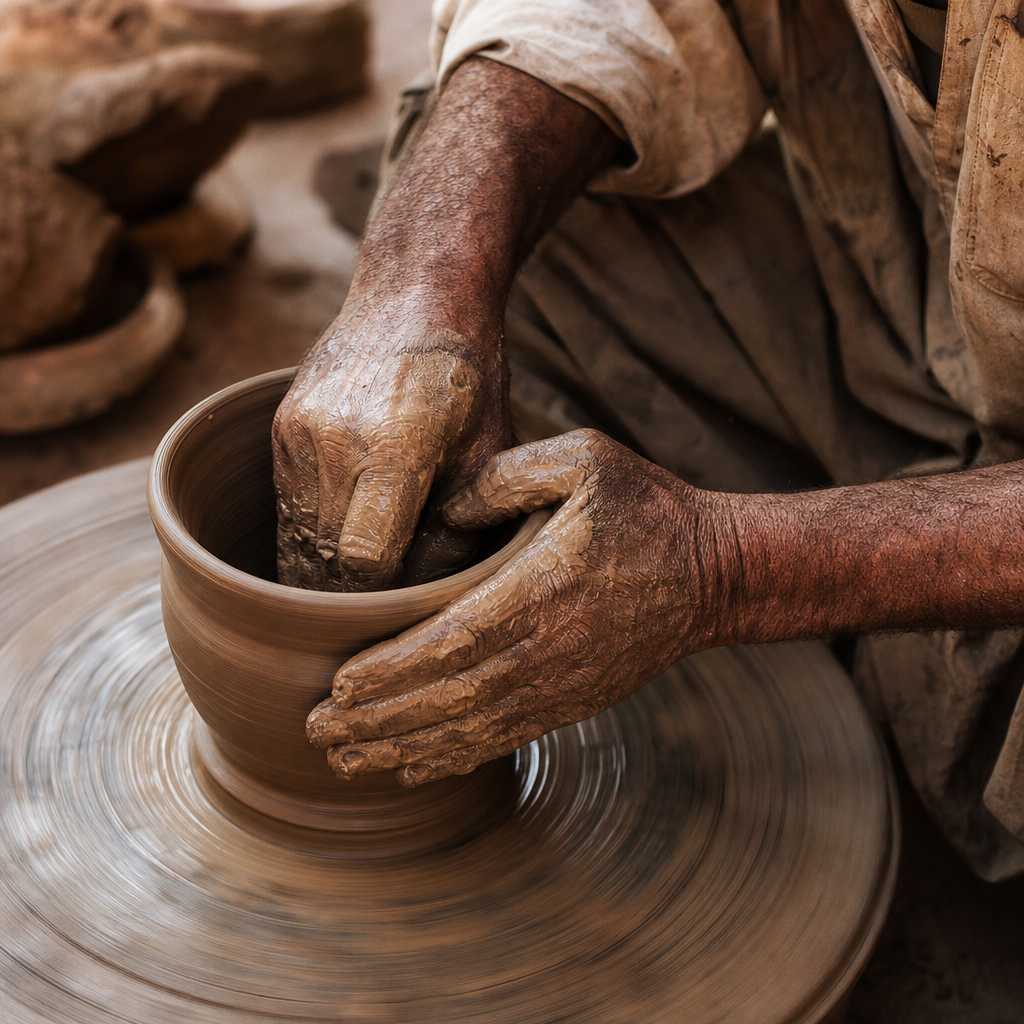
Most visitors who discover Mallorcan ceramics at all buy a souvenir at a shop in Palma's old town. A very small number make it to Pòrtol to visit a working workshop. Almost none spend a full day working alongside a third-generation ceramicist who learned the craft from his grandmother and has been practicing it for forty years.
That full-day immersion, beginning with clay preparation and ending with a piece that you have thrown, trimmed, and watched go into the kiln, is an off the beaten path Mallorca experience that produces something genuinely irreplaceable. You leave with a handmade object and the physical memory of making it. No shopping trip in Palma comes close.
How to Actually Access These Experiences
The honest answer is that none of these seven experiences are accessible through a standard booking process. No Viator page, no Airbnb Experience listing, no hotel concierge desk has the network required to arrange a private estate harvest, a family Sunday lunch, or after-hours access to a private art collection.
What all seven of these experiences have in common is that they require trusted local relationships, not just local knowledge. The difference matters enormously. Knowledge can be Googled. Relationships cannot. A contact who has known an estate family for a decade can make a phone call that a newcomer simply cannot make.
This is precisely why Maison Mallorca operates differently from generalist agencies and villa rental platforms. The company has spent years cultivating exactly these kinds of relationships with estate families, artisans, collectors, marine experts, and cultural figures across the island. When a client requests an experience that does not exist in any catalog, that network is what makes it possible.
Competitors in the Mallorca villa rental space, platforms like those focused exclusively on property listings, can book you a beautiful house. What they cannot do is make a call to the olive oil family in Bunyola or arrange the marine reserve permission for a night anchor at Dragonera. That gap between accommodation booking and genuine experience curation is where the real value of a dedicated Mallorca travel consultancy sits.
Comparing Ways to Experience Mallorca Off the Beaten Path
Approach | What You Get | What You Miss |
|---|
Self-planned travel with guidebook research | Independence, flexibility, standard public attractions well covered | Private estate access, family dining, after-hours cultural experiences, advance booking relationships for the best guides and artisans |
Villa rental platform with no concierge (generic listing sites) | Excellent accommodation selection, reasonable pricing, property photos and reviews | Zero curated experience layer, no on-island human support, experiences limited to what hotel concierges can book commercially |
Dedicated Mallorca luxury travel consultancy (Maison Mallorca approach) | All seven experiences in this article, plus seamless logistics, 24/7 on-island support, and a fully personalized itinerary built around genuine local access | The lower price point of doing it yourself, though the value difference is significant for travelers who have limited vacation time and high expectations |
Frequently Asked Questions
When is the best time of year for unique Mallorca experiences off the beaten path?
The shoulder seasons of April through June and September through November consistently deliver the best combination of access and conditions. Summer brings crowds that make private experiences harder to arrange and rural families less available. The harvest season in October and November is particularly rich for interior estate experiences. Winter, while quiet, limits marine activities but opens up exceptional cultural and culinary access in Palma.
Do I need to speak Spanish or Mallorquin to access authentic local experiences?
You do not need to speak either language personally, but your guide or travel consultant absolutely must. Many of the most authentic experiences on the island happen in Mallorquin, the local Romance language that is distinct from Castilian Spanish. A bilingual guide who is trusted by the local families is not a luxury add-on, it is the access mechanism itself. This is one reason why booking through a locally embedded consultancy matters so much more than hiring a generic tour guide.
How far in advance do these experiences need to be arranged?
For harvest season experiences, private art access, and the marine reserve stargazing, plan for a minimum of three to four months in advance. The family dining and ceramics workshop experiences can sometimes be arranged in four to six weeks if the relationships are already in place. Summer dates for any of these require six months minimum because the best guides, artisans, and yacht captains are fully committed well ahead of peak season. The single most common disappointment among luxury travelers to Mallorca is trying to arrange these experiences two weeks before arrival.
Are these experiences appropriate for families with children?
Several of them work exceptionally well with children, particularly the olive harvest, the ceramics workshop, and the family lunch experience. Children are deeply welcomed in Mallorcan family culture and their presence often makes the family connection warmer and more natural. The freediving and marine reserve stargazing experiences have age and ability requirements that vary by group. The private art access is best suited to adults or mature teenagers with a genuine interest in contemporary art.
How does Maison Mallorca differ from just hiring a local guide on arrival?
A local guide hired on arrival can show you the Tramuntana trails and explain Mallorcan history. What they cannot do is call the olive estate family they have known for ten years, arrange the marine reserve anchor permit, or get you into a private art collection in Palma. Maison Mallorca's value is not guiding, it is access, and access comes from long-term relationships on the island, not from a guidebook or a local hire made the week of your trip.
Can these experiences be combined into a single week-long itinerary?
A well-curated seven-day Mallorca itinerary can realistically include three to four of these experiences without feeling rushed. Trying to fit all seven into one week risks turning each one into a checkbox rather than a genuine immersion. In practice, the best approach is to identify your two or three highest priorities, build those deeply into the itinerary, and allow the remaining days to be shaped by what emerges naturally from the connections made during the trip.
If you have had a Mallorca experience that genuinely surprised you, one that you would never have found in a guidebook, share it in the comments below. The best local intelligence on this island still travels by word of mouth.
References