Discover the best neighborhoods in Palma Mallorca for luxury stays, exclusive dining, and world-class shopping. A frank expert guide for discerning American travelers.
Best Neighborhoods in Palma Mallorca for Luxury Travelers
Discover the best neighborhoods in Palma Mallorca for luxury stays, exclusive dining, and world-class shopping. A frank expert guide for discerning American travelers.
Insider Guide
Most travelers visiting Palma book a hotel near the waterfront and assume they have found the best the city offers. They have not. The best neighborhoods in Palma Mallorca for discerning American travelers are defined not by proximity to the sea alone, but by the quality of the architecture, the caliber of the dining, the density of world-class boutiques, and the feeling that you are somewhere genuinely exclusive. This guide cuts through the noise and gives you a frank, experienced assessment of where to stay, shop, and explore in Palma, so you arrive with a plan worthy of the city.
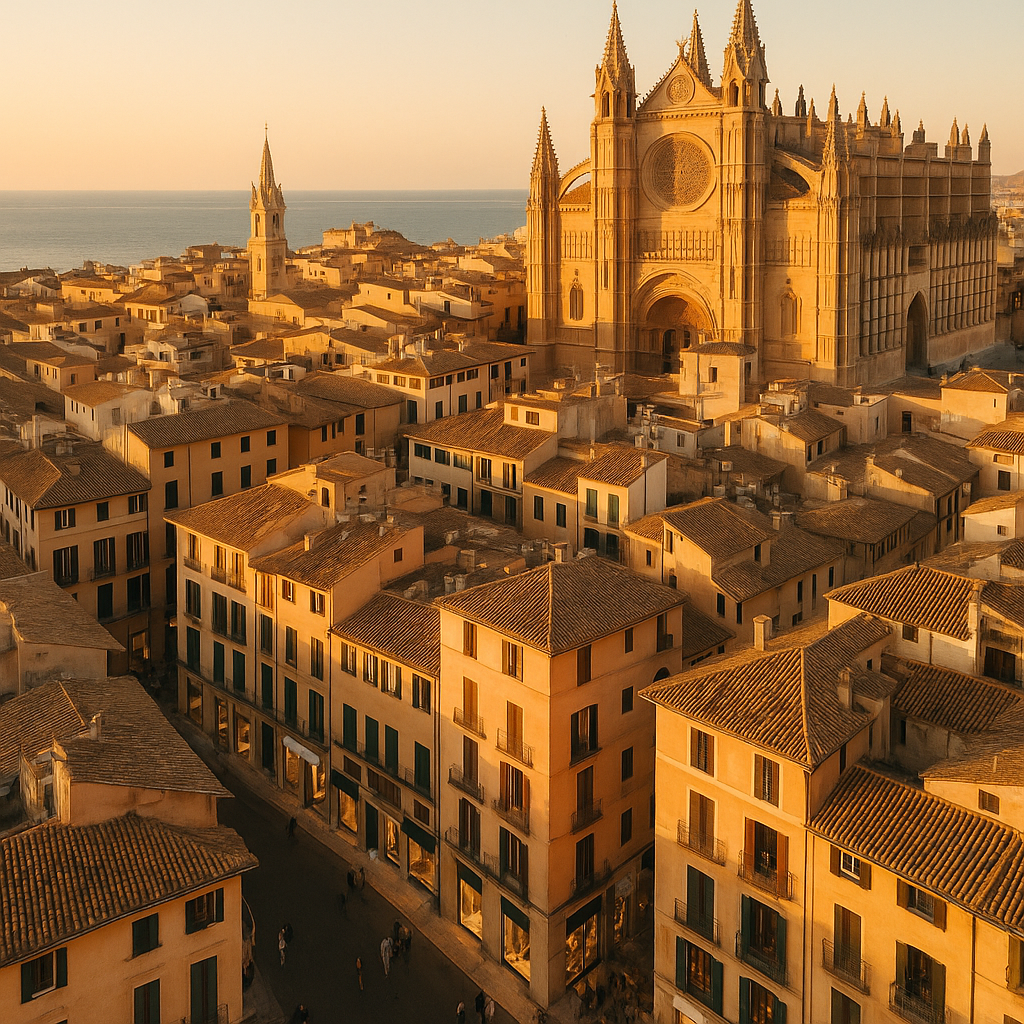
Palma's Casco Antiguo holds the highest concentration of boutique luxury hotels, Michelin-starred restaurants, and heritage architecture in the city. It is the default starting point for any serious Palma itinerary.
Santa Catalina rewards those who look beyond the obvious
This neighborhood has transitioned from a working-class market district to Palma's most dynamic dining and design quarter. International residents and creative professionals now drive its culinary and retail scene.
Son Vida offers privacy that no city-center hotel can match
Positioned on a hilltop above Palma, Son Vida is home to the island's most exclusive hotel properties and private estates. Guests who want seclusion without sacrificing access to the city choose this enclave.
Portixol is Palma's answer to Saint-Tropez without the crowds
This former fishing village is now a boutique-hotel destination favored by Scandinavian and German second-home owners. The pace is slower, the seafood is outstanding, and the marina views are exceptional.
Passeig del Born is the city's premier luxury shopping corridor
This tree-lined boulevard running through the heart of Old Town is where Hermès, Louis Vuitton, and Cartier operate alongside high-end Spanish designers. No serious shopping itinerary skips it.
Neighborhood choice should align with your primary activity
Old Town suits culture and gastronomy. Santa Catalina suits nightlife and modern dining. Son Vida suits golf and privacy. Portixol suits relaxed waterfront days. Matching your base to your priorities matters.
Working with a Palma-based concierge changes the access equation
The best tables, private tours of heritage palaces, and reserved berths at the Real Club Náutico are not accessible through a standard hotel concierge. On-the-ground expertise from a team like Maison Mallorca is what separates a good trip from an exceptional one.
Old Town: Palma's Most Storied Luxury Address
Palma's Old Town, known locally as the Casco Antiguo, is the non-negotiable center of any serious Palma visit. Within its medieval limestone walls you will find Gothic cathedrals, Arab baths that date to the tenth century, Renaissance palaces converted into high-design boutique hotels, and a concentration of Michelin-starred restaurants that rivals much larger European capitals. For American travelers accustomed to Manhattan or Chicago fine dining, the level of culinary ambition here is a genuine revelation.
The neighborhood divides into several distinct sub-zones that reward exploration on foot. The area around Plaça de Cort and the Cathedral of Santa Maria is the historic core, where the Almudaina Royal Palace sits opposite the sea. North of the Cathedral, the barrio of La Calatrava is characterized by narrow lanes, art galleries, and the private residences of Palma's old families. South and west of the Cathedral, towards Passeig del Born, is where the luxury retail and hotel concentration peaks.
Luxury Hotels in Palma Old Town Worth Knowing
The Palma Old Town luxury hotel market is anchored by a handful of genuinely exceptional properties. Can Alomar, a seven-suite property inside a 17th-century palace on Carrer de Can Savellà, is among the most intimate and atmospheric small hotels in Spain. Hotel Tres and Hotel Can Cera both occupy historic manor houses and offer roof terraces with Cathedral views. These are not chain properties with generic service. Each reflects the specific character of the building and the neighborhood.
In practice, the best rooms in these hotels sell out for summer six to nine months in advance for July and August dates. American travelers who wait until March to book a peak-season Old Town stay are almost always disappointed. Planning your Palma hotel selection in the same window you would plan a Paris trip in high season is the right mental model.
Pro tip: Request a room in the inner courtyard of any Old Town palace hotel if light sleep is a concern. The street-facing rooms capture the energy of the city, but Palma's summer evenings are lively until 2 a.m., and the stone walls do not insulate sound as well as modern construction.
Cultural Anchors in the Old Town
The Es Baluard Museum of Modern and Contemporary Art sits at the northwestern edge of the old walls and holds one of Spain's more serious modern art collections, with strong Picasso and Miró holdings relevant to the Balearic context. The Fundació Miró Mallorca, located in a studio-museum designed by Josep Lluís Sert in the Portixol-adjacent studio complex, is technically outside Old Town but accessible in twenty minutes on foot. Both are worth structured visits, not casual walk-throughs.
Private access to the interiors of the Arab Baths, the Almudaina Palace throne rooms, or the private chapels within the Cathedral requires advance arrangement. A luxury Mallorca travel consultancy can secure these reserved-access visits that hotel concierges typically cannot facilitate on short notice.
Santa Catalina: Where Palma's Creative Wealth Lives
Santa Catalina sits immediately west of Old Town and is the neighborhood that most accurately reflects what Palma looks like in 2024 rather than what it looked like in 1990. The area around Mercat de Santa Catalina, a covered market dating to 1920, has become a hub of high-quality casual dining, natural wine bars, and concept retail that attracts a younger, design-conscious international crowd. The residents here include architects, chefs, gallerists, and the creative class attached to the island's high-end tourism economy.
This is not a neighborhood with grand hotels. Santa Catalina's accommodation offer is primarily boutique and design-led, with properties like Hotel Saratoga and a growing number of high-spec serviced apartments catering to travelers who want residential character over ceremonial grandeur. If you are traveling as a couple or a small group that wants to feel like a Palma local rather than a tourist, this is the right base.
The Dining Scene That Sets Santa Catalina Apart
The concentration of serious restaurants within a six-block radius of the market is extraordinary by any European standard. Marc Fosh, the only Michelin-starred restaurant in the neighborhood, operates a refined Mediterranean tasting menu. Around it, a cluster of owner-operated restaurants serve everything from Mallorcan sobrassada charcuterie with local wines to Japanese-Peruvian fusion that would hold its own in Miami or Los Angeles.
A common mistake American visitors make is treating Santa Catalina as a place to visit for one dinner and then retreat to Old Town. The neighborhood earns at least two evenings of dedicated attention. The Thursday night market at Mercat de Santa Catalina, which runs into the late evening in summer, is one of the most pleasurable ways to spend an hour in Palma regardless of your budget.
Pro tip: Walk the streets between Carrer de Cotoner and Carrer de Sant Magí on a weekday morning. The independent design shops, ceramics studios, and concept stores in this corridor are largely unknown to tourist itineraries and offer the kind of objects you will not find in a hotel gift shop or on Passeig del Born.
Portixol and Molinar: Understated Waterfront Elegance
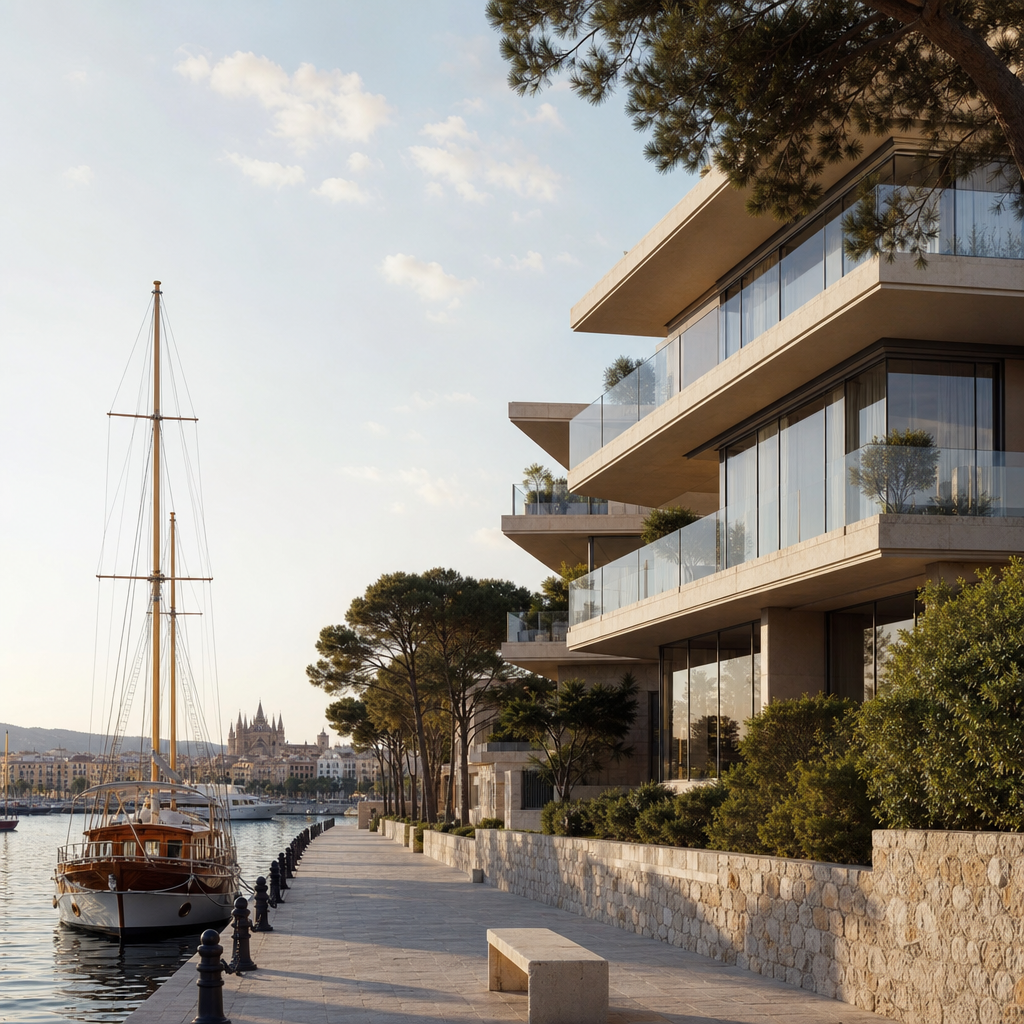
Portixol is approximately fifteen minutes by foot east of Old Town, and it feels like a completely different city. This former fishing village retains its low-rise streetscape, a working marina full of modest fishing boats alongside glossy sailing yachts, and a seafront promenade lined with outdoor tables. The atmosphere is genuinely relaxed in a way that Old Town, for all its beauty, cannot replicate during high season.
The Hotel Portixol, a Scandinavian-owned boutique property directly on the marina, has been the defining address here since it opened in 1999 and effectively catalyzed the neighborhood's transformation. The property remains the strongest single hotel in Palma for guests who prioritize waterfront setting, calm, and excellent service over central location. The hotel's restaurant sources directly from the adjacent fish market and produces some of the best seafood in the city without Michelin theatrics.
Molinar: The Quieter Extension
Continuing east along the promenade, Molinar is the next settlement and is even less discovered. The seafood restaurant Moli d'en Bou, a Michelin-starred property operating in a converted windmill, is the culinary anchor. Around it, an increasing number of high-income Palma residents have converted traditional fishermen's cottages into private residences with rooftop terraces overlooking the bay. This is not a neighborhood for hotel stays, but it is an essential lunch or evening destination if you are based anywhere in Palma.
"Portixol is the kind of neighborhood that converts visitors into return residents. The combination of a real working harbor, excellent food, and streets that have not been overdesigned for tourism is increasingly rare in the Western Mediterranean." - A senior Palma-based architect quoted in Condé Nast Traveler's Spain coverage.
Son Vida: The Hilltop Enclave Above the City
Son Vida is not a neighborhood in the conventional sense. It is a private urbanization on a hill approximately five kilometers northwest of Palma's center, and it functions as the island's most exclusive residential and hotel address. The Castillo Hotel Son Vida, a 13th-century castle converted into a five-star property by The Luxury Collection brand, and the adjacent Sheraton Son Vida, together represent the highest concentration of five-star facilities in any single Palma-area location.
The draw for American travelers is specific. Son Vida has three championship golf courses within its boundaries, a spa infrastructure that exceeds what you will find at any Old Town hotel, and a level of privacy and grounds that the city-center properties simply cannot offer. Families traveling with children or groups that want a resort experience without leaving for a rural finca often find Son Vida to be the right answer.
Golf in Son Vida
The Golf Son Vida course, designed in 1964, was the first golf course built in Spain and remains one of the most scenic. The fairways run through mature pine forest with Palma Bay visible in the distance from the higher holes. Adjacent courses at Golf Son Muntaner and Golf Son Quint complete the offering. For American golfers who want to integrate a serious golf program into a Mallorca trip without driving long distances each morning, Son Vida is the only logical base on the island.
The practical limitation of Son Vida is that it requires a car or a driver to access anywhere else in Palma. The hotel shuttle services exist but they are not flexible. If your priority is spontaneous evening walks through Old Town or browsing Santa Catalina on a whim, Son Vida creates friction. For guests who have a structured itinerary managed by a concierge service that handles all transfers, that friction disappears entirely.
Neighborhood Comparison for Luxury Travelers
Choosing between Palma's top neighborhoods requires honest prioritization. The table below reflects direct observations from guiding American clients through these decisions across multiple seasons.
Neighborhood
Best For
Key Trade-Off
Old Town (Casco Antiguo)
Heritage architecture, Michelin dining, luxury boutique hotels, walking access to culture and shopping on Passeig del Born
Summer noise levels are significant. Parking is nearly impossible. Best enjoyed car-free with a concierge handling logistics.
Santa Catalina
Independent dining, design culture, residential atmosphere, the city's best market
No grand hotel properties. Accommodation is boutique-scale. Not suited to travelers who want formal five-star hotel services on site.
Portixol and Molinar
Waterfront calm, exceptional seafood, boutique hotel character, walking distance to Old Town for day visits
Retail and nightlife options are limited. Better as a home base for guests who want quiet evenings over social ones.
Son Vida
Golf, resort facilities, privacy, family travel, guests who want grounds and space
Car or driver essential for every excursion. No walkable urban life. The trade-off is seclusion, not convenience.
Where to Shop and Dine in Each Neighborhood
Palma's shopping and dining geography is more structured than visitors realize. The assumption that everything worth finding is concentrated in one strip is wrong. Each neighborhood has a distinct retail and culinary character, and the best itineraries move between them deliberately rather than treating Palma as a single undifferentiated city.
Passeig del Born and Old Town Shopping
Passeig del Born is Palma's premier luxury retail boulevard, full stop. Hermès, Louis Vuitton, Cartier, Loewe, and a rotating cast of high-end Spanish designers occupy the ground floors of the boulevard's historic buildings. The side streets feeding off the Born, particularly Carrer de Jaume II and Carrer del Conquistador, carry independent jewelers, high-end leather goods, and antiques dealers that have operated in the same locations for decades.
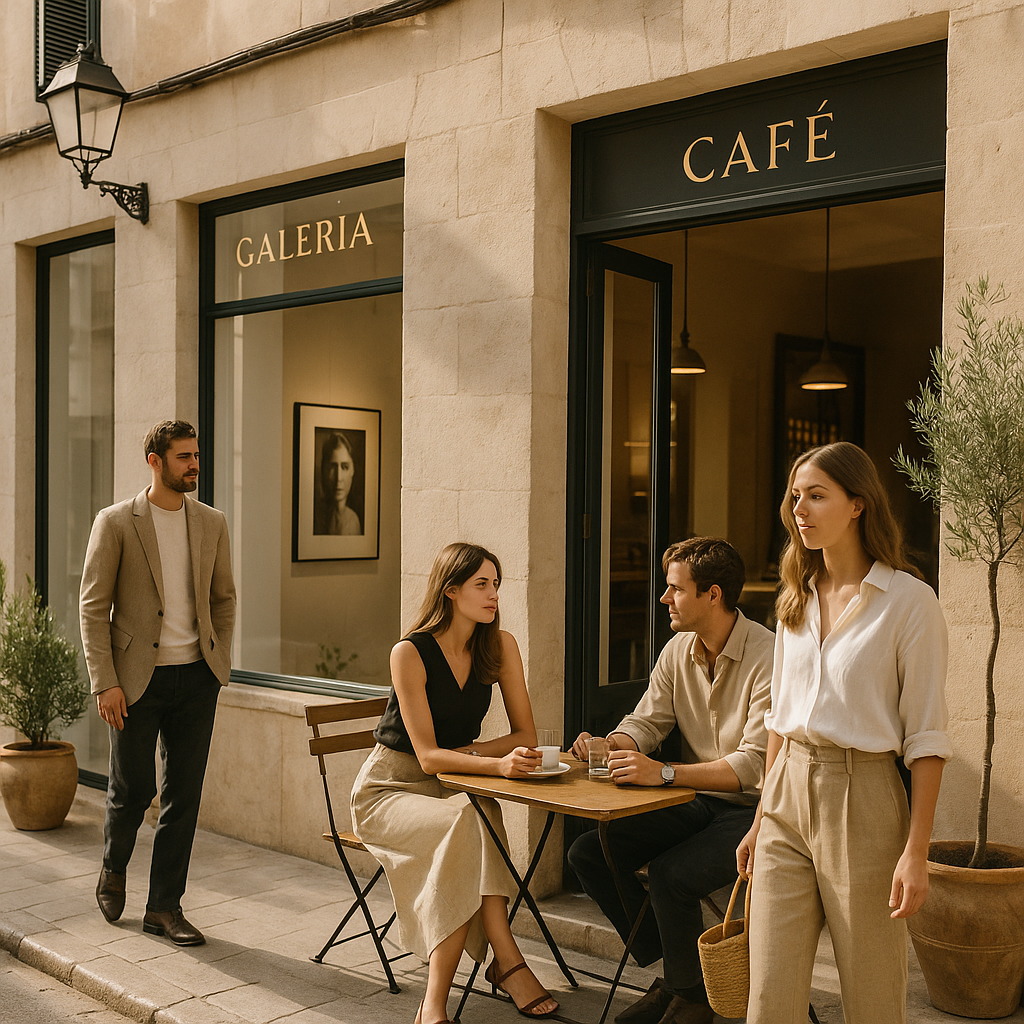
For art acquisition, the Old Town galleries concentrated around Carrer de Sant Feliu represent the most serious contemporary art market on the island. Several galleries operate year-round and maintain relationships with both Mallorcan artists and international names who maintain studios on the island. These are not tourist galleries selling prints.
Santa Catalina Market and Design Retail
Mercat de Santa Catalina functions simultaneously as a working food market for Palma residents and a destination for visitors who know what they are looking for. The fish, produce, charcuterie, and cheese vendors supply many of the island's best restaurants. Come here before 10 a.m. to see it operating at full intensity. The surrounding streets hold independent ceramics studios, concept stores selling Mallorcan textiles, and a handful of fashion boutiques that stock European designers not available elsewhere on the island.
Portixol's Seafront Dining
The seafront strip in Portixol from the marina to the swimming area at Portixol Beach offers a sequence of outdoor dining options that peak in quality right at the water's edge. The Hotel Portixol restaurant is the strongest single choice. For a more casual morning, the cafes along the promenade serve the kind of simple, excellent coffee and pastry experience that is harder to find in Old Town's more tourist-oriented establishments.
Pro tip: Ask your Maison Mallorca concierge to arrange a private fish-market tour in Portixol before lunch. The wholesale fish market adjacent to the fishing harbor receives its catch in the early morning and operates as a genuinely working commercial market. Access for private visitors requires an introduction, but the experience of watching Palma's restaurants source their daily seafood is worth the arrangement.
Son Vida's On-Property Dining and Spa
Guests based in Son Vida have access to the dining facilities within the Castillo Hotel Son Vida, which include a fine-dining restaurant with bay views and a more casual terrace restaurant suited to post-golf lunches. The spa at Sheraton Son Vida is among the largest on the island, with an outdoor pool complex and a treatment menu that covers most of what you would find at a dedicated resort in the Maldives or Caribbean. For guests who want Palma's city dining, the drive is under fifteen minutes with a driver, which Maison Mallorca arranges as standard for Son Vida-based clients.
Frequently Asked Questions
What is the best neighborhood in Palma Mallorca for a first visit?
For first-time visitors, Old Town (Casco Antiguo) is the right starting point. It places you within walking distance of Palma's most important cultural sites, the best luxury hotels in the city center, and the Passeig del Born shopping corridor. You can reach Santa Catalina and Portixol on foot or by a short taxi ride, so you lose nothing by being based in the center.
Are luxury hotels in Palma's Old Town worth the premium over resorts outside the city?
Yes, for travelers whose primary interest is culture, dining, and walking-accessible city life. The boutique palace hotels in Old Town offer a level of architectural intimacy and location that no resort property outside the center can replicate. If your priority is golf, pool space, or family facilities, then a Son Vida resort offers better value for what you are actually using. The premium for Old Town hotels is real, typically 20 to 40 percent above comparable star-rated resort properties, and it is justified by location quality alone.
How do I get a reservation at the best restaurants in Palma?
The Michelin-starred restaurants in Palma, including Marc Fosh and the restaurants within major hotel properties, book weeks to months in advance for summer dates. Walk-in availability at the best tables does not exist in July and August. The most reliable method is to use a concierge service with established relationships with the restaurants, which is exactly the function Maison Mallorca provides for its clients. A direct inquiry from a known concierge contact carries significantly more weight than an individual booking request through an online platform.
Is Santa Catalina safe and easy to navigate for American visitors?
Palma is consistently ranked among Spain's safest cities for visitors, and Santa Catalina presents no specific concerns. The neighborhood is compact, well-lit, and busy with local residents throughout the evening. American visitors sometimes expect the neighborhood to feel more polished than it does, since it retains genuine residential character alongside its dining and retail scene. That authenticity is a feature, not a deficiency. Navigate it on foot and allow time for unplanned discoveries.
What is the best time of year to stay in Palma's exclusive neighborhoods?
May and June represent the best balance of good weather, manageable crowds, and full restaurant and hotel availability. September and early October are nearly as good and often have better value on accommodation. July and August deliver the most intense social atmosphere and the warmest sea temperatures, but they also bring the highest prices, the most competition for reservations, and the fullest streets. Serious travelers who have flexibility consistently choose late spring or early autumn over peak summer.
Can I access exclusive experiences in Son Vida without staying there?
Yes. The golf courses in Son Vida accept non-resident bookings, and the spa facilities at both major hotel properties are accessible to day visitors, though advance booking is required and availability is limited in peak season. The fine-dining restaurants in Son Vida are open to non-hotel guests. A Palma-based concierge service can arrange all of these as day excursions from an Old Town or Portixol base, which is a practical option for guests who want Son Vida's specific experiences without committing to its location for their entire stay.
How does Maison Mallorca differ from booking Palma hotels and restaurants directly?
Maison Mallorca provides access that individual booking cannot replicate. This includes preferred availability at fully-booked luxury hotels, direct relationships with the maître d' at Palma's best restaurants, pre-arranged private cultural access to heritage sites, curated shopping appointments with independent boutiques, and 24/7 on-island support from a team that knows the specific character of each neighborhood. For travelers who value time and quality over cost optimization, the concierge model consistently outperforms self-planned itineraries in both experience quality and logistical smoothness.
If you have stayed in any of Palma's neighborhoods and discovered a restaurant, shop, or experience that surprised you, share it in the comments or reach out directly. The best Palma discoveries are almost always neighborhood-specific, and local knowledge travels best when it circulates.
We would love your feedback and any insights you would share with others. What perspective would you add?