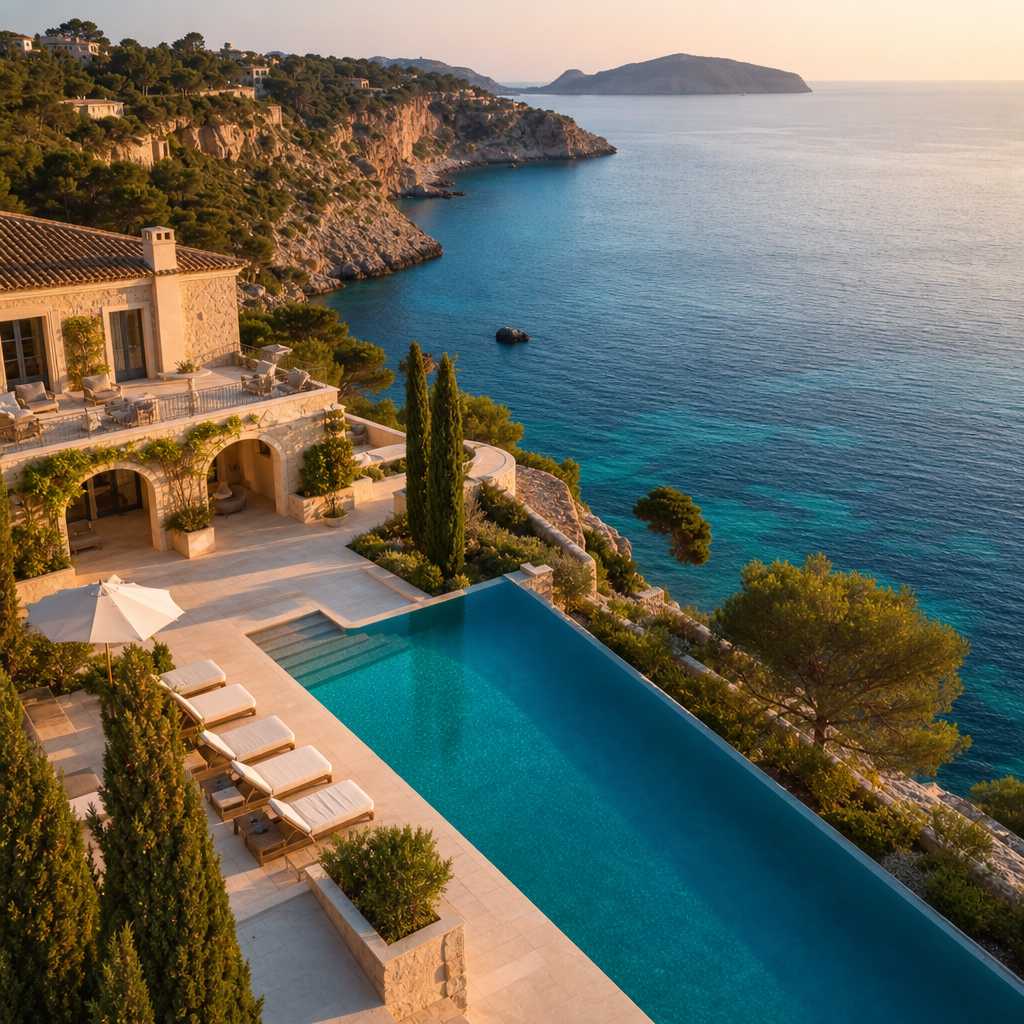
Discover the best time to visit Mallorca with a month-by-month luxury travel guide covering seasons, booking windows, and insider tips for discerning American travelers.
Best Time to Visit Mallorca: Month-by-Month Luxury Guide
Discover the best time to visit Mallorca with a month-by-month luxury travel guide covering seasons, booking windows, and insider tips for discerning American travelers.
Insider Guide
Most American travelers booking a Mallorca vacation ask the wrong question. They ask, "When is the weather best?" when the real question is, "When does Mallorca work best for the kind of trip I actually want?" The answer shifts dramatically depending on whether you prioritize private beach access, exclusive restaurant reservations, yacht availability, or sheer tranquility. The best time to visit Mallorca is not a single window on the calendar. It is a decision shaped by your travel style, your tolerance for crowds, and the specific luxury experiences you refuse to compromise on.
May and October are the strongest months for luxury travelers
Perfect temperatures, open venues, and far fewer crowds than July or August. Villa availability is also significantly better.
July and August require booking 9-12 months in advance
Premium villas, top-tier restaurants like Marc Fosh, and private yacht charters fill up almost a year ahead for peak summer weeks.
Luxury Mallorca summer is a different product than shoulder season
Summer delivers energy, open beach clubs, and full marina activity. Shoulder season delivers exclusivity and breathing room.
November through February is genuinely underrated
Winter Mallorca offers Michelin-starred dining without reservations, empty countryside roads, and discounted villa rates of 40-60% below peak.
Easter week (Semana Santa) is a hidden bottleneck
The island fills rapidly during Holy Week. European families dominate accommodation, and last-minute luxury options essentially disappear.
Weather is reliable from April through October
Mallorca averages over 300 days of sunshine per year according to Spain's national meteorological agency, AEMET. Rain risk is concentrated in November and February.
September is the single best month for yacht charters
The sea is at its warmest, summer charter crowds thin out, and captains are more flexible with custom itineraries along the northern coastline.
Mallorca Travel Seasons Overview
Mallorca operates on four distinct tourism rhythms, and understanding them as a luxury traveler is fundamentally different from understanding them as a budget backpacker. The island receives approximately 13 million visitors annually according to data from the Balearic Islands government, but that volume is not spread evenly. Roughly 60 percent of annual arrivals concentrate between June and August, which creates real operational consequences for high-end service delivery.
The four seasons, translated into practical luxury travel terms, break down as follows. Spring (April through May) offers warmth, wildflower-covered Tramuntana mountains, and a fully operational luxury infrastructure without the compression of summer demand. Summer (June through August) is the headline season, delivering the iconic Mallorca image but requiring significant advance planning and competitive pricing. Autumn (September through October) is the most underbooked and arguably most rewarding window for experienced travelers. Winter (November through March) is a genuine niche offering that suits a specific traveler profile extremely well.
Mallorca travel seasons do not behave the way generic travel guides describe them. Each month has a specific character, and making the right choice requires going beyond average temperature charts.
Month-by-Month Breakdown
This section covers what each month actually delivers for a traveler expecting world-class service, privacy, and curated experiences. These assessments are based on on-island operational experience, not travel magazine generalizations.
January and February
Temperatures range from 8 to 15 degrees Celsius (46 to 59 Fahrenheit). The almond blossom season, typically peaking in mid-February, transforms the interior countryside into something genuinely spectacular. The island is quiet in a way that feels like a privilege. Palma's restaurant scene is fully active, and tables at spots that require weeks of planning in summer are walkable in winter.
The practical downside is that many coastal restaurants and beach clubs close from November through March. Yacht charters are available but weather windows require flexibility. This month suits travelers who want cultural immersion, golf (Son Vida and Golf de Andratx both operate year-round), and spa-focused stays at properties like Park Hyatt Mallorca.
March
March marks the beginning of a transition. Daytime temperatures reach 16 to 18 degrees Celsius (61 to 64 Fahrenheit). Hiking in the Serra de Tramuntana is outstanding. The island feels awake but not crowded. A small number of beach clubs begin soft openings toward the end of the month.
April
April is the first month of genuinely reliable warmth, with temperatures averaging 18 to 20 degrees Celsius (64 to 68 Fahrenheit). The sea is still too cool for most swimmers (around 17 degrees Celsius), but outdoor dining, coastal drives, and day trips to Formentor are all fully pleasurable. Easter week creates a demand spike that most Americans do not anticipate. Booking a luxury villa for Holy Week without three to four months of advance planning is a mistake that repeatedly catches travelers off guard.
May
May is one of the two strongest months on the calendar for luxury travelers, alongside September and October. Temperatures reach 22 to 25 degrees Celsius (72 to 77 Fahrenheit). The sea warms to around 19 to 20 degrees Celsius, making swimming genuinely comfortable. Crowds have not yet arrived in meaningful numbers. The top villas are available but booking three to six months ahead is still recommended.
Restaurant availability is excellent. Private yacht charter captains are flexible. The Tramuntana is green. May delivers the full Mallorca experience with none of the summer operational strain.
June
June signals the beginning of luxury Mallorca summer in earnest. Temperatures climb to 27 to 30 degrees Celsius (81 to 86 Fahrenheit). Beach clubs like Oku Mallorca and Sa Punta de S'Aguait move into full season programming. The first two weeks of June still feel manageable. The final two weeks begin to approximate the intensity of July.
July and August
July and August are the most challenging months for a seamlessly curated experience, and they are also the most popular. The island operates at maximum capacity. Premium villa rental rates are at their annual peak. Temperatures reach 33 to 36 degrees Celsius (91 to 97 Fahrenheit) inland, though coastal properties benefit from sea breezes.
The key variable for luxury travelers is planning lead time. A Maison Mallorca client booking a July or August villa with yacht access, curated restaurant reservations at Adrián Quetglas or Es Fum, and private driver arrangements needs to begin that process nine to twelve months in advance. Attempting to replicate that itinerary with six weeks of lead time will produce a compromised version of the trip at the same price point.
That said, July and August in Mallorca deliver an atmosphere and energy that no other month can match. The marina in Puerto Portals buzzes with superyachts. The beach clubs are at their most theatrical. For travelers who want that specific experience and plan accordingly, these months justify the logistical effort.
September
September is the month that experienced Mallorca travelers almost universally cite as their favorite. Summer crowds begin retreating after the first week. The sea reaches its annual warmest temperature, typically 24 to 25 degrees Celsius (75 to 77 Fahrenheit). Temperatures drop from the August extreme to a comfortable 26 to 28 degrees Celsius (79 to 82 Fahrenheit). Most luxury infrastructure remains fully operational.
Yacht charter pricing softens slightly from August peaks. Restaurant reservations become obtainable without weeks of advance notice. Private wine experiences in the Binissalem region pair beautifully with the beginning of harvest season.
October
October is the second peak month for discerning travelers. Early October retains all the warmth of late summer. The island's luxury infrastructure begins winding down toward the end of the month, with some beach clubs closing after the second week. Temperatures average 21 to 24 degrees Celsius (70 to 75 Fahrenheit). Villa pricing is notably below summer peak rates while quality remains identical.
November and December
November brings the first real rain risk of the year. Some years deliver beautiful warm spells well into November. Others turn genuinely wet from the first week. This unpredictability makes November a moderate-risk choice, though the rewards for a good-weather November stay are significant. December is quiet, festive in Palma, and well-suited to travelers who prioritize culture and gastronomy over beach access.
Luxury Mallorca Summer: The Honest Assessment
The peak summer months carry a reputation that is both deserved and somewhat distorted by aspirational travel media. Here is the direct version. Luxury Mallorca summer delivers an unmatched atmosphere and complete experiential range, but it demands extensive advance planning and comes at a price premium of 40 to 80 percent above shoulder season rates across villas, charter boats, and private services.
"The travelers who have the best July and August experiences in Mallorca are invariably the ones who started planning in September of the prior year. The ones who start planning in April are buying what is left." - Maison Mallorca concierge team, based on client intake patterns across multiple seasons.
The common mistake is treating summer Mallorca as a bookable trip rather than a curated project. A private villa with direct sea access in the southwest corridor near Port Andratx, combined with a 50-foot sailing yacht on standby, chef-prepared lunches on deck, and guaranteed evening reservations at Zaranda or Es Molí d'en Bou requires a minimum of nine months of coordination for July or August dates.
Travelers who engage a concierge service specifically experienced with Mallorca's luxury market well in advance will consistently outperform those using generalist travel agents or attempting to self-book.
Pro tip: If July is non-negotiable for your trip, treat the villa selection and charter booking as your first two decisions, made simultaneously and ideally by October of the prior year. Everything else builds around those anchors.
Shoulder Season: The Smart Choice for Discerning Travelers
Shoulder season, defined here as May through mid-June and September through October, represents the period where the gap between price paid and experience quality is widest in Mallorca's favor. The data consistently shows that experienced luxury travelers with flexibility gravitate toward these windows once they have done one peak-summer trip.
In practice, the experience difference is meaningful. A private catamaran circumnavigation of the Cap de Formentor in September involves no competing boat traffic at your preferred anchorage. The same itinerary in August requires your captain to navigate a flotilla of charter vessels competing for the same coves. These are not equivalent experiences.
The Tramuntana UNESCO World Heritage hiking routes, including the GR-221 long-distance path through the Serra de Tramuntana, are physically uncomfortable in July and August heat. In May or October they are extraordinary. The olive groves, stone villages, and elevated coastal views at Mirador de Ses Barques belong to a completely different experiential category when walked in 22-degree weather rather than 35-degree summer heat.
For golf-focused travelers, Son Vida, Golf Santa Ponsa, and Golf de Andratx all operate year-round. Tee time availability is dramatically better from April through June and September through November compared to the compressed demand of July and August.
Pro tip: Shoulder season is also when Mallorca's genuine culinary culture is most accessible. Local chefs at Palma restaurants like Cuit and La Vieja are cooking for residents and passionate food travelers rather than processing tourist volume. The service quality difference is perceptible.
Winter in Mallorca: A Quiet Luxury Few Americans Consider
The honest argument for winter Mallorca is short: it rewards a specific type of traveler exceptionally well and is almost entirely ignored by the American market, which means the travelers who do choose it face zero competition for premium experiences.
Palma's old town is among the finest urban walking environments in the Mediterranean. The Cathedral of Santa Maria, the Almudaina Palace, the Fundació Pilar i Joan Miró, and the Arab Baths are all accessible without the physical press of summer tourism. Michelin-starred restaurants including Adrián Quetglas and Marc Fosh are open through winter and reservation availability is a fundamentally different conversation than in summer.
Villa rental rates in the January through March window run 40 to 60 percent below August peak pricing for equivalent properties. For travelers whose itinerary centers on architecture, gastronomy, art, and spa experiences rather than beach access, winter Mallorca is a sophisticated choice that delivers outsized value.
The almond blossom season in February specifically is a visually exceptional and deeply local experience that almost no American traveler encounters, simply because the marketing of Mallorca is so heavily oriented toward summer imagery. Driving through the interior municipalities of Santa Maria del Camí or Alaró during peak blossom week is a genuine discovery.
Season Comparison Table
The table below compares the three primary booking strategies for a luxury Mallorca trip. Each approach has a distinct profile. The right choice depends on your priorities, not on a universal ranking.
Booking Strategy
Best Months
Ideal Traveler Profile
Peak Summer Booking (9-12 months in advance)
July, August
Travelers who want maximum energy, full beach club and marina activity, and who treat advance planning as part of the luxury experience. Budget-flexible with no timing flexibility.
Shoulder Season Booking (3-5 months in advance)
May, June, September, October
Experienced luxury travelers prioritizing exclusivity, charter flexibility, outdoor activity, and strong value-to-experience ratios. Comfortable with slightly cooler evenings in May and October.
Winter Stay Booking (4-6 weeks in advance)
November, December, January, February, March
Gastronomy-focused, culturally driven travelers, golfers, and spa-retreat seekers. Comfortable with beach access being secondary. Seeking significant rate advantages and zero crowd pressure.
Booking Lead Times by Season
One of the most consistent errors among first-time Mallorca luxury travelers is underestimating how far in advance the high-quality inventory is secured. This is not a market that rewards spontaneity at the premium tier.
According to tourism data published by the Balearic Islands government, Mallorca accommodated over 13.8 million visitors in 2023, with the highest concentration in coastal municipalities including Calvia, Alcudia, and Andratx. The luxury villa and charter market in those areas represents a small fraction of total accommodation supply, which means demand-to-inventory ratios are extremely tight during peak months.
The practical implications are as follows. For July and August, a luxury villa with private pool, sea views, and access to reputable concierge services should be reserved by October or November of the preceding year. For September and October, a March through May booking window is generally adequate. For shoulder spring months in May and June, three to four months of lead time is sufficient for most properties. Winter months can often be arranged with four to eight weeks of lead time, though specific properties with existing demand from repeat clients may require longer.
The additional layer of complexity for the curated Mallorca experience, covering private chefs, yacht charters, restaurant reservations at specific Michelin-starred establishments, and exclusive cultural access, adds two to three months to the required planning window at every tier. A concierge service operating with established relationships across Mallorca's luxury ecosystem compresses that timeline because the access is pre-established rather than initiated from scratch for each client.
Frequently Asked Questions
What is the absolute best month to visit Mallorca for a luxury vacation?
September is the single strongest month for experienced luxury travelers when all variables are weighted together. The sea is at its warmest annual temperature of 24 to 25 degrees Celsius, summer crowds have thinned, luxury infrastructure is fully operational, and yacht charter rates and villa prices begin softening from August peaks. May is the second strongest choice, offering similar advantages on the front end of the season. If your primary goal is the full summer social scene and beach club energy, then July offers that experience but requires nine to twelve months of advance planning to execute well.
How far in advance should Americans book a luxury Mallorca villa for July or August?
Nine to twelve months in advance is the realistic minimum for a quality villa with private pool, sea views, and preferred location in areas like Port Andratx, Deià, or Cala Ratjada. The premium inventory at this tier is reserved by European repeat clients and managed by concierge services operating on retainer relationships. Attempting to book a comparable property with three or four months of lead time in peak summer will result in either significantly lower quality options or substantially inflated last-minute pricing from secondary listing platforms.
Is Mallorca worth visiting in winter for American travelers?
Yes, for a specific traveler profile it is genuinely excellent. Winter Mallorca is ideal for travelers focused on gastronomy, architecture, art, golf, and spa experiences. Palma operates fully year-round with its Michelin-starred restaurant scene, cultural institutions, and luxury hotel infrastructure. Villa rates run 40 to 60 percent below summer peak pricing. The almond blossom season in February is a visually exceptional and deeply local experience that is almost entirely absent from American travel awareness. The honest caveat is that beach club culture and swimming are not viable in winter, so travelers for whom those elements are central should choose a different window.
What are the biggest mistakes American travelers make when timing a Mallorca trip?
Three mistakes appear consistently. First, booking a July or August trip in spring and assuming good options will remain available. They will not at the luxury tier. Second, treating Mallorca's shoulder season as inferior to summer without understanding what it actually delivers in terms of privacy, flexibility, and experiential quality. Third, overlooking the logistical requirements of curated extras such as private yacht charters, Michelin-starred restaurant reservations, and private chef arrangements, all of which have their own booking timelines that extend beyond the villa reservation itself.
Does the Mallorca travel season affect yacht charter availability?
Significantly. July and August represent the peak charter demand period, and quality vessels from 40 to 80 feet are booked out months in advance by experienced charter clients. September offers the best combination of warmth, availability, and captain flexibility for custom itineraries. May and June are excellent alternatives with good availability and calm sea conditions. Winter charter activity is limited but not absent, and for a fully private, unhurried experience of the island's northern coastline, a November or March charter with a trusted captain can be outstanding.
How does Mallorca's Easter week affect luxury travel planning?
Semana Santa, or Holy Week, creates a demand spike that most American travelers fail to anticipate because their calendar awareness of European school holiday patterns is understandably limited. The island fills with Spanish and European families, and premium accommodation options close to Palma and the western coast book out weeks in advance. If your travel dates overlap with Holy Week, treat the booking urgency as equivalent to a peak summer week. Mallorca's Easter processions in Palma and interior villages like Sineu are culturally rich experiences in their own right, but the logistical pressure requires advance preparation.
Have you visited Mallorca during a specific month and found the experience dramatically different from what you expected? Share what surprised you most and help other travelers plan with more accurate expectations.