Sport & Active
Cycling in Mallorca: How to Ride the Island Like You Belong Here
Why the island has quietly become the most coveted road-cycling destination in Europe — and how to ride it like someone who belongs here.
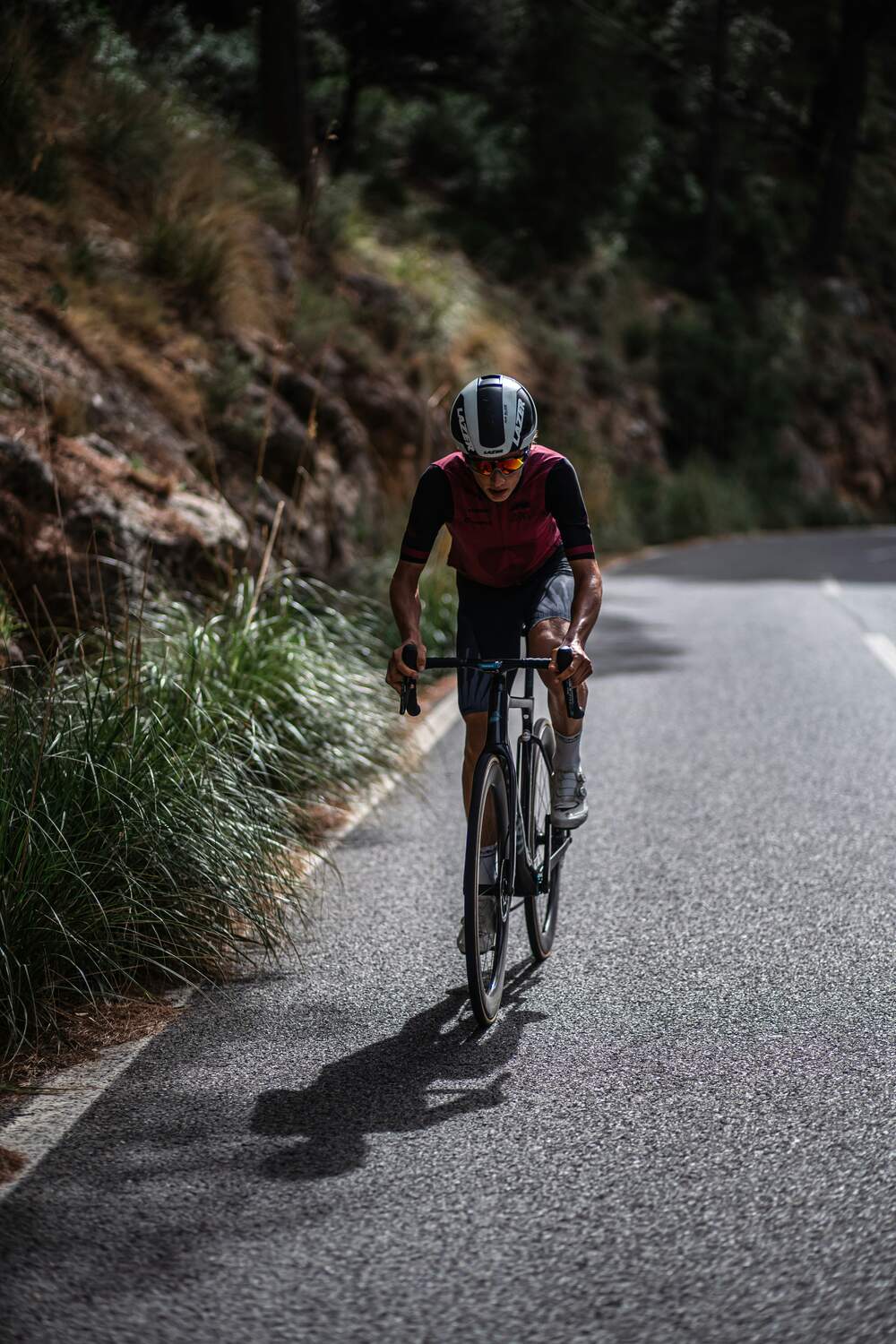
Why the island has quietly become the most coveted road-cycling destination in Europe — and how to ride it like someone who belongs here.
There is a reason professional teams decamp to Mallorca every winter, and it isn't the postcard scenery. It's that almost nowhere else in Europe offers this particular combination: empty, beautifully surfaced mountain roads, a climate that cooperates when the rest of the continent is frozen, and a road network that lets a rider string together a 40-kilometre spin or a punishing all-day epic from the same hotel door. The island draws something on the order of 150,000 cycling visitors a year — a quietly enormous niche worth an estimated €150 million — and yet, ridden well, it can still feel like a private discovery.
That gap, between how popular Mallorca is and how exclusive it can be made to feel, is precisely where a knowledgeable trip earns its keep. The roads are open to everyone. Knowing which ones to ride, when, and from where is another matter entirely.
The case for Mallorca is almost embarrassingly strong. The island banks around 300 days of sunshine, which makes autumn, winter and spring genuinely rideable when northern Europe is not. The Serra de Tramuntana along the west coast delivers quiet mountain roads with little traffic and the kind of switchback climbs that serious cyclists travel a long way for. And crucially, the terrain is democratic: the same island that humbles professionals on its high cols offers flat, forgiving coastal routes for those riding for pleasure rather than punishment.
Around all of it sits an infrastructure built specifically for cyclists — bike shops, specialist guides, cycling-literate hotels — and good direct flights from most of northern Europe for much of the year. The island has also been steadily adding well-surfaced, signposted dedicated cycling paths, including several protected routes that keep riders off the busier roads entirely.
The riding happens year-round, but the seasons matter more than visitors expect. February to May is the heart of it — the period when the pros are here, the weather turns kind, and the island feels purpose-built for the bike. April is the peak, anchored by the Mallorca 312, the mass-participation event that has grown from a few hundred riders on a single 312-kilometre lap of the island into one of the largest sporting occasions on the Balearic calendar, drawing thousands. If your trip overlaps it, expect the roads — and the good hotels — to fill accordingly.
September and October are the quieter secret: warm, settled, and markedly less crowded than spring. For a traveller who values having the climbs to themselves, the shoulder of autumn is often the more elegant choice.
Two areas function as the island's cycling capitals. Alcúdia in the north and the Playa de Palma area near the airport in the south are both densely served by bike-friendly hotels, rental shops and guides — convenient, well-supplied, and built for the sport.
But convenience and quality are not the same thing, and this is where we tend to steer clients differently. The genuinely memorable riding is on the west coast, the long sweep from Andratx north through the Tramuntana to Cap de Formentor at the island's tip. It is the most scenic stretch and the one experienced riders covet — and basing a trip to take proper advantage of it, rather than commuting to it from a generic resort, is the difference between a good cycling holiday and an exceptional one. Beyond the headline routes, the island is laced with quiet country roads that reward the curious — some climbing to hilltop monasteries and old castles, the kind of ride that ends with a view most visitors never earn.
Mallorca's cycling scene has grown sophisticated enough to support its own retail culture. The high-end British brand Rapha opened a Palma clubhouse in 2017 and has thrived there — emblematic of how the island now caters to riders who care as much about the experience and the aesthetic as the kilometres. Beyond it, shops across the island sell and rent every category of bike, from road and touring to e-bikes, though most specialise in a handful of brands, so matching the shop to the rider is worth doing in advance rather than on arrival.
This is where the options fan out, and where the right choice depends entirely on the traveller. At one end sits the chance to ride with cycling royalty — Mallorca's specialist operators have, over the years, fielded world-class ex-professionals as hosts, the sort of names a serious enthusiast would recognise instantly. At the other, a self-guided holiday lets a couple or a small group ride at their own pace, with luggage moved discreetly from one hotel to the next so the only thing to carry is the day's effort. In between are the structured camps, where guides assess each rider's level, sort them into appropriate groups, and a ride captain leads the route.
The point is that a cycling trip to Mallorca can mean a dozen very different weeks, and the best version is rarely the one booked off a package page. It's the one shaped around exactly who is riding, how hard they want to work, and what they want waiting for them at the end of each day.
Mallorca rewards the cyclist who arrives with the right roads already chosen and the right base already booked. Whether the brief is climbing with a former professional or a gentle self-guided week with the bags handled, we build the trip around the rider — and we know which roads are worth the legs.
Tell us your dates, your group and what you'd like the island to feel like. We arrange the villa, the tables, the boats and the days in between.
Start Your Inquiry →