Plan the ultimate cycling Mallorca experience. Expert routes for serious riders and beginners, luxury logistics, and insider timing advice from Maison Mallorca.
Cycling Mallorca: The Luxury Guide for Every Rider
Plan the ultimate cycling Mallorca experience. Expert routes for serious riders and beginners, luxury logistics, and insider timing advice from Maison Mallorca.
Insider Guide
Mallorca attracts over 100,000 cyclists every year, and that number keeps climbing because the island genuinely earns the reputation. The roads are smooth, the climbs are world-class, the weather window runs from February through November, and the infrastructure surrounding the sport has matured to a point where cycling Mallorca is no longer a niche pursuit but a full pillar of the island's luxury travel identity. What most guides miss, however, is how dramatically the experience differs between a rider who arrives with the right logistics in place and one who improvises. This guide covers both the routes and the refined experience that serious riders and curious beginners deserve.
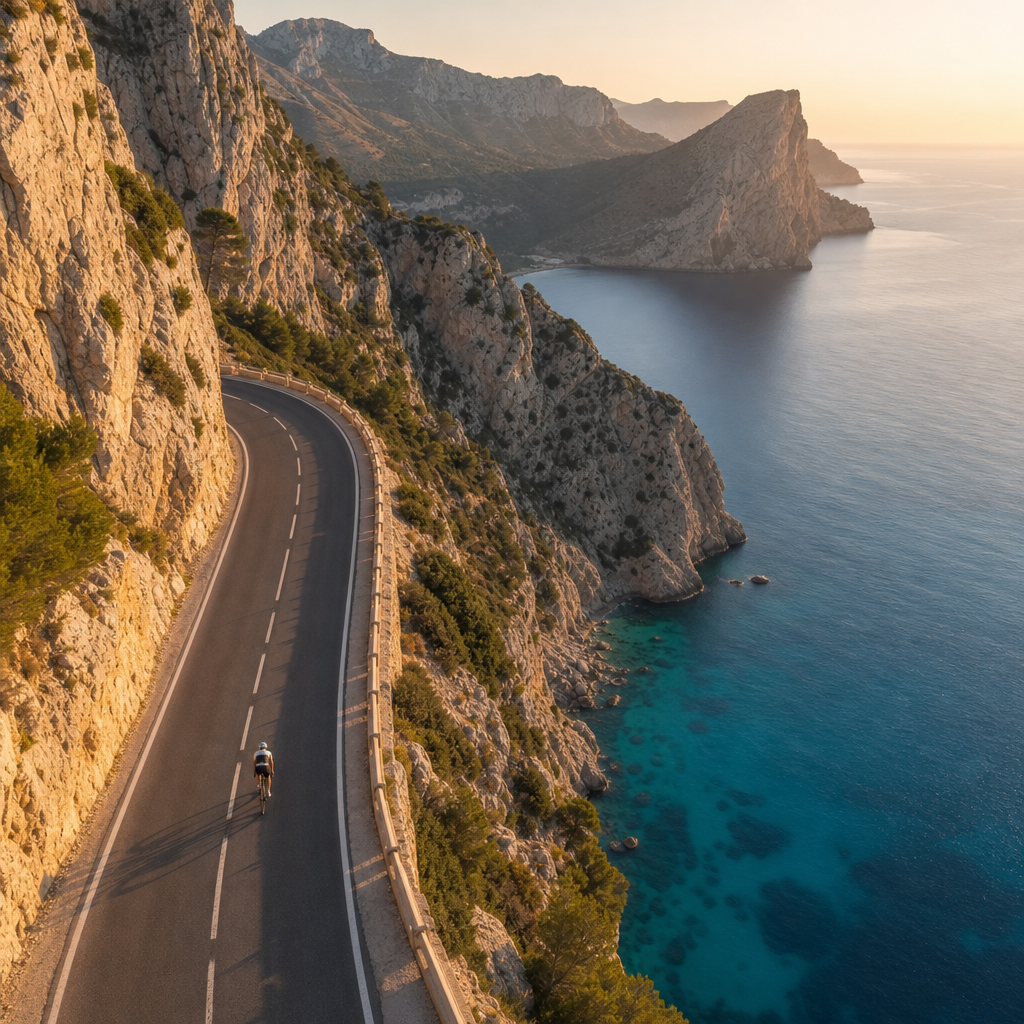
The 9.5 km climb with 28 hairpin bends is the benchmark descent and ascent on the island. Plan it early in the week, not as an afterthought.
February through April is peak professional season
Most UCI WorldTour teams run pre-season training camps in Mallorca during this window. Roads are crowded with elite riders but infrastructure is at its best.
Beginners belong in the Playa de Palma coastal corridor
The flat 30 km stretch along the bay is purpose-built for cyclists with no real climbing, good road surfaces, and multiple stop points.
Bike rental quality varies dramatically
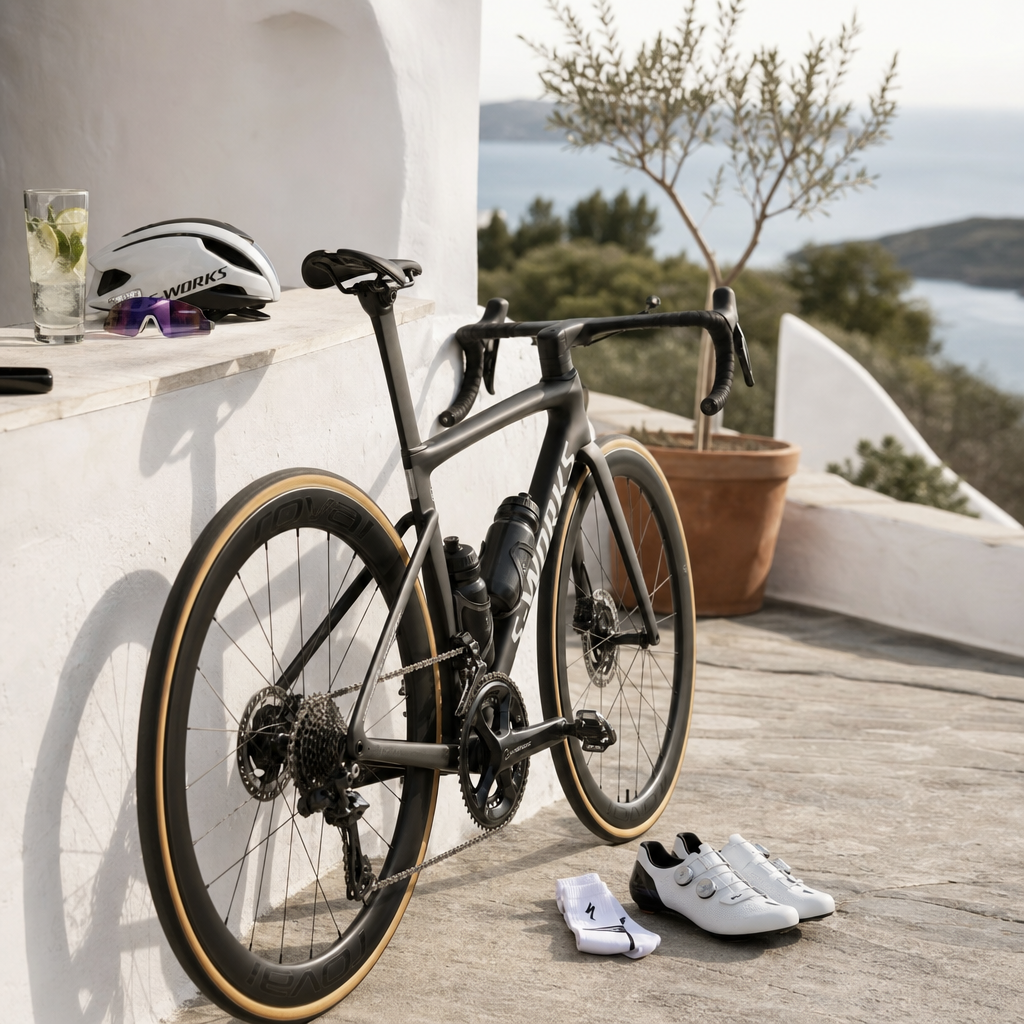
A premium rental from a specialist shop in Palma or Santa Ponsa delivers a properly fitted carbon road bike. Generic hotel bikes are not comparable.
A support vehicle changes the entire experience
For groups riding the Tramuntana routes, a private driver with a vehicle carrying luggage, spare kits, and nutrition eliminates the risk of a ruined day.
Restaurant reservations matter more after a long ride than before
Arriving in Soller or Valldemossa post-ride without a reservation during summer means waiting. Pre-booking is the difference between recovery and frustration.
Riding clockwise from Palma toward Andratx and up through the Serra de Tramuntana keeps the most technical descents in better morning light and cooler temperatures.
Why Mallorca Is the World's Premier Cycling Destination
The case for Mallorca as a cycling destination is not built on marketing. It is built on geology, infrastructure, and 30 years of professional teams choosing the island above all other options in Europe. The Serra de Tramuntana, a UNESCO World Heritage mountain range that runs 90 km along the northwest coast, gives riders dramatic elevation changes within short distances. You can gain 1,200 meters of climbing in under 15 km and descend back to sea level before lunch.
In practice, the road quality on the primary cycling corridors is exceptional. The Ma-10, the spine road through the Tramuntana, is resurfaced with regularity specifically because cycling tourism has become economically significant to the island. This is not accidental. The Balearic Islands government has made deliberate investment in cycling infrastructure, and it shows in the lane markings, signage, and the near-universal driver awareness of cyclists on these roads.
According to data from the Mallorca Tourism Board, cycling-related tourism contributes an estimated 400 million euros annually to the island's economy. That financial weight means the island treats serious cyclists as a premium segment, not an afterthought.
"Mallorca has everything a cyclist needs within 30 minutes of the hotel front door. That density of terrain is what no other Mediterranean island has been able to replicate." - Chris Froome, four-time Tour de France winner, speaking about his pre-season training on the island.
Best Cycling Routes in Mallorca
The island has hundreds of mapped cycling routes, but a handful consistently define the experience for riders at every level. Understanding which routes suit which rider matters more than simply listing them all.
Sa Calobra: The Island's Signature Climb
The approach to Sa Calobra from Coll dels Reis involves 9.5 km of descending through 28 hairpin turns before riders face a turnaround and ascent back up the same road. The gradient averages around 7.5%, with sections pushing above 10%. No other road in Mallorca generates the same combination of technical challenge and visual drama. Professional teams including Team Sky (now Team Ineos) have used this climb as a benchmark effort during their February training camps for over a decade.
A common mistake is treating Sa Calobra as an afternoon ride. The descent gets traffic from tourist coaches after 10am, and the climb back in midday heat is significantly harder than the same effort in cool morning air. Start no later than 8am from Soller.
The Tramuntana Grand Tour: Palma to Pollensa
This 170 km route from Palma through Andratx, up through the Tramuntana to Port de Pollensa, represents the full island experience in a single long day or a comfortable two-day itinerary. Total elevation gain sits around 3,500 meters. It is not a route for beginners, but for experienced riders it is the most complete expression of what Mallorca cycling routes offer at their best.
Coll de Femenia and the Northern Loops
Less famous than Sa Calobra but arguably more rewarding for experienced riders who want solitude, the Coll de Femenia climb near Inca peaks at 611 meters with long, sustained gradients and almost no tourist traffic. It connects naturally into loops through Campanet and Selva that add another 50 to 80 km depending on the return route chosen.
The Playa de Palma Coastal Flat
The 30 km coastal corridor between Palma and S'Arenal is purpose-built for beginners and recovery days. The road is almost entirely flat, well-surfaced, and lined with cafes. For guests staying in Palma, this is the ideal first-morning introduction to cycling on the island before committing to anything more demanding.
Luxury Cycling Trip Mallorca: What It Actually Means
A luxury cycling trip Mallorca is not simply staying in a five-star hotel and renting a bike. The riders who get the most from this experience are those who have every logistical variable managed before they clip in on day one. That means bike fitting done before departure, routes pre-scouted and adjusted for the group's actual ability level, nutrition arranged at checkpoints, and a support vehicle on standby for anything from a mechanical failure to a rider who hits the wall on a long climb.
At Maison Mallorca, this is the level of service that differentiates a genuinely curated cycling experience from what a generalist travel agency provides. Coordinating with the best bike rental specialists in Palma, securing post-ride restaurant reservations in Soller or Valldemossa, arranging sports massage at the villa after a hard day in the mountains, and building a week-long itinerary that balances hard riding days with recovery activities. These are not add-ons. They are the architecture of an experience that serious cyclists remember.
The Tramuntana region also offers some of Mallorca's most exceptional accommodation. Finca properties with pool access, private chef services, and the kind of quiet that genuinely aids recovery are available through a concierge service that understands both cycling logistics and the hospitality standards that high-net-worth travelers expect.
Pro tip: Book your post-ride sports massage at the villa in advance for every evening, not just one night. The cumulative fatigue from consecutive days on Tramuntana climbs makes daily soft-tissue work the difference between finishing a week-long itinerary strong and limping through the final two days.
Mallorca Cycling for Beginners
Mallorca is not exclusively for Category 1 riders with power meters. The island is genuinely accessible for beginners, and the infrastructure in the flatter central plains and coastal corridors supports a satisfying two-wheel experience without any requirement for serious fitness.
Starting Points That Work
The Playa de Palma corridor is the obvious starting point. For beginners who want a taste of the interior without committing to mountain climbing, the roads around Inca, Sineu, and the central plain offer rolling terrain with minimal traffic and beautiful views of the almond and olive groves that define the island's agricultural interior.
E-Bike Options
Electric assist bikes have transformed what is possible for riders who want to experience Tramuntana scenery without the fitness requirement of unassisted climbing. Several premium rental operators in Palma and Soller now stock high-quality e-road bikes. In practice, an e-bike rider can complete the Soller to Sa Calobra loop that would otherwise require a Category 3 fitness level. The experience of the road and landscape is identical. The suffering is optional.
A common mistake among beginner groups is underestimating even the gentle climbs in the central plain when combined with heat. Riding between 10am and 3pm in July and August on any route, flat or otherwise, is not advisable. Early morning starts and afternoon recovery are the correct rhythm regardless of fitness level.
Gear, Bikes, and Support Logistics
The equipment question matters more in Mallorca than in most cycling destinations because the climbs are long enough that an improperly fitted bike becomes a genuine physical problem by hour three. Knee pain and saddle discomfort on a five-hour Tramuntana ride are entirely preventable with a proper fit session.
What to Rent Versus Bring
High-end carbon road bikes from premium Mallorcan rental specialists, particularly those that work with UCI teams during training camps, are legitimately comparable to what riders own at home. Brands like Pinarello, Specialized, and Trek in current-generation builds are available. Bringing your own bike makes sense only if you have a very specific fit that cannot be replicated, or if you race at a level where the bike itself is a competitive variable.
Cycling shoes, helmet, and kit should always travel with you. These are personal-fit items that no rental shop can substitute adequately.
Support Vehicle Logistics
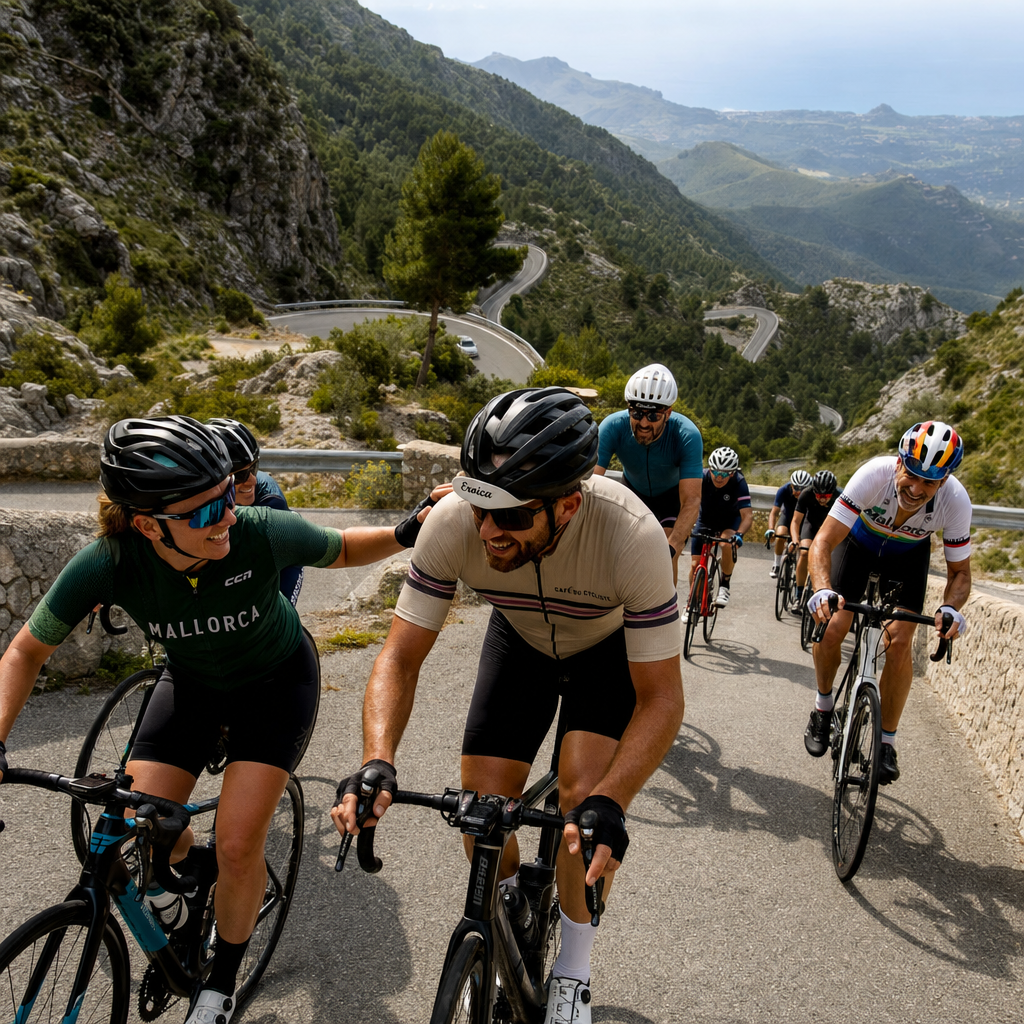
For groups of four or more riders doing multi-day Tramuntana routes, a private support vehicle is not a luxury. It is a risk management decision. The roads through the Serra de Tramuntana have limited mobile coverage in sections, mechanical failures on long descents require a vehicle to extract both bike and rider safely, and having cold water, nutrition, and a change of clothes available at the top of Sa Calobra or Puig Major changes the character of the entire day.
Maison Mallorca coordinates this level of support as part of a curated cycling itinerary, including the selection of drivers who are themselves cyclists and understand pacing, route timing, and what a rider actually needs at kilometre 90 of a hard day.
Pro tip: When renting a premium carbon bike in Mallorca, request a test ride of at least 20 minutes and bring your personal saddle if you have a strong preference. Most high-end rental shops in Palma will fit your saddle to their rental frame without additional charge, and it eliminates the single most common source of discomfort on long rides.
Comparing Approaches to Cycling in Mallorca
Approach
Best For
Key Limitations
Self-Planned Cycling Holiday
Experienced solo riders or couples who know Mallorcan roads, have their own bikes, and are comfortable navigating without support
No contingency for mechanicals, no local knowledge for restaurant timing, route planning consumes significant pre-trip time, no support on remote Tramuntana segments
Guided Group Cycling Tour
Beginners who want structured daily routes, social riders, and those who prefer a fixed itinerary with a guide leading the group
Fixed pace dictated by group average, limited flexibility for side routes, accommodation and dining chosen for group logistics rather than quality, no personalization
Serious riders and beginners alike who want routes calibrated to their actual ability, support logistics fully managed, premium accommodation and post-ride dining reserved, and complete flexibility to adjust the plan daily
Higher investment than self-planning, requires briefing the concierge on fitness levels and preferences in advance to get full value from the personalization
When to Go Cycling in Mallorca
The cycling season in Mallorca runs from February through November, but the experience varies significantly across that window. Getting the timing right is the kind of specific knowledge that separates a good trip from a great one.
February to April: The Professional Season
This is when UCI WorldTour teams arrive. Team Ineos, UAE Team Emirates, Jumbo-Visma (now Visma-Lease a Bike), and others use Mallorca as their pre-season conditioning base. The roads are busy with elite riders, the rental shops are fully stocked, and the cycling cafes around Palma and Santa Ponsa are operating at full capacity. Temperatures range from 12 to 18 degrees Celsius, which is ideal for hard efforts. The downside is that accommodation books out early, and popular routes like Sa Calobra see more traffic than at any other time of year.
May and June: The Sweet Spot
In practice, May and June offer the best balance of conditions for most riders. Temperatures are warm but not yet prohibitive, the professional teams have departed, and the summer tourist crowds have not yet arrived in force. The roads through the Tramuntana are quieter, the light in the early mornings is exceptional, and restaurant availability in Soller and Valldemossa is still manageable without weeks of advance notice. For American travelers planning a first cycling trip to Mallorca, May is the month to target.
September and October: The Autumn Rider's Window
After the peak summer crowds recede, Mallorca returns to a near-perfect cycling environment. Temperatures drop back into the 20 to 25 degree Celsius range, the light has a different quality that experienced riders consistently describe as the island's most photogenic period, and the roads are quieter than at any point since early spring. October specifically is underrated and deserves more attention from American travelers who can travel outside school holiday windows.
July and August: High Risk, High Reward
Summer is possible but demands strict adherence to early morning riding. Start times of 6 to 7am are not aggressive for this period. They are necessary. Temperatures on exposed Tramuntana road surfaces can exceed 45 degrees Celsius in direct afternoon sun, and heat-related problems on remote mountain roads are a genuine safety consideration. For riders committed to a summer trip, Maison Mallorca builds itineraries around this constraint from the start rather than treating it as a footnote.
Frequently Asked Questions
What is the best time of year for cycling in Mallorca?
May and June offer the best overall conditions for most riders. Temperatures are comfortable for sustained efforts, the professional training camp crowds have left, and summer tourist traffic has not yet peaked. September and October are an excellent alternative for riders with flexible schedules, offering quieter roads and exceptional light conditions for the Tramuntana routes.
Do I need to be a serious cyclist to enjoy cycling in Mallorca?
No. The flat coastal corridors and central plain routes are genuinely accessible to beginners and casual riders. E-bike options have also expanded access to mountain terrain that would otherwise require significant fitness. The key is matching the route to the rider's actual ability rather than attempting the Tramuntana climbs without preparation.
Is it worth hiring a support vehicle for cycling in the Tramuntana?
For groups of four or more riders doing multi-day mountain routes, a support vehicle is a practical necessity rather than an indulgence. The combination of limited mobile coverage, mechanical risk on long descents, and the logistics of carrying nutrition, luggage, and spare kit makes a dedicated support vehicle the correct decision for any serious itinerary through the Serra de Tramuntana.
Which Mallorca cycling routes are best for first-time visitors?
First-time visitors with moderate fitness should start with the Soller Valley loop from Palma, which offers a taste of the Tramuntana foothills without committing to Sa Calobra. For beginners, the Playa de Palma coastal flat and the central plain roads around Inca and Sineu provide a rewarding experience without significant climbing demands.
Can Maison Mallorca arrange a complete luxury cycling itinerary including accommodation and dining?
Yes. Maison Mallorca builds fully integrated cycling itineraries that cover premium bike rental coordination, route planning calibrated to the group's fitness, private support vehicle arrangement, villa or finca accommodation selection, post-ride restaurant reservations in Soller and Valldemossa, and daily sports massage at the property. The itinerary is built around the riders' specific goals, not a fixed template. Contact Maison Mallorca through the website to discuss a bespoke cycling week.
How far in advance should I book a cycling trip to Mallorca?
For travel in February through April and July through August, book at least four to six months in advance. Premium villa accommodation near the Tramuntana and top-tier bike rental inventory from specialist shops both book out early during these peak windows. For May, June, September, and October, three months is typically sufficient, though earlier booking always provides better accommodation selection.
Are the roads in the Serra de Tramuntana safe for cyclists?
The primary cycling roads through the Tramuntana, particularly the Ma-10, are among the best-maintained cycling roads in Europe. Driver awareness of cyclists is high by European standards. The primary safety considerations are tourist coach traffic on the Sa Calobra descent after 10am, afternoon heat in summer, and sections of remote road with limited mobile signal. Starting early and carrying a basic mechanical kit addresses the majority of risk factors.
If you have ridden in Mallorca or are planning your first cycling trip to the island, share your questions or experience in the comments. The specifics of what worked and what did not are always more useful than general advice.
We would love your feedback and any insights you would share with others. What perspective would you add?