Discover the best hidden beaches Mallorca has to offer. Expert guide to secret coves, private yacht access, seasonal timing, and luxury beach experiences.
Hidden Beaches Mallorca: Find Secret Coves Like a Local
Discover the best hidden beaches Mallorca has to offer. Expert guide to secret coves, private yacht access, seasonal timing, and luxury beach experiences.
Insider Guide
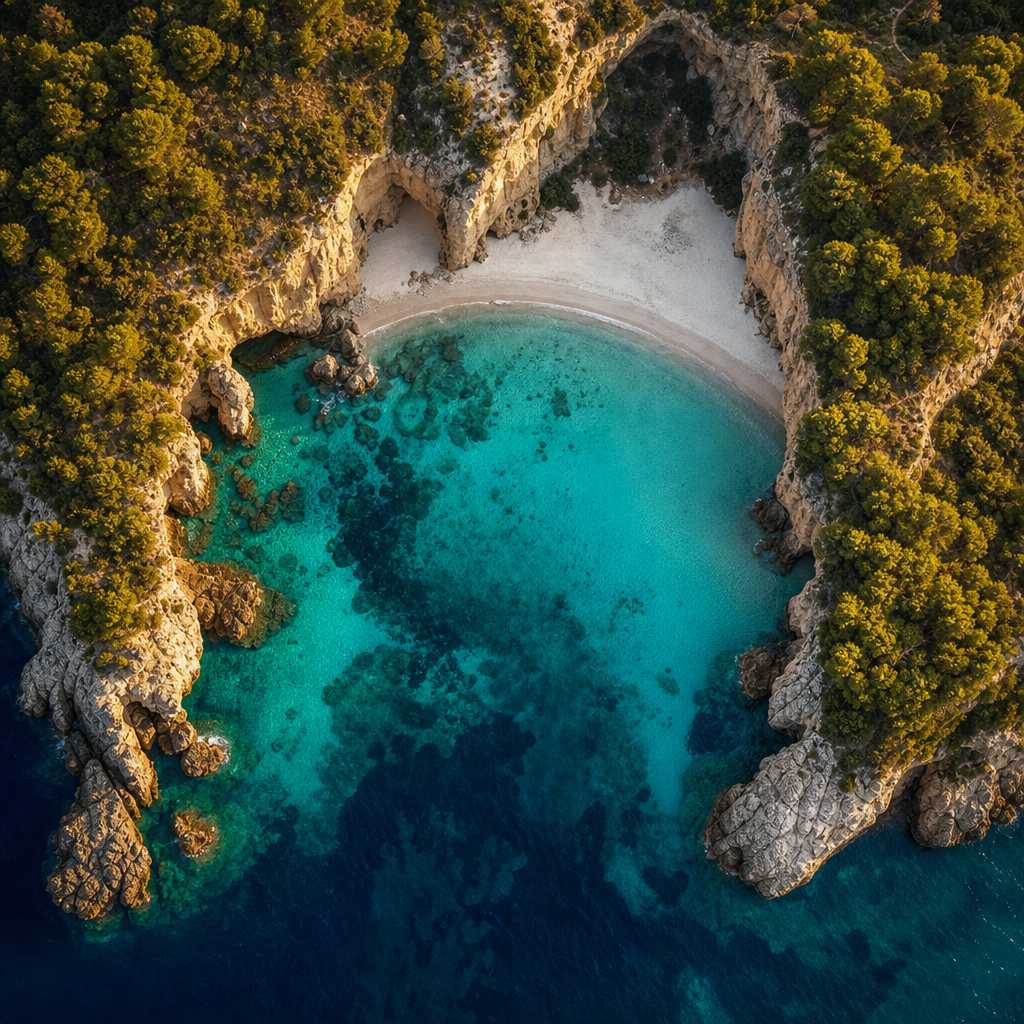
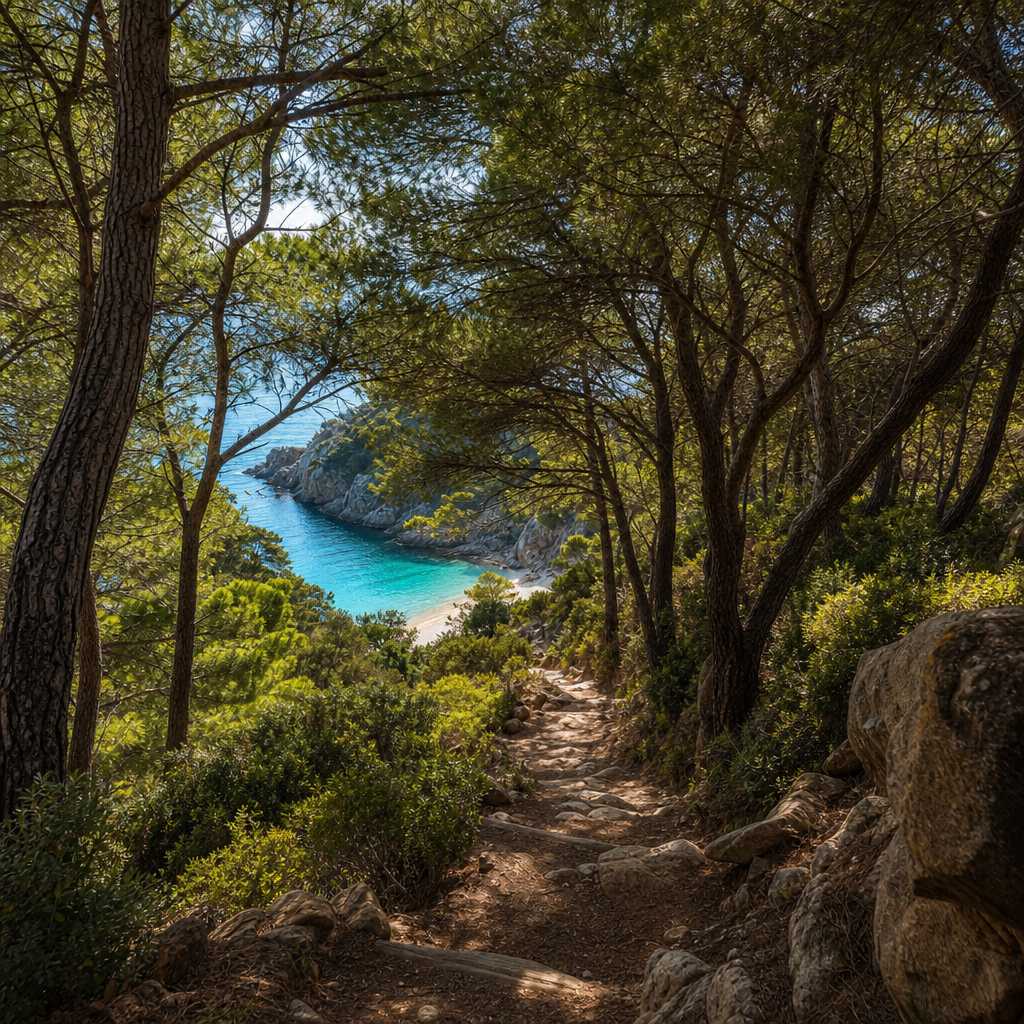
Mallorca has over 200 beaches, but the ones that matter most to discerning travelers are not on any mass-market travel site. The hidden beaches of Mallorca sit tucked behind limestone cliffs, accessible only by boat or a twenty-minute hike through pine forest, and they reward the effort with crystalline water and genuine solitude. The problem is that finding them without local knowledge is mostly guesswork, and guesswork wastes your limited vacation days. This guide tells you exactly where to look, how to get there, and what separates a truly private cove from a beach that just feels hidden until July.
More than 60% of Mallorca's truly secluded coves have no road or trail access. A private yacht charter is the only reliable way to reach them.
The Serra de Tramuntana is the richest zone
This UNESCO World Heritage mountain range on Mallorca's northwest coast contains the highest concentration of unmarked, uncrowded coves on the island.
"Secret" is seasonal, not permanent
Coves that offer complete privacy in May and October can see 50 to 80 visitors per day in August. Timing is everything.
Local knowledge has a specific geography
Mallorcan fishermen and sailors know coves that do not appear on any commercial map. That knowledge is not available online, it is relational.
Parking at trailheads fills by 9am in summer
For hike-access coves, arriving after 9am in June through September means you will not find parking within 2 kilometers of the trailhead.
Water color is a quality indicator
Coves with a turquoise-to-deep-blue gradient indicate rocky, sandy bottoms with minimal runoff. Flat green or murky blue often signals algae or proximity to marina discharge.
Concierge logistics eliminate the variables
Arranging boat, crew, snorkeling gear, catered lunch, and return timing independently takes 4 to 6 hours of planning. A specialist concierge handles it in one call.
Why Most Hidden Beaches Stay Hidden
The short answer is access. Mallorca's coastline is deeply irregular, broken up by cliffs that reach 300 meters in places along the Tramuntana coast. Roads on the island were built inland for agricultural reasons, not coastal access, which means large sections of shoreline have never had a path cut to them.
The longer answer involves Mallorcan culture. Locals who know these places do not broadcast them. A fisherman in Port de Sóller knows three coves between his village and Sa Calobra that appear on no tourist map. He reaches them by small boat, has done so for decades, and has no reason to tell anyone.
A common mistake American travelers make is assuming that a Google search for "hidden beaches Mallorca" produces genuinely hidden results. It does not. The beaches that rank in those searches are the ones that have been written about enough times to accumulate links. By definition, they are no longer hidden. The truly private coves circulate through a different network: local captains, longtime residents, and the kind of specialist concierge who has spent years building those relationships on the ground.
The Best Secret Coves in Mallorca
The following coves are specific, real, and genuinely less visited than the beaches that dominate travel content. Some require boat access, some require a hike. All of them are worth the effort.
Cala Estreta, near Artà
Cala Estreta sits on the northeast coast inside the protected Llevant Peninsula. It requires a 40-minute hike through scrubland from the nearest parking area, which keeps casual visitors away. The water is extraordinarily clear due to the rocky bottom and absence of nearby marinas. This is a no-service beach, which means you bring everything you need, but the payoff is a cove that holds no more than 15 to 20 people even on a busy summer day.
Cala Murta, Formentor Peninsula
The Formentor Peninsula is famous, but Cala Murta is not. It sits on the south-facing side of the peninsula, surrounded by pine forest, and is accessible only by boat or a steep unmarked path from the road. The cove is small, with a pebble and sand floor, and the water graduates from pale green to deep cobalt within 20 meters of the shore. Most Formentor tourists crowd onto Playa de Formentor. Cala Murta sits empty 300 meters away.
Sa Font Salada, between Deià and Sóller
This is one of the few coastal spots in the Serra de Tramuntana accessible without a boat, but it requires a 35-minute descent on a rocky path. The reward is a cove with natural freshwater springs feeding into the sea, which creates a thermal layering effect in the water that is unlike anything found at conventional beaches. In practice, this cove sees almost no visitors before 11am even in July, because the hike deters most rental car tourists.
Cala en Gossalba, Cap de Formentor area
Cala en Gossalba is boat-only. There is no trail. It is a deep, narrow inlet with overhanging pines touching the water, and the swimming is exceptional because the depth changes rapidly, giving snorkelers immediate access to rock formations and marine life. This cove does not appear in major travel publications. It circulates among charter captains and is routinely listed as one of the most beautiful anchorages on the island by sailors who know the north coast.
Caló des Moro, Santanyí
Technically, Caló des Moro has been discovered. It appears on Instagram regularly. But the context matters: it is only photogenic, and genuinely uncrowded, before 8:30am or after 6pm. The midday crowd is real. Arrive at 8am, spend two hours, and leave before the tour groups arrive from Palma. The water quality at this cove is among the best on the island, rated consistently high by the Balearic Islands Government water quality monitoring program.
"The coast of Mallorca holds more than 200 identifiable beaches and coves. The vast majority of visitors concentrate on fewer than 20 of them. The rest exist in a state of practical invisibility that has nothing to do with quality and everything to do with logistics." - Dr. Miquel Àngel March, Director of the Mallorca Environmental Foundation, in a 2022 sustainability report on Balearic coastal access.
How to Access Hidden Beaches in Mallorca
Access falls into three categories: by boat, by foot, or by a combination of both. Each has real tradeoffs that depend on your group size, fitness level, and how much time you want to spend getting there versus being there.
Private Yacht Charter: The Gold Standard
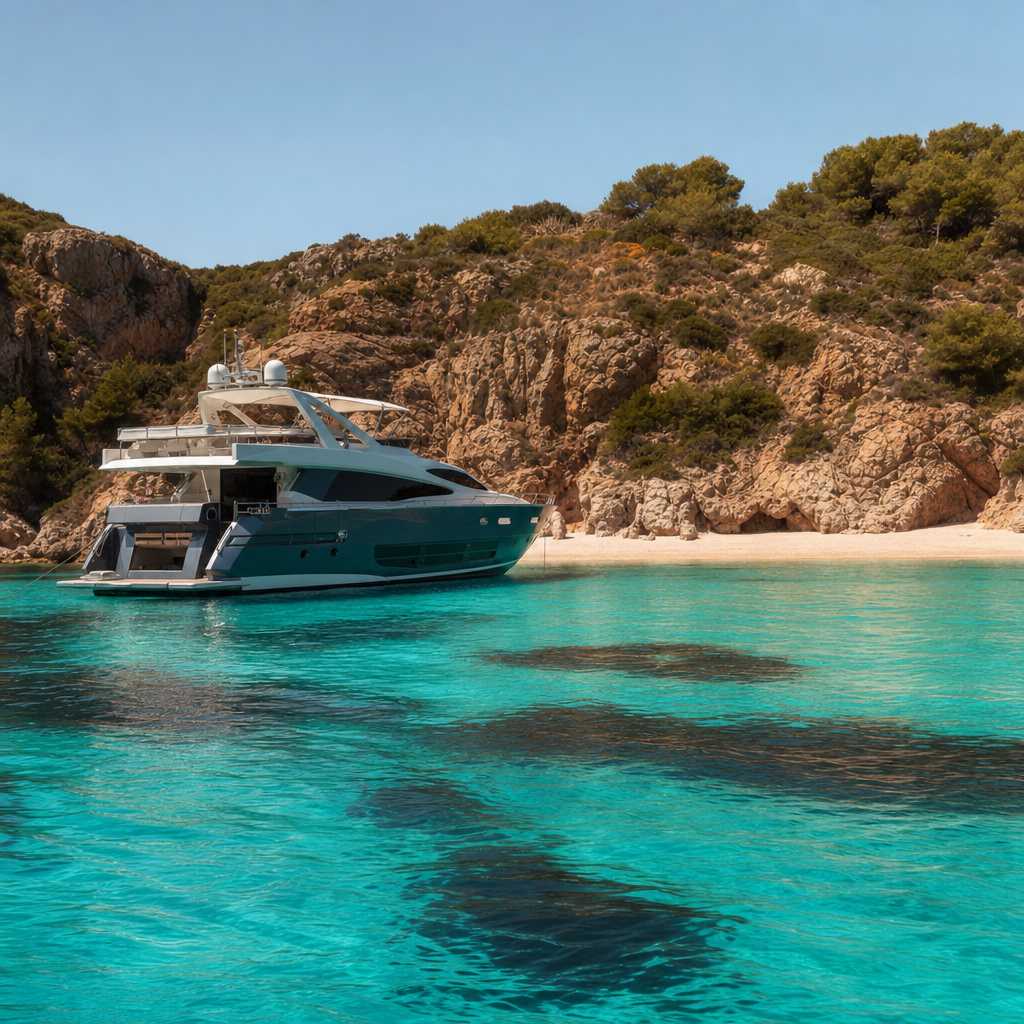
A private yacht charter from Port de Sóller, Port d'Andratx, or Palma marina gives you access to every cove on this island, including the ones that have no land access at all. A half-day charter with an experienced local captain runs between 800 and 2,500 euros depending on vessel size, and it includes navigation expertise that cannot be replicated by a rental kayak or paddleboard. The captain knows which coves are sheltered at what time of day, where the anchor holds safely, and which spots are best for swimming versus snorkeling.
For groups of four or more, the per-person cost of a charter becomes comparable to a guided day excursion, but the quality and exclusivity are not comparable at all. Charter clients anchor in empty coves while excursion groups queue at the same five beaches from the same tourist boats.
Pro tip: When booking a charter specifically for hidden cove access, tell the captain you want to avoid any anchorage that sees more than one other boat per visit. The best captains on the island have a mental list of exactly those spots and will take you there without hesitation if you are clear about your priorities.
Hiking Trails to Coastal Coves
The GR221 long-distance route through the Serra de Tramuntana has lateral paths that drop to the coast. The Consell de Mallorca maintains these trails and publishes GPX files through its hiking portal, but the quality of the information varies considerably. In practice, the marked trails are reliable. The unmarked extensions that locals use to reach the best coves are not documented anywhere publicly available.
For hike-access coves, a guided half-day walking excursion led by a local guide familiar with the Tramuntana is substantially more productive than attempting to navigate with a standard map. The difference in experience is not marginal. Guides who have walked these routes for years know which paths are stable after winter rains, where the descent is genuinely dangerous, and which cove offers shade in the afternoon.
Sea Kayaking for Mid-Range Access
Several companies on the island offer guided sea kayaking excursions that access coves inaccessible by road. This is a legitimate option for physically active travelers who want a more immersive experience than a boat charter provides. The limitation is range: you can cover perhaps 8 to 10 kilometers in a comfortable half-day paddle, which limits you to coves within that radius of the departure point. It also requires reasonable sea conditions, which in Mallorca means morning departures before the afternoon Tramuntana wind builds.
Mallorca Luxury Beach Experience: What Private Access Actually Looks Like
There is a real distinction between finding a quiet cove and having a genuinely luxurious beach experience. The two are not automatically the same. An empty cove is wonderful. An empty cove with a catered Mallorcan lunch, chilled Cava, proper sun loungers, and a skipper who knows exactly when to move to catch the afternoon light at the next anchorage is a different category of experience entirely.
This is where the difference between independent research and specialist concierge planning becomes tangible. A Mallorca luxury beach day arranged by Maison Mallorca typically combines a morning yacht departure from a private berth, anchor-and-swim access at two or three coves selected for that day's wind and swell conditions, an onboard or shoreside catered lunch sourced from Mallorcan producers, and return timing aligned with the rest of your day's schedule, whether that's a dinner reservation at a rural restaurant or a spa treatment at your villa.
The logistics that make this possible are not complicated in theory, but they require relationships that take years to build. Securing a specific captain, a specific caterer, and a specific berth on the same day in August requires advance planning and the kind of standing with local providers that comes from consistent, high-volume work with them over multiple seasons.
Pro tip: The best hidden cove experiences in Mallorca combine two or three stops rather than committing to a single destination. Conditions change, other boats arrive, and a captain with flexibility can adapt in real time. Always confirm when booking that the itinerary is route-based, not destination-fixed.
Comparing Your Access Options
Access Method
Coves Reachable
Best For
Private Yacht Charter (half or full day)
All coastal coves including boat-only inlets. Full island range from any marina. No hiking required.
Couples and groups of 4 to 10 seeking maximum exclusivity, comfort, and flexibility. Ideal for those who want a curated, fully serviced experience.
Guided Coastal Hiking (half day, local guide)
Trail-access coves in the Serra de Tramuntana and Cap de Formentor. Limited to locations within 5km of trailhead.
Active travelers who want physical engagement with the landscape and access to coves that even charter boats cannot reach due to shallow water or rock formations.
Guided Sea Kayaking (half day, guided)
Coastal coves within 8 to 10km of departure point. Best along the Tramuntana and east coast near Artà.
Adventurous travelers comfortable with moderate physical exertion who want immersive water-level access to small coves. Not suitable for families with young children.
Timing and Seasonal Strategy
The month you visit determines almost everything about what counts as hidden. The data is consistent: Mallorca receives approximately 13 million tourists per year according to the Balearic Islands Statistics Institute, and the overwhelming majority arrive between June and September. That concentration means a cove that feels genuinely remote in May is hosting dozens of visitors by the second week of July.
The best window for hidden beach access is late May through mid-June and late September through mid-October. Water temperatures in those windows range from 22 to 26 degrees Celsius, which is comfortable for extended swimming. The light in September and October is widely considered the best of the year by photographers and painters who have worked on the island for decades, with a warm, low-angle quality that the high-summer midday light completely lacks.
If your schedule requires an August visit, early morning is your primary tool. Boats depart from Palma and Sóller marinas between 9am and 11am for most charter operations. A private charter departing at 7:30am will reach the best coves before any other vessel. By the time the first day-trippers arrive at 11am, you will have had two to three hours of complete solitude at anchorages that will feel crowded by noon.
Winter access is a separate topic that deserves honest treatment. From November through March, many coves are accessible and completely empty, but sea conditions make boat access unreliable for most weeks. The hiking routes to coastal coves are often wet and slippery after rain. A small number of sheltered south-facing coves like Cala Pi in Llucmajor offer reliable winter access and are genuinely beautiful on calm days, but this requires flexibility and willingness to adapt plans based on daily conditions.
The pattern that works consistently for Maison Mallorca clients is a combination of a fixed villa base with a flexible daily activity schedule. When conditions are perfect, the yacht goes out. When conditions are marginal, the day shifts to inland experiences, golf, or culinary activities, and the beach day is moved to the best available window later in the week. This flexibility is only possible when logistics are arranged in advance with partners who can accommodate last-minute changes.
A common mistake is booking day-trip excursions to specific beaches without flexibility. Fixed excursions to places like Cala Varques or Sa Calobra run regardless of conditions and regardless of how many other boats make the same trip that day. The experience of arriving at a "secret" beach on a shared excursion boat alongside 30 other tourists is not what any discerning traveler is looking for.
Maison Mallorca's approach to beach planning treats cove selection as a daily decision made in consultation with the charter captain the evening before, based on wind forecast, swell height, and the client's stated priorities. That process consistently produces better outcomes than any pre-fixed itinerary. If you are planning a Mallorca trip and want access to genuinely private, uncrowded coves, speak with the Maison Mallorca team before you lock in your dates and villa.
Frequently Asked Questions
What are the most genuinely secluded hidden beaches in Mallorca?
The most consistently uncrowded coves are those with boat-only access on the northwest coast between Port de Sóller and Sa Calobra, along the Formentor Peninsula's south-facing shore, and in the protected zones of the Llevant Peninsula near Artà. Cala en Gossalba, Cala Murta, and several unnamed inlets between Deià and Banyalbufar rank among the least visited swimming spots on the island. Their low traffic is a direct result of difficult or nonexistent land access.
Is it possible to visit secret coves Mallorca without a boat?
Yes, but the number of options is significantly smaller. Cala Estreta near Artà, Sa Font Salada on the Tramuntana coast, and sections of the Mondragó Natural Park in the southeast are accessible by well-marked trails without boat access. In each case, the hike takes between 25 and 45 minutes each way over rocky terrain, which is manageable for most adults but not suitable for families with small children or anyone with limited mobility.
When is the best time to visit hidden beaches in Mallorca to avoid crowds?
Late May through mid-June and late September through mid-October are the optimal windows. Water temperatures are fully swimmable at 22 to 26 degrees Celsius, the island is operating at roughly 40 to 60% of peak capacity, and most of the hidden coves that attract crowds in August are accessible with genuine solitude. If you must visit in July or August, departing by boat before 8am and arriving at anchorages before 10am is the most reliable way to secure privacy.
What does a private yacht charter cost for hidden beach access in Mallorca?
Rates for a private half-day charter (4 to 5 hours) typically range from 800 to 1,800 euros for vessels accommodating up to 8 guests. Full-day charters with a professional skipper, lunch, and equipment run from 1,500 to 4,000 euros depending on vessel type and season. These rates are for private charters where the entire boat is reserved for your group, not shared excursion boats. For groups of four or more, the per-person cost is directly competitive with high-quality guided day tours while delivering a substantially more exclusive experience.
Are there any protected or restricted coves in Mallorca that require permits?
Yes. Several coves within the Llevant Natural Park, the Mondragó Natural Park, and the Sa Dragonera Marine Reserve have visitor limits and in some cases require advance registration. The Consell de Mallorca and the Balearic Islands Government manage these restrictions, which change periodically. A local concierge or charter captain will be current on which coves have access requirements and can arrange any necessary registrations as part of the trip planning process.
Can children access the hidden coves of Mallorca safely?
It depends entirely on the access method. Boat-access coves are the safest option for families with children, since the water entry is typically from a boat ladder or platform into calm, clear water with no surf. Trail-access coves involve rocky descents and uneven terrain that can be genuinely difficult for children under 8. Coves like Caló des Moro and Cala Pi have easier access and are regularly visited by families. For any cove involving a boat, children must wear life jackets during transit, and this equipment should be confirmed with the charter operator in advance.
How does Maison Mallorca arrange access to hidden beaches differently from a standard travel agency?
The practical difference is in the relationships and daily flexibility. Maison Mallorca works with a curated group of charter captains who have spent decades navigating the Mallorcan coast and know anchorages that do not appear in any commercial directory. More importantly, the concierge team coordinates the entire day as a single integrated experience, including villa departure, boat provision, catering, and return timing. A generalist travel agency can book a charter from a public listings platform, but they cannot curate the captain selection, the cove itinerary, or the on-water experience that comes from years of working with the same trusted operators.
What coves have you discovered in Mallorca that surprised you, and how did you find them? Share your experience below so other readers can plan with better information.