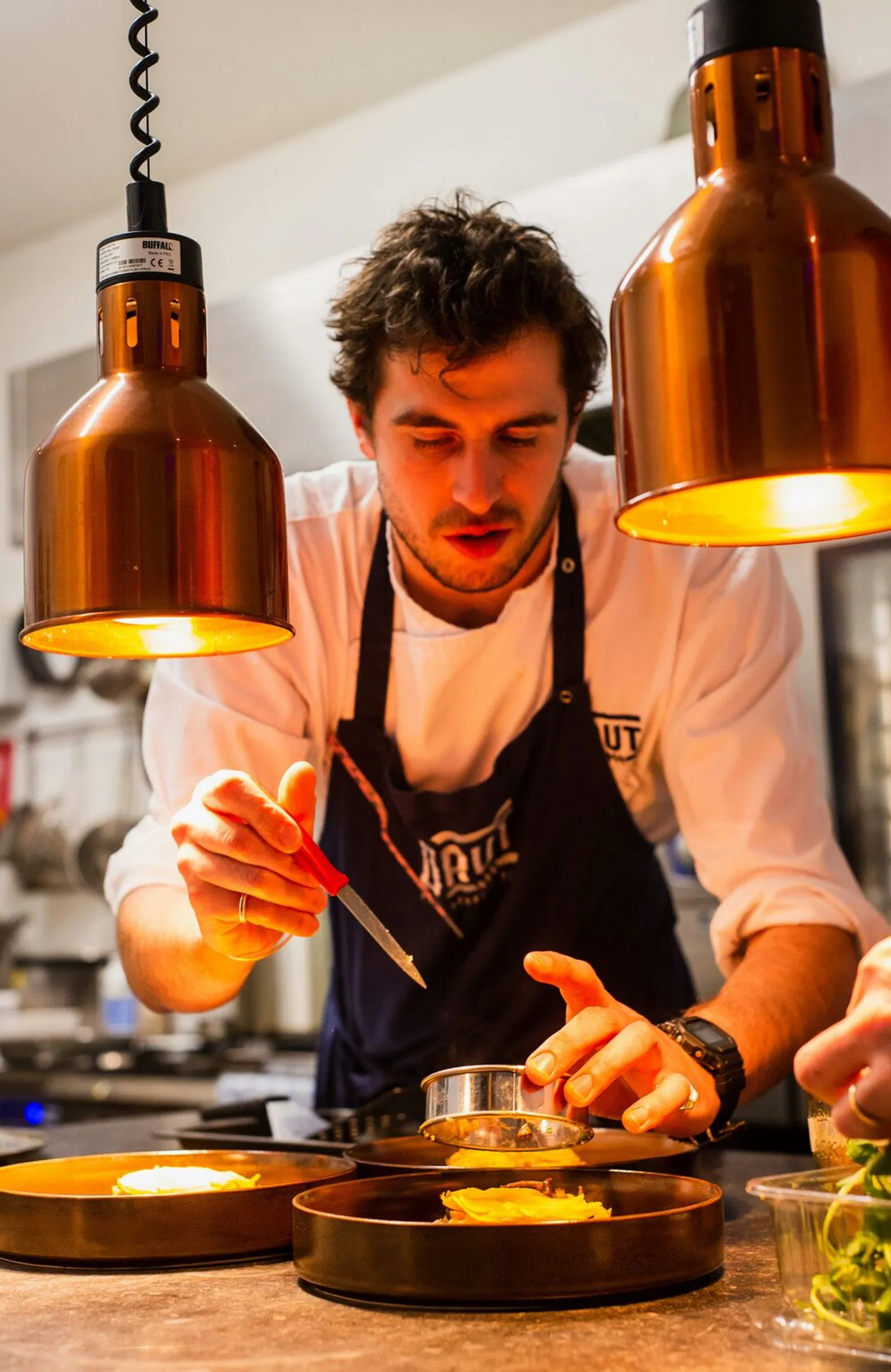
Mallorca’s culinary authority is about to receive its clearest international endorsement yet.
On September 25, 2026, Mallorca, un recetario : Mallorca, a Cookbook : will close the Culinary Zinema section of the 74th San Sebastián International Film Festival. The screening will be followed by a four-hands dinner from Maria Solivellas, of Ca na Toneta and Celler Tonet, and Andreu Genestra, chef of the Michelin-recognized restaurant that bears his name.
This is not simply a documentary screening. It is a public declaration of Mallorca’s position in contemporary gastronomy.
The island is no longer being treated as a beautiful backdrop with good produce. Its cuisine is being presented as a serious cultural language: regional, seasonal, deeply personal, and capable of holding its own on one of Europe’s most prestigious culinary stages.
For travelers planning a food-focused stay, the implication is unambiguous. The best tables, private producers, and meaningful culinary experiences will not remain available indefinitely.
Quick Takeaways
- Mallorca, un recetario closes Culinary Zinema on Friday, September 25, 2026.
- The film travels through Mallorca’s towns and villages, tracing recipes, seasonal products, family knowledge, and culinary memory.
- The post-screening dinner will be prepared by Maria Solivellas and Andreu Genestra at the Basque Culinary Centre.
- Combined screening and dinner tickets are priced at €90, with tables arranged for ten diners.
- For a Mallorca food itinerary, secure key restaurant reservations 6–8 weeks ahead. For a luxury villa Mallorca stay in peak periods, begin the property search at least 90 days ahead.
- The correct approach is not to collect restaurants. It is to build a coherent culinary route around the island’s geography, producers, and season.
The Event: Mallorca as Living Culinary Heritage
The official San Sebastián Festival announcement confirms that Culinary Zinema will run from September 22 through September 25, with five films accompanied by themed dinners in collaboration with the Basque Culinary Centre.
The section opens with Noor: Eating History and closes with Mallorca, a Cookbook. That placement matters. The closing film is the final statement of the programme, and Mallorca has been entrusted with it.
Directed by Pablo Bujosa : credited by the Festival as Pablo Bujosa Rodríguez and announced in some coverage as Pablo Bujosa Martínez : the documentary moves through the island’s villages to examine what lies behind traditional Mallorcan cooking.
Not technique for technique’s sake.
Not restaurant theatre.
The film focuses on seasonal produce, recipes passed through families, and the rituals that turn food into cultural memory. It looks at the relationship between a dish and the place that produced it: the soil, the harvest calendar, the household, and the generations that preserved the method.
The screening will be followed by a dinner at the Basque Culinary Centre. Tickets go on sale on August 28 at 10:00 a.m. through the Festival’s official ticket platform. The combined ticket is €90, and tables are configured for ten guests to encourage conversation.
That is the entry-level version of access.
The genuine article is understanding the places, people, and timing behind the cuisine.
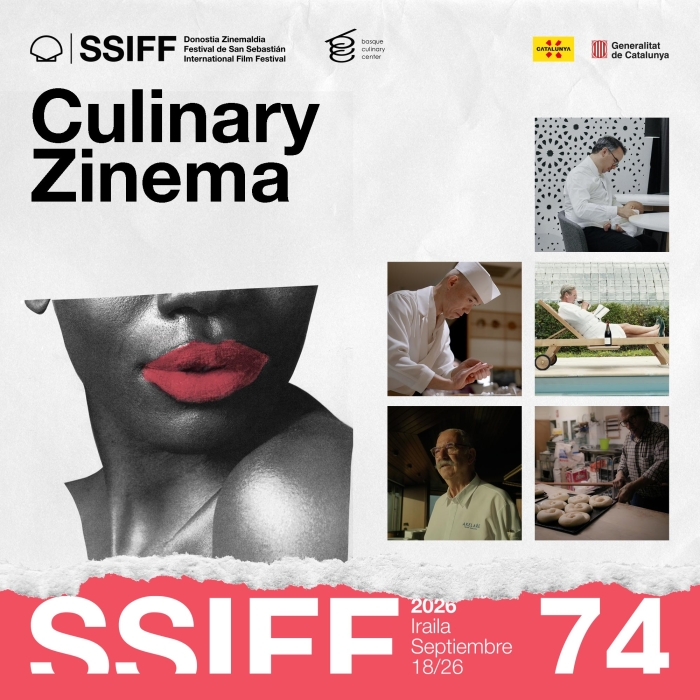
The official Festival programme confirms Mallorca as the closing culinary story of the 2026 edition. View the announcement.
Two Chefs. Two Mallorca Perspectives.
The dinner’s strength lies in the contrast between its two chefs.
Maria Solivellas: Caimari, Memory, and the Seasonal Table
Maria Solivellas is associated with Ca na Toneta in Caimari, at the edge of the Serra de Tramuntana, and Celler Tonet in Inca.
At Ca na Toneta, the cuisine is inseparable from its surroundings. The restaurant’s tasting menu changes with the season, using local ingredients and drawing from Mallorcan home cooking rather than imposing a generic fine-dining formula.
The MICHELIN Guide describes Ca Na Toneta as a regional cuisine destination built around a single seasonal tasting menu, an organic vegetable garden, zero-mile ingredients, and composting. It holds a Michelin Green Star rather than a conventional Michelin star : a distinction that reflects sustainability and local sourcing rather than ranking the restaurant as less serious.
This is precisely the kind of distinction that matters to informed travelers.
Ca na Toneta is not designed to impress through spectacle. It offers something more difficult to replicate: a precise sense of place. The restaurant occupies two houses in Caimari, with a vine-covered terrace and a setting that feels integrated into the village rather than extracted from it.
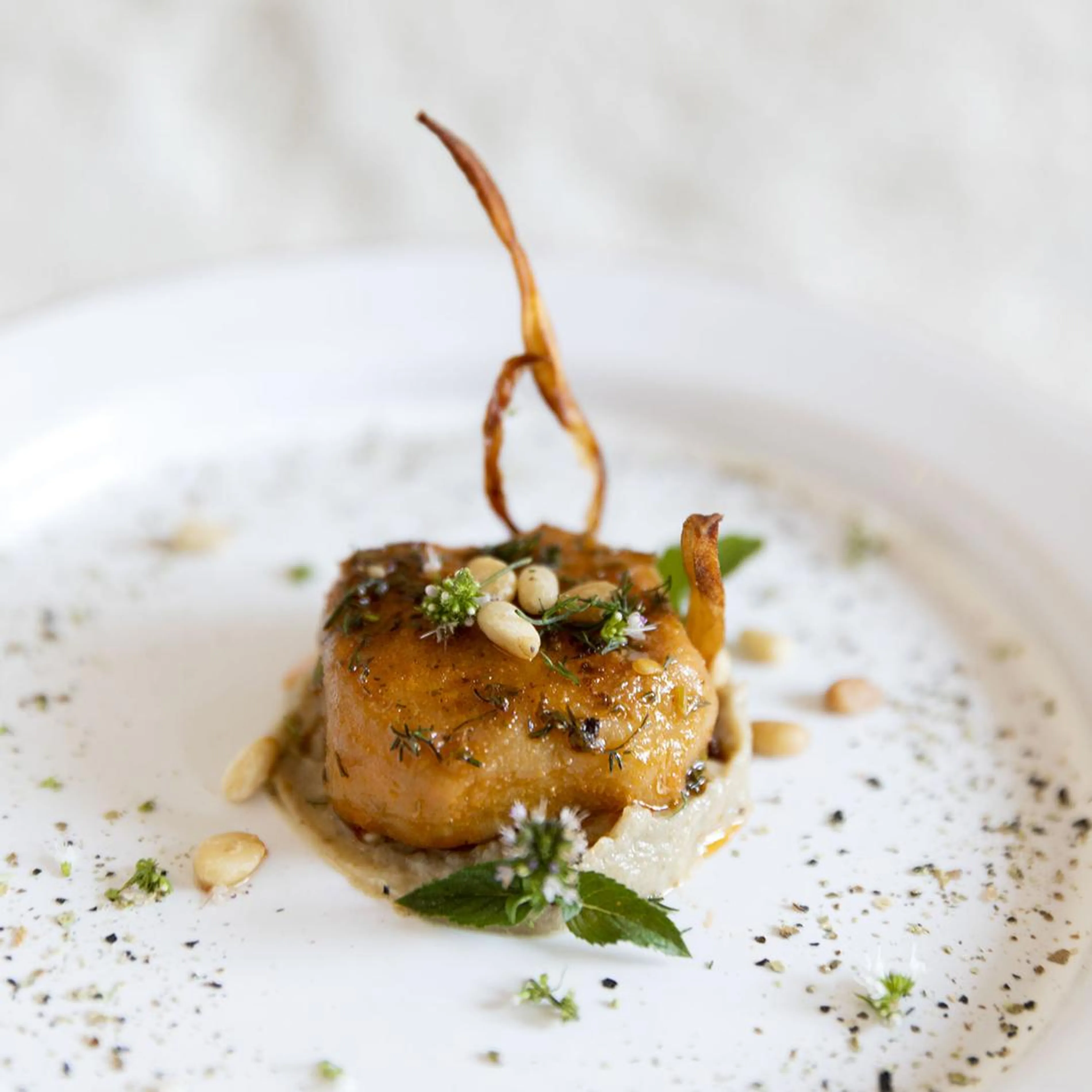
Ca na Toneta’s cuisine is built around seasonal Mallorcan produce and regional memory. Image via the MICHELIN Guide.
Andreu Genestra: Modern Technique and Mediterranean Depth
Andreu Genestra brings a different register.
His restaurant at Hotel Zoëtry Mallorca in Sa Torre, Llucmajor, combines contemporary technique with ingredients drawn from the Mediterranean landscape. The restaurant currently holds one Michelin Star and one Michelin Green Star, alongside two Repsol Suns, according to the restaurant’s official website.
Its current “Mediterranean” menus are structured around Mallorca’s native ingredients, the broader culture of the Mediterranean, and produce grown close to the kitchen. The result is more formal and technically elaborate than the experience at Ca na Toneta, but the foundation is similar: territory first.
This is the point of the San Sebastián dinner. Solivellas and Genestra are not presenting one fixed definition of Mallorcan cuisine. They are demonstrating its range.
One chef works through family recipes, rural context, and seasonal simplicity. The other interprets the same island through refined technique, tasting-menu structure, and modern presentation.
Both are legitimate.
That is the distinction between a destination that merely has restaurants and a destination with a mature gastronomic culture.
The Mallorca Food Itinerary We Would Build
A serious culinary stay should not be assembled as a sequence of isolated reservations. Geography matters. Driving times matter. The allocation of your days matters.
The island does not forgive assumption.
| Culinary base |
What it gives you |
Best paired with |
| Palma |
Michelin dining, markets, historic cellers, cocktail bars, private chef access |
Two or three nights at the beginning or end |
| Caimari and Inca |
Rural Mallorcan cuisine, Ca na Toneta, local produce, Tramuntana foothills |
A private finca in the north or mountains |
| Llucmajor and the southeast |
Andreu Genestra, vineyards, agricultural estates, quieter roads |
A secluded country estate or coastal villa |
| Binissalem |
Winery visits, indigenous grape varieties, cellar lunches |
A dedicated wine day with private transportation |
| Pollença and the north |
Produce-led restaurants, markets, olive oil, long lunches |
A luxury villa Mallorca clients can use as a private base |
The correct sequence depends on your priorities. A couple focused on Michelin dining may prefer Palma, Llucmajor, and Caimari. A multigenerational group may need a private villa with a full kitchen, outdoor dining infrastructure, and enough space for a chef to work discreetly on-site.
A villa is not automatically the better option. A poorly located property can turn a carefully planned dinner into a two-hour transport problem. A well-positioned residence, however, gives you privacy between meals and access to the island’s interior without changing hotels every two nights.
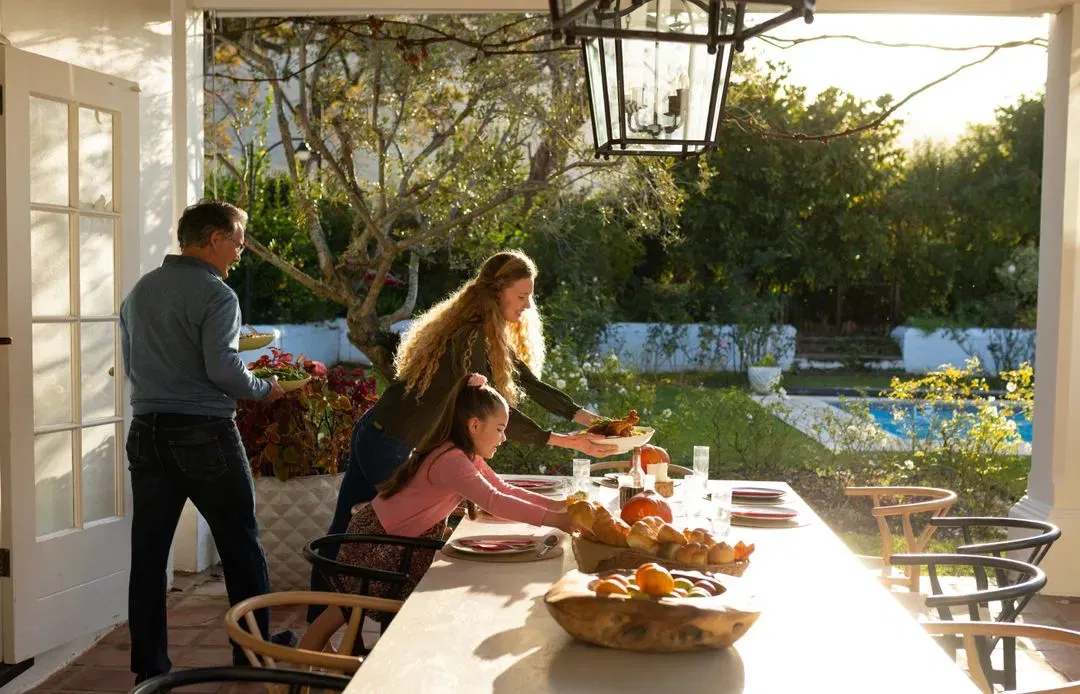
A personally vetted finca can become the private base for chef-led meals, market visits, and producer-focused excursions.
Rules for Booking a Food-Focused Mallorca Stay
Rule One: Reserve the anchor restaurants first
Do not choose the villa and then hope the restaurants align.
For the best restaurants Mallorca Michelin recognition can point you toward, begin with the dining calendar. Request your preferred dates 6–8 weeks in advance at minimum. For September, June, and the highest-demand summer weeks, 90 days or more is the safer allocation.
Restaurants such as Ca na Toneta operate with limited capacity. A booking request for eight guests is not simply a larger version of a table for two. It can require a different service configuration altogether.
Rule Two: Build around the season
A seasonal menu is not a marketing phrase. It determines what is actually available.
Artichokes, almonds, tomatoes, citrus, grapes, lamb, fish, mushrooms, and stone fruit each have their own windows. A food-focused itinerary built in February should not be copied unchanged for September.
We coordinate directly with restaurants, producers, and private chefs so the itinerary reflects what the island is producing when you arrive.
Rule Three: Allow proper transfer time
Caimari, Inca, and Llucmajor are not interchangeable with Palma.
A private driver can usually move efficiently between these areas, but evening roads, village access, and post-dinner timing must be considered. The island’s best rural restaurants are often deliberately removed from the main resort infrastructure.
That is not a minor inconvenience. It is part of the experience : provided the logistics are handled properly.
Rule Four: Do not confuse Michelin recognition with the entire story
Michelin matters. It provides useful signals.
It does not define Mallorca’s complete culinary landscape.
A private market visit, a cellar lunch in Binissalem, a cooking class with a local chef, or a producer-led olive oil tasting may be more meaningful to you than another formal tasting menu. Our role is to understand the difference before we start booking.
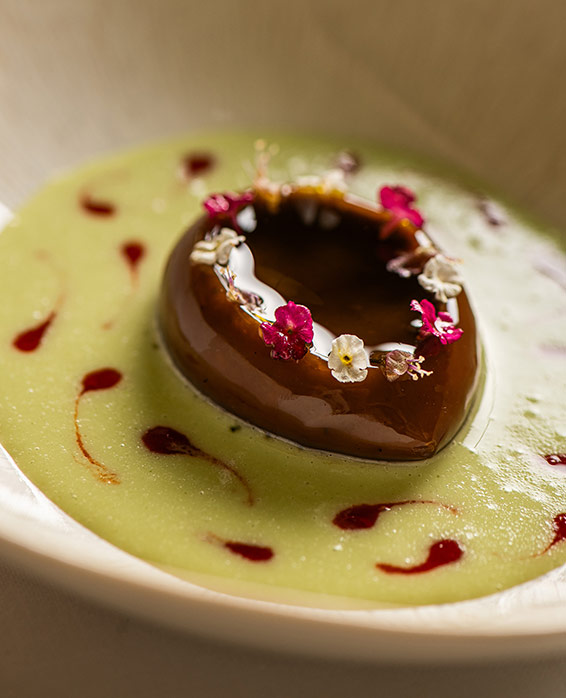
Andreu Genestra’s cuisine combines local Mediterranean produce with contemporary technique. Explore the official restaurant site.
Why Book Now
San Sebastián’s Culinary Zinema programme is temporary. The larger signal is not.
Mallorca’s food culture is entering a more visible international phase, and demand will continue to concentrate around the chefs, villages, and producers already doing the most distinctive work. Availability will tighten before the island’s best experiences become broadly discoverable.
For American travelers, the reservation infrastructure is particularly important. European agencies often offer a generic list of restaurants and leave the guest to connect the pieces. That is not bespoke travel Mallorca should look like.
We work from the opposite direction.
We identify the purpose of the trip, select a suitable base, secure the dining anchors, and build the experiences around them. We can source a privately vetted finca, arrange a chef-led lunch, coordinate a winery visit, and return you to your residence without leaving the details to chance.
Our Mallorca Insider Guide is where we share the intelligence. Our Mallorca experiences are where the planning becomes operational.
The Maison Mallorca Approach
A food-focused Mallorca stay should feel effortless once you are on the island. That does not mean it was simple to arrange.
Our team handles the allocation of time, transport, reservations, villa selection, dietary requirements, and on-island adjustments. We present three personally vetted residence options rather than sending you into an uncontrolled inventory of listings. We do not add hidden markups to properties, and we work with the local relationships required to secure tables that may not appear online.
That is the difference between a Mallorca luxury travel guide and a working local network.
If Mallorca, un recetario proves anything, it is that the island’s cuisine deserves to be experienced with context. Start in Palma. Continue into the villages. Eat where the season dictates. Meet the people preserving the recipes. Then return to a private residence with the day properly arranged.
For a food-focused escape built around Mallorca’s most important tables and the island’s living culinary heritage, start your inquiry with Maison Mallorca.