Discover how to plan a private Mallorca wine tour through Binissalem and Pla i Llevant. Expert guide to the island's finest cellars, indigenous grapes, and exclusive tasting experiences.
Mallorca Wine Tour: Binissalem and the Best Cellars
Discover how to plan a private Mallorca wine tour through Binissalem and Pla i Llevant. Expert guide to the island's finest cellars, indigenous grapes, and exclusive tasting experiences.
Insider Guide
Most visitors to Mallorca spend their time focused on beaches and resorts, completely unaware that the island produces some of the most distinctive wines in Spain. The Mallorca wine tour experience, particularly through the Binissalem appellation, represents one of the most underutilized luxury itineraries available to discerning travelers. The island's flagship Denominació d'Origen covers roughly 400 hectares of vineyards, with Manto Negro and Prensal Blanc grapes producing wines that you simply cannot find at home. For American travelers who have done Napa and Tuscany, Mallorca's wine country is the next frontier.
Designated in 1991, Binissalem was the first wine appellation established on any Spanish island, giving its producers over 30 years of regulated quality refinement.
Manto Negro is the grape to know
This indigenous red variety thrives in Mallorca's limestone-rich soils and produces wines unlike anything from the mainland. It is not available in most U.S. restaurants or wine shops.
Private tours access barrel rooms and reserve libraries
Public tastings at most Mallorcan bodegas are limited. A private arrangement, coordinated in advance, unlocks access to vertical tastings, winemaker meetings, and cellar-only releases.
Harvest season runs September through October
Visiting during vendimia means you can participate in hand-picking at select estates. This is an exclusive add-on that most general travel agencies do not know to request.
Pla i Llevant is the island's second DO and equally compelling
Located in the eastern part of the island near Felanitx, this appellation focuses on different varietals and a more artisan production style. It is almost entirely unknown to first-time visitors.
Wine pairing lunches require advance booking of 2 to 4 weeks
The best estate lunches at producers like Bodegas Ribas and José L. Ferrer are not walk-in experiences. They require coordination with the winery and, ideally, a local contact who has an existing relationship.
Logistics between wineries are often underestimated
Binissalem village is compact, but getting between the DO's top producers and then continuing to Pla i Llevant requires a planned route. Without private transport and a guide, you will waste hours.
Why Binissalem Matters More Than You Think
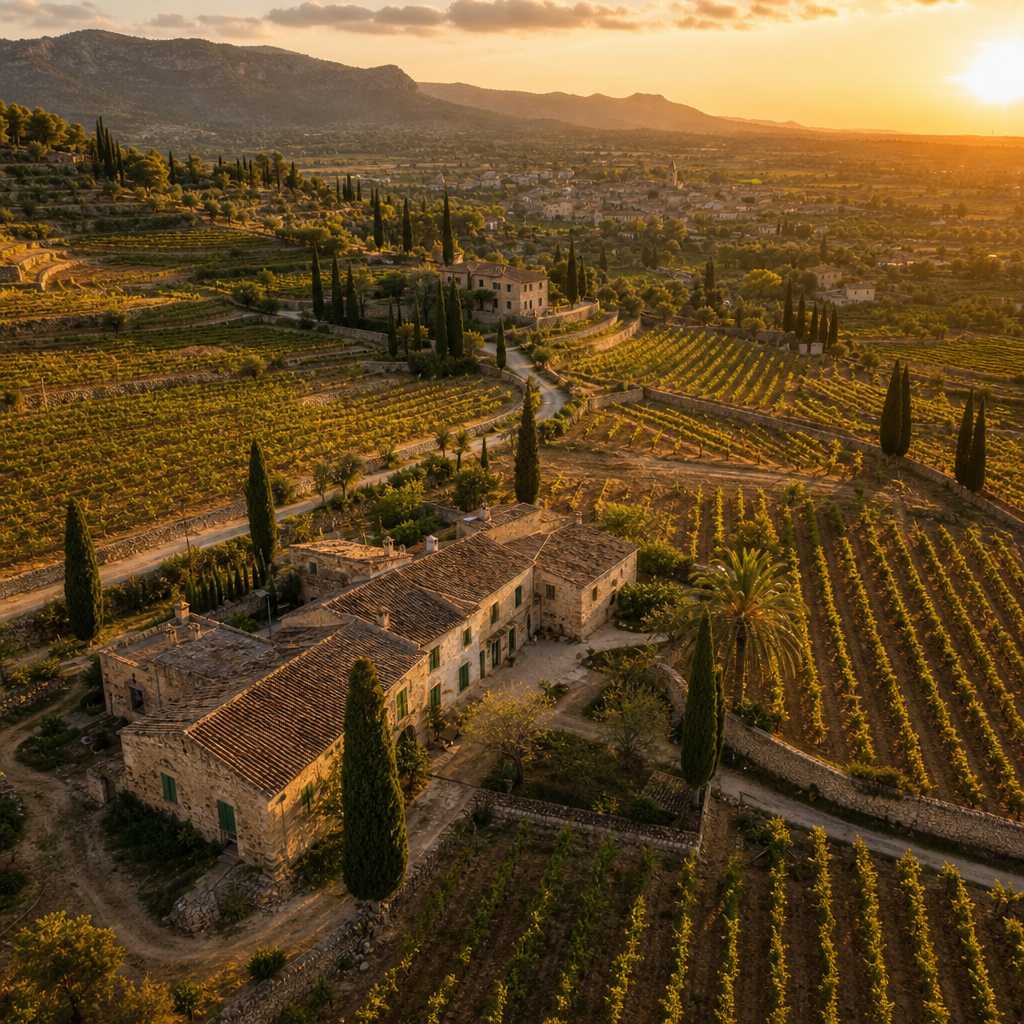
Binissalem sits in the heart of the Raiguer region, roughly 25 minutes northeast of Palma along the old railway road. The village itself is quiet and unhurried, lined with ochre stone buildings and the kind of weekly market that has not been repackaged for tourists. What surrounds it, however, is serious viticulture. Binissalem wine Mallorca production spans around 17 registered estates operating under the DO, with total annual output of approximately 1.5 million liters.
The soils here are a combination of clay and calcium carbonate, which forces vine roots deep and results in wines with distinctive minerality. Summer temperatures regularly exceed 30 degrees Celsius but are tempered by the Tramuntana mountains to the north, creating diurnal temperature swings that preserve acidity in the grapes. This is the kind of terroir detail that separates a generic tasting experience from one where you actually understand what is in the glass.
In practice, most American travelers who discover Mallorcan wine do so accidentally, ordering a local red at dinner and being surprised by its depth. The smarter approach is to go in with knowledge and a plan.
The Indigenous Grape Varieties That Define the Region
Manto Negro is the dominant red varietal, accounting for roughly 60 percent of red grape plantings in Binissalem. It produces wines ranging from light and fruit-forward to structured and age-worthy, depending on the producer's style. Callet is a secondary red variety used for blending, and Prensal Blanc (also known as Moll) dominates white wine production with a crisp, aromatic profile that pairs exceptionally well with local seafood.
Producers such as Bodegas José L. Ferrer, the appellation's most historic estate dating to 1931, and Bodegas Ribas, which claims roots back to 1711 and is one of the oldest family wineries in Spain, each take distinct approaches to these same varietals. Visiting both on the same day reveals more about terroir and winemaker philosophy than any wine course could.
Pro tip: Ask your host at Bodegas Ribas to compare their Sió Negre with the Ribas de Cabrera. Both use indigenous varieties but express radically different sides of the appellation. Most public tasting menus do not include both, so you need to request this specifically.
Top Cellars to Visit on a Private Mallorca Wine Tour
Choosing which bodegas to visit depends on what kind of experience you want. Some estates emphasize history and architecture. Others are built around modern viticulture and biodynamic farming. A properly curated itinerary combines at least two contrasting styles rather than booking three tastings that feel identical.
Bodegas José L. Ferrer
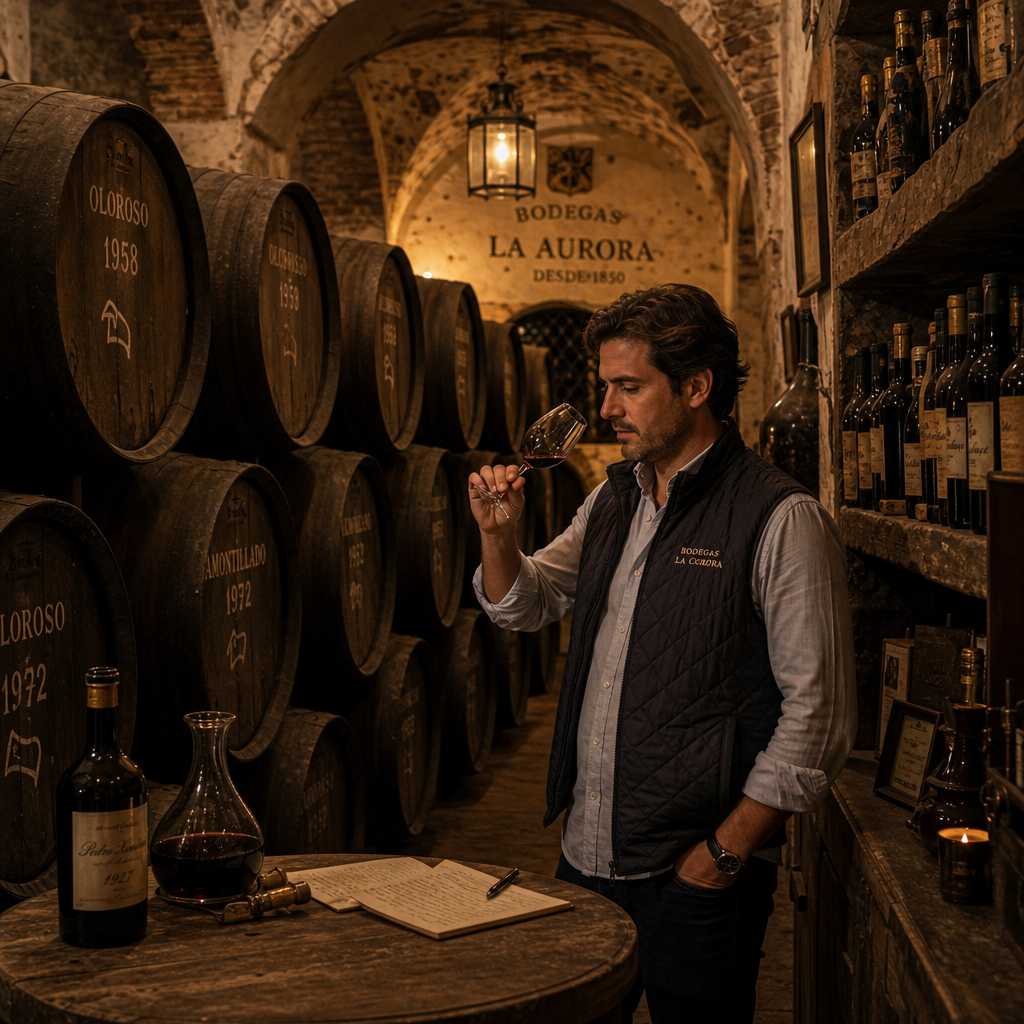
This is Binissalem's best-known producer, and for good reason. Their Reserva and Gran Reserva Manto Negro expressions are benchmark wines for understanding what the appellation can achieve at full ripeness. The bodega building itself is worth seeing, with its original stone architecture and underground aging cellars that maintain a constant 14 degrees Celsius year-round. Private visits here can include access to their reserve library dating back several decades.
Bodegas Ribas
Located in the village of Consell, adjacent to Binissalem, this estate is family-run across its 13th generation. Their commitment to indigenous varieties is total. They introduced Gargollassa, a nearly extinct red varietal, back into commercial production and now produce one of the island's most sought-after single-varietal expressions from it. A visit here involves walking the vineyards, understanding organic farming practice, and tasting through a lineup that rewards attention.
An Negra
Based further south in Felanitx within the Pla i Llevant DO, An Negra is a boutique operation producing extremely limited quantities of some of Mallorca's most distinctive wines. Their Quíbia and SON NEGRE labels have earned international recognition. Getting a private appointment here requires the kind of local connection that a concierge with genuine island relationships can provide. This is not a winery you call cold.
"Mallorca's wine identity is built on varieties that exist nowhere else in the world. Manto Negro and Callet are not just local curiosities. They are the reason this island deserves serious attention from wine travelers." - Jancis Robinson, MW, on Mediterranean island wine appellations
Beyond Binissalem: Pla i Llevant and the Boutique Producers
The second of Mallorca's two DOs, Pla i Llevant, covers the central and eastern plains of the island and received its designation in 2001. It operates with a different philosophy. Where Binissalem trends toward tradition and indigenous varieties almost exclusively, Pla i Llevant producers experiment more freely with Cabernet Sauvignon, Merlot, and Syrah planted alongside local grapes.
This is where Mallorca's most internationally competitive wines are being made. Producers like Miquel Oliver in Petra and Jaume Mesquida in Porreres are crafting wines that have earned listings in Michelin-starred restaurants across Europe. Visiting this zone on the same trip as Binissalem gives you a complete picture of what the island is capable of.
The landscape here is also worth noting. The eastern plains are flatter and more pastoral than the Tramuntana foothills around Binissalem, and the drive through villages like Petra, Sant Joan, and Felanitx is itself part of the experience. This part of Mallorca is the one almost no tourist ever sees.
Pro tip: Combine your Pla i Llevant winery visit with lunch at a rural finca restaurant in the area. The eastern villages have no-reservation, table-cloth establishments that serve traditional Mallorcan cooking. Your concierge should know which ones are currently serving well, as these places change quality seasonally.
Comparing Tour Formats: Group, Self-Guided, and Private
Not every Mallorca wine tour is structured the same way, and the format you choose has a significant impact on what you actually experience. The table below compares the three main options honestly.
Format
What You Get
What You Miss
Group Wine Tour (shared minibus, fixed itinerary)
Convenient transport, affordable price point, a social atmosphere with other wine-interested travelers. Good introduction to 2 or 3 producers.
No flexibility. Fixed tasting menus only. No access to reserve wines, winemakers, or cellar-only labels. Rushed at each stop. No ability to linger or ask detailed questions.
Full schedule flexibility, lower cost, ability to revisit a favorite producer. Works for wine-literate travelers who have done their research in advance.
No introductions. Cold booking means standard public tastings only. Language barrier at smaller producers. Driving after tastings is a real logistical issue. No insider access.
Private Curated Experience (concierge-arranged, dedicated guide and driver)
Access to producers not open to the public, winemaker-hosted tastings, vertical flights of reserve and library wines, estate lunches, harvest participation in season. Fully customized pacing and focus.
Higher cost. Requires advance planning of 2 to 4 weeks. Not suitable for travelers who prefer spontaneous itineraries.
In practice, the private experience is the only format that consistently delivers what serious wine travelers are looking for. The access differential is not marginal. It is fundamental. A winemaker who pours you their reserve selection over a two-hour lunch in their family dining room is a completely different experience than a 45-minute group tasting in a public room.
What to Eat Alongside Mallorcan Wine
Mallorcan cuisine and the island's wines were designed for each other in a literal sense. The same soils that produce minerally Prensal Blanc also grow the almonds, olives, and figs that define the island's cooking. Understanding these pairings makes tasting more meaningful and the meals more memorable.
Classic Pairings That Work
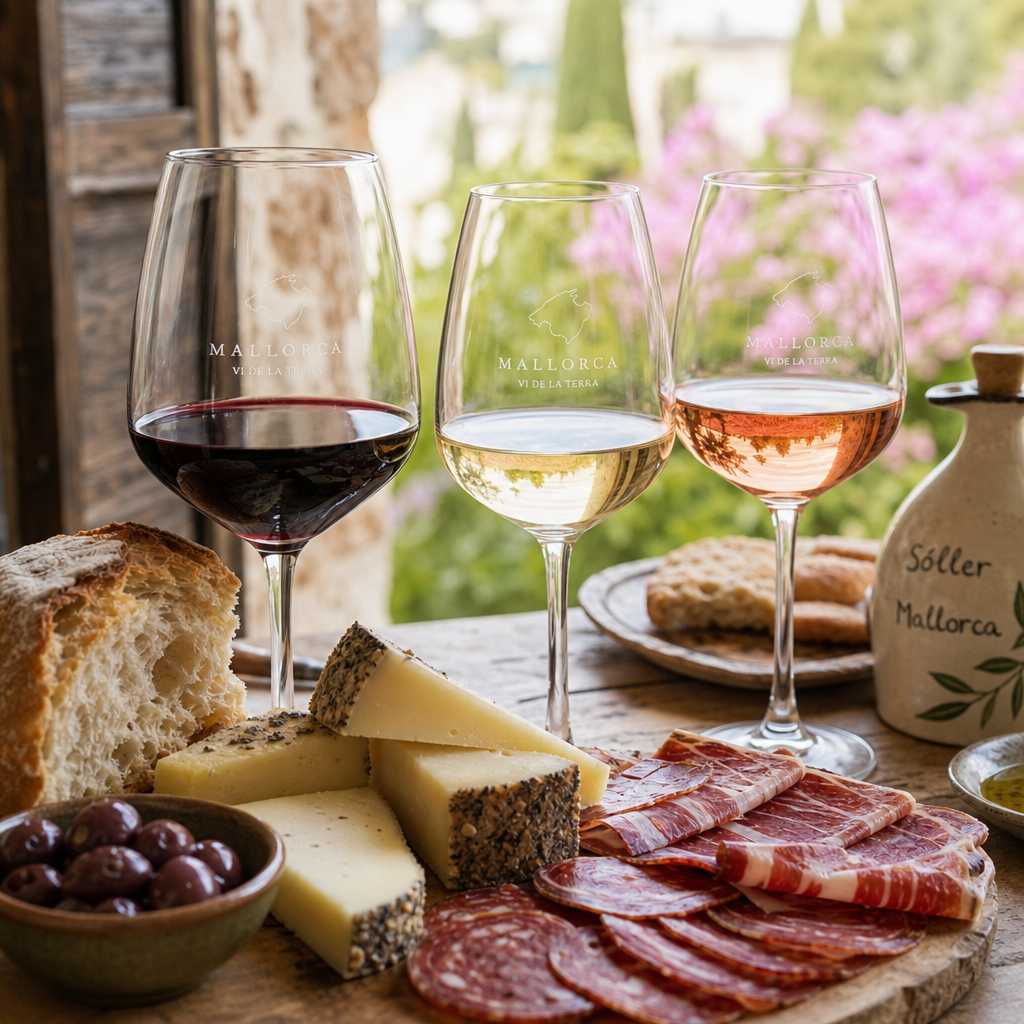
Prensal Blanc with ensaimada de verdura is a textbook match. The wine's citrus and almond notes mirror the pastry's savory-sweet filling. Prensal also pairs cleanly with Mallorcan tumbet, a layered vegetable dish of potato, aubergine, and tomato that benefits from a wine with enough acidity to cut through the olive oil.
Manto Negro reds, particularly younger vintages, are excellent with sobrassada, the island's iconic cured pork sausage seasoned with local paprika. The wine's red fruit and mild tannins complement the sausage's richness without overwhelming it. For older, more structured Manto Negro Reservas, slow-roasted lamb from a wood-fired oven is the pairing to request.
Where to Eat in Wine Country
The Binissalem area has a handful of genuinely excellent restaurants that take local wine seriously. Celler Sa Font in Binissalem village maintains one of the better local wine lists in the area and serves traditional Mallorcan cooking without tourist modifications. In the Pla i Llevant region, Es Molí d'en Bou in Sa Coma has held a Michelin star and pairs extensively with island producers. Booking these requires advance planning, particularly during summer.
Planning Your Private Wine Experience in Mallorca
The logistics of a serious wine itinerary in Mallorca are more involved than booking a standard excursion. The best producers do not have online booking systems. Some do not have public websites at all. Access depends on relationships, timing, and knowing exactly what to request. This is precisely where working with a specialist like Maison Mallorca creates tangible value, not theoretical value.
A well-constructed private wine experience Mallorca itinerary covers two to three days minimum if you intend to do both DOs properly. Day one typically covers Binissalem, including the historic producers and a working vineyard walk. Day two moves to the eastern zone, including boutique Pla i Llevant producers and a rural lunch. A third day can be devoted to a deeper dive at a single estate or a pairing dinner at a Palma restaurant with a serious island wine program.
Timing: When to Visit
The shoulder seasons of May and October are objectively the best months for a Mallorca wine tour. May offers mild temperatures and vine growth at full spring vitality. October is harvest season, giving you the chance to observe or participate in vendimia and taste wines from the previous vintage direct from barrel. August visits are possible but come with full tourist-season heat and accommodation premiums. January and February are quiet, the island is nearly empty, and many producers are more available for extended private time.
What to Ask Your Concierge to Arrange
Beyond the winery visits themselves, a proper private experience should include: private transport with a driver who knows the roads and producers personally; a dedicated wine guide with formal sommelier training and island-specific knowledge; at least one estate meal where the winemaker is present; access to wines not available for export or retail purchase; and a small allocation purchase opportunity if the wines impress you. These are not extras. They are the core of what distinguishes a curated experience from a tourist excursion.
Frequently Asked Questions
What is Binissalem wine and why is it significant?
Binissalem is Mallorca's primary wine appellation and the first Denominació d'Origen established on any Spanish island, receiving its designation in 1991. It is significant because it produces wines from indigenous grape varieties, primarily Manto Negro and Prensal Blanc, that are found nowhere else in the world. For wine travelers, this uniqueness is the core appeal. You cannot replicate these wines at home.
How many wineries are there in Mallorca?
Mallorca has approximately 70 active wine producers across the island, with around 17 registered under the Binissalem DO and a further cluster operating under the Pla i Llevant DO. The remainder produce under the broader Vi de la Terra Illes Balears designation, which allows more varietal flexibility. A serious three-day wine itinerary can reasonably visit 5 to 7 producers in depth.
Do I need to speak Spanish to visit Mallorcan wineries?
At the larger, more established producers like José L. Ferrer, English is spoken and public tastings are available in multiple languages. At boutique estates, particularly in the Pla i Llevant region, the situation varies considerably. Having a bilingual guide or a concierge who has pre-arranged your visit and briefed the winery on your group is the practical solution. This also removes the awkwardness of cold arrival at a small family operation.
When is the best time of year for a Mallorca wine tour?
May and October are the strongest months. May offers comfortable temperatures, active vineyards, and lighter tourist crowds. October coincides with the harvest, making it ideal for travelers who want to see winemaking in process rather than simply tasting finished bottles. If your schedule is fixed in summer, go early in the morning before temperatures peak and avoid booking more than two winery visits in a single day.
Can I buy Mallorcan wines and ship them to the United States?
Direct wine shipping from Spain to the U.S. is subject to state import laws and is not universally permitted. Some estates have established U.S. importer relationships, making their wines findable at specialist retailers in major American cities. For wines without U.S. distribution, your best option is to carry bottles home as checked luggage within duty-free allowances, or to work with a licensed wine shipping service. A well-connected concierge will know which producers have U.S. import partners and which do not.
What is a realistic budget for a private wine experience in Mallorca?
A full two-day private Mallorca wine tour including private transport, a dedicated sommelier guide, winery entrance and tasting fees, and one estate lunch typically ranges from 800 to 1,500 euros per couple, excluding wine purchases and accommodation. This compares directly with similar private wine experiences in Napa or Burgundy. The investment covers both access and knowledge. What you get at this level is categorically different from a 50-euro shared bus tour.
If you have visited Mallorcan wineries or planned a wine itinerary on the island, share your experience in the comments. Which estates impressed you most, and what would you do differently on a return trip?