Discover Palma Mallorca luxury travel in the Old Town. Expert neighborhood guide covering boutique hotels, Michelin dining, cultural sites, and concierge tips.
Palma's Old Town: A Luxury Traveler's Neighborhood Guide
Discover Palma Mallorca luxury travel in the Old Town. Expert neighborhood guide covering boutique hotels, Michelin dining, cultural sites, and concierge tips.
Insider Guide
Most first-time visitors to Mallorca spend their days chasing beach clubs and miss the most compelling quarter on the island entirely. Palma Mallorca luxury travel begins and ends in the Old Town, a compact medieval labyrinth where 13th-century Gothic architecture shares a street with Michelin-starred restaurants, couture boutiques, and some of the most coveted small hotels in the Mediterranean. If you are accustomed to the Four Seasons model of luxury, Palma's Old Town will recalibrate your expectations. The intimacy here is the point, and knowing exactly which streets, which properties, and which tables to prioritize separates a transcendent trip from an expensive disappointment.
Why Palma's Old Town Is the Epicenter of Luxury in Mallorca
Key Insight
Explanation
The Old Town is walkable by design
The historic core spans roughly one square kilometer, meaning top hotels, restaurants, and cultural sites are all within a 10-minute walk of each other - a rare advantage for luxury travelers who dislike car dependency.
Luxury boutique hotels Palma dominate this district
The Old Town holds the highest concentration of five-star and boutique properties on the island, including converted 16th-century palaces that no coastal resort can replicate.
Peak season pricing spikes sharply in July and August
Suite rates at top properties can reach 2,000 EUR per night in high summer. May, June, and September offer near-identical conditions at 30-40% lower rates.
Michelin representation is concentrated here
Mallorca holds multiple Michelin-starred restaurants, with the majority clustered in or immediately adjacent to Palma's Old Town, making it the island's undisputed dining capital.
American travelers need reservation lead times of 60-90 days
The most sought-after tables and hotel suites fill far in advance of arrival. Attempting to book on arrival, even at five-star properties, consistently fails during high season.
The cathedral is a navigational and experiential anchor
La Seu cathedral dominates the skyline and serves as the geographic center of the Old Town. Every major luxury property, restaurant, and cultural site orients around it within minutes on foot.
Private guided access changes the experience entirely
Public queues at La Seu and the Royal Palace of La Almudaina can consume 90 minutes. Private access arranged through a concierge typically eliminates the queue and adds narrative depth unavailable in standard tours.
The concentration of quality in Palma's Old Town is not accidental. The area has attracted serious investment from European hospitality groups since the early 2010s, and the results are now mature enough to be genuinely exceptional rather than aspirational. For American travelers accustomed to equating luxury with new construction and expansive square footage, this requires a mental shift. Here, a 400-square-meter suite in a converted nobleman's palace delivers more character and more curated detail than most modern mega-resorts can manufacture.
Navigating the Neighborhoods Within the Old Town
The Old Town is not monolithic. It contains distinct micro-zones, each with a different character, and matching your accommodation and activity choices to the right zone is one of the most important decisions you will make before arriving.
La Lonja and the Waterfront
La Lonja is the neighborhood immediately behind the seafront promenade and adjacent to the 15th-century Llotja merchant exchange building. This area offers the most direct access to the marina and is the preferred base for guests arriving by private yacht or planning frequent yacht day trips. The density of high-quality restaurants here is the highest in the Old Town, with several Michelin-recognized establishments within a two-block radius. The ambient noise level after midnight can be significant in summer, which is worth considering when selecting your room orientation.
Barrio Gótico Around La Seu
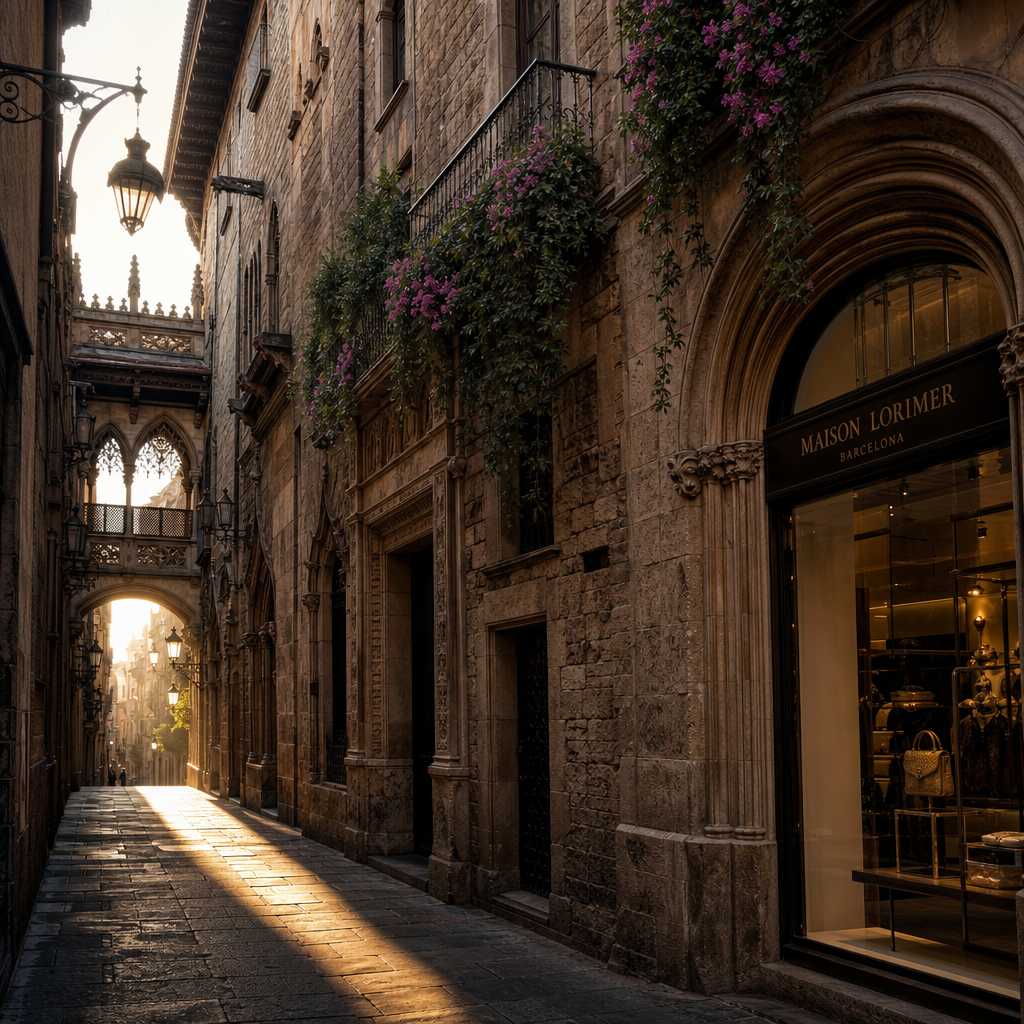
The Gothic quarter immediately surrounding the cathedral is quieter, more residential in feel, and home to the Old Town's most architecturally significant hotels. Walking these streets at 7am before the tourist traffic arrives is one of the genuinely unmissable experiences of a Palma stay. The Almudaina Palace borders this zone, and the Royal Gardens of S'Hort del Rei provide a composed green space that cuts through the stone and heat. For travelers prioritizing atmosphere over nightlife proximity, this is the correct base.
Es Puig de Sant Pere and the Arts District
This northwestern micro-zone has evolved significantly over the past decade into a credible arts and design district. The Es Baluard Museum of Modern and Contemporary Art anchors the area, and a growing number of independent galleries, concept stores, and chef-driven restaurants have followed. American travelers with strong design or contemporary art interests consistently find this area undervisited and deeply rewarding. Prices at the handful of boutique guesthouses here run slightly lower than the cathedral-adjacent properties, though the quality differential is minimal.
Pro tip: Request a room facing an interior courtyard rather than a street-facing room in any Old Town property. The acoustic difference is dramatic, and most of the best Old Town hotels have courtyard gardens that are genuinely beautiful spaces for morning coffee.
Palma Old Town Hotels: Where to Stay at the Top End
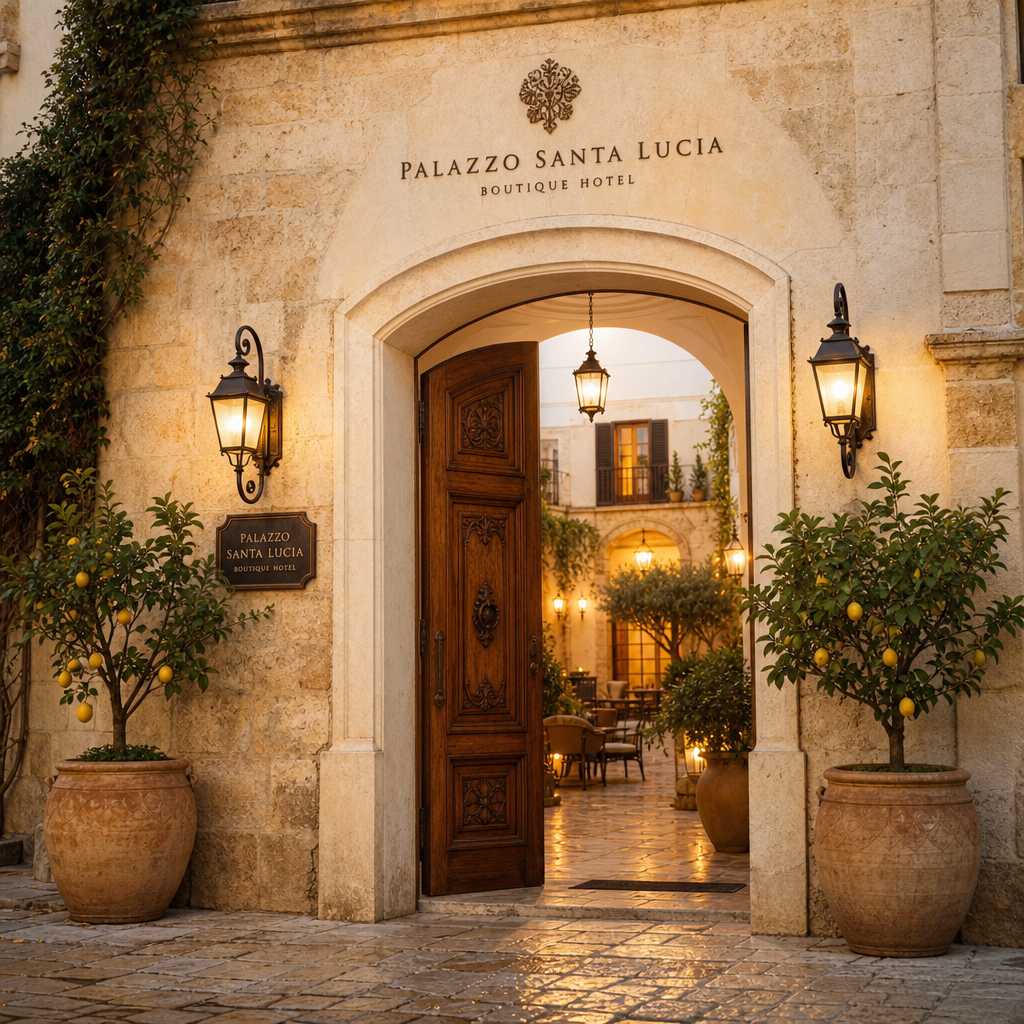
The luxury boutique hotels Palma market has matured considerably, and there are now a handful of properties that consistently deliver at the level discerning American travelers expect. The following represent the top tier by any objective standard.
Cap Rocat (Technically Nearby, Not in the Core)
Cap Rocat occupies a converted 19th-century military fortress on the Bay of Palma, approximately 15 minutes from the Old Town by car. It is technically outside the Old Town boundaries but functions as a satellite base for travelers who want Old Town access without Old Town noise. Rates begin around 700 EUR per night for standard suites. The property's fortified architecture is unlike anything else on the island, and the sea views from its terraces are exceptional.
Sant Francesc Hotel Singular
This five-star property inside a converted 19th-century neoclassical mansion on the Plaça de Sant Francesc is the Old Town's most polished luxury address for guests who want full-service amenities without the scale of a conventional grand hotel. The rooftop pool overlooks the Baroque Sant Francesc Basilica and is one of the most photographed hotel features in Palma. Suite availability is genuinely limited, and rooms with direct basilica views book 90 days out during peak season.
Concepcio CR by Nobis
The Swedish Nobis Group's Palma property is the clearest expression of Scandinavian minimalism applied to Mallorcan Gothic architecture. The result is striking rather than cold: whitewashed original stonework, curated contemporary art, and service that is efficient without being transactional. The property is particularly well-suited to American guests who value discretion and a low-key lobby atmosphere over visible status signaling.
In practice, the difference between a good stay and a great stay at any of these properties comes down to suite selection and pre-arrival communication. A concierge who has actual relationships at these properties, not just a booking portal account, can secure the specific room category and orientation that transforms the experience.
Pro tip: Ask specifically for rooms on the upper floors with cross-ventilation when booking any Old Town property in summer. Palma can reach 35°C in July and August, and natural airflow in a thick-walled historic building often outperforms air conditioning in comfort terms.
Dining and Reservations: The Tables That Actually Matter
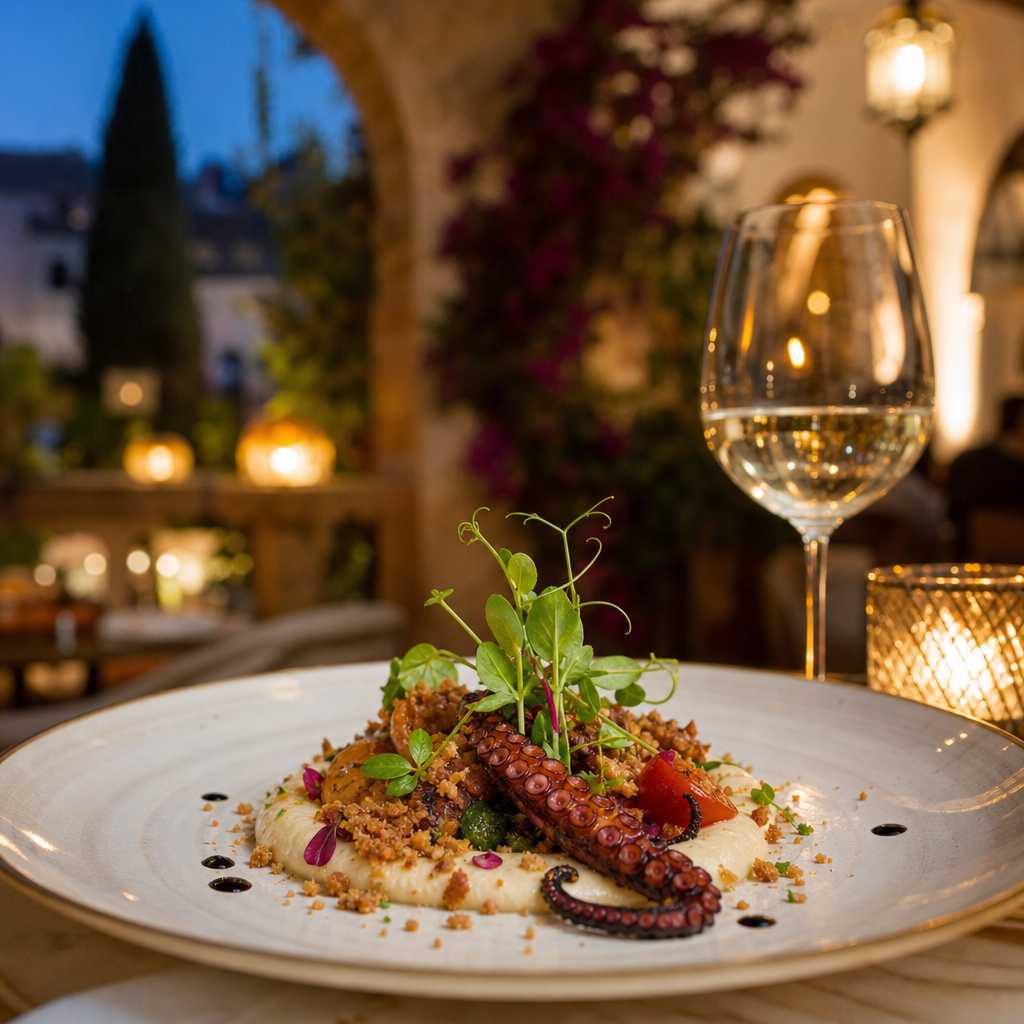
Palma's restaurant scene has undergone a genuine transformation since 2015, and the Old Town is where that transformation is most visible. The Michelin Guide now recognizes multiple Mallorca restaurants, with the concentration in Palma's Old Town representing a legitimate culinary destination rather than a pleasant surprise.
Restaurants Requiring Advance Reservations
Marc Fosh in the Hotel Convent de la Missió was the first Michelin-starred restaurant in the Balearic Islands. Chef Marc Fosh has maintained his standard for over a decade, and the set menus here represent the clearest expression of what sophisticated Mallorcan-Mediterranean cuisine looks like at its best. The restaurant is small, the tables are genuinely coveted, and walk-in availability at dinner is essentially nonexistent between May and October.
Restaurant Béns d'Avall, approximately 30 minutes north of the Old Town near Deià, deserves mention here because serious food travelers will consider it the apex dining experience in the broader Palma area. The clifftop terrace and the technical precision of chef Jaume Vicens' cooking make the drive worthwhile, but the reservation timeline is the same: book 60 days minimum in advance.
The Casual Luxury Category
Not every meal requires a tasting menu. The Old Town supports a category of restaurants that are expensive by any objective measure but feel relaxed in atmosphere. Tast Club on Carrer de la Unió operates as a members' club at dinner but accepts outside reservations at lunch. The cellar list is exceptional, and the Mallorcan market-driven menu changes frequently enough that repeat visitors eat something different each time.
"The single biggest mistake American travelers make in Palma is under-investing in the restaurant reservation process and then spending a week at fine-dining adjacent addresses that happen to have walk-in availability." - Maison Mallorca concierge team, based on client feedback across multiple seasons
Cultural Experiences Worth Your Time
The Old Town's cultural density is frequently underestimated by travelers who arrive expecting a beach-adjacent resort zone. In practice, a focused cultural itinerary of three days here competes favorably with any comparable European city quarter.
La Seu Cathedral: Beyond the Standard Visit
La Seu is the obvious starting point, but the standard visitor experience barely scratches the surface. The cathedral houses Gaudí's partial renovation of the Royal Chapel, a detail that most visitors miss entirely. The interior is best experienced in the final 90 minutes before closing when the quality of light through the rose window is at its peak. Private guided access arranged in advance allows for sections of the cathedral not open to general admission, including roof access with views over the Bay of Palma that are genuinely exceptional.
Es Baluard Museum and Contemporary Art Scene
Es Baluard Museum of Modern and Contemporary Art occupies a converted 16th-century bastion and holds a serious permanent collection including works by Picasso, Miró, and Barceló alongside Mallorcan artists who deserve far wider recognition. The museum's relationship to the Old Town's emerging gallery scene creates a coherent contemporary art circuit that takes a full afternoon to explore properly.
The Palau March Museum
This is the most undervisited major cultural site in the Old Town. The private art collection of the March banking family, including sculptures by Henry Moore, Rodin, and Barbara Hepworth installed in an open-air terrace overlooking the cathedral, occupies a 17th-century palace directly opposite La Almudaina. Entry is inexpensive and the crowds are minimal even in peak season. For American travelers with serious art backgrounds, this is the highest-density surprise in Palma.
Comparison of Luxury Stay Approaches in Palma Old Town
American travelers planning a Palma itinerary typically face three distinct stay configurations. The right choice depends on priorities around privacy, access, and the balance between city immersion and island exploration.
Stay Approach
Best For
Key Trade-Off
Full-time luxury boutique hotel in Old Town (e.g., Sant Francesc, Concepcio)
Travelers prioritizing walkable access to dining, culture, and the marina. First-time visitors to Palma who want to understand the city deeply.
Limited outdoor space, no private pool in most cases. Street noise can be an issue in lower-floor rooms. Less suitable for families with young children.
Private villa base with Old Town day trips (e.g., villa in the Tramuntana foothills or southwest coast)
Families, multi-generational groups, or travelers who want privacy and outdoor space as their primary environment with Old Town access as a secondary experience.
Requires reliable transport (private driver recommended). Old Town dining reservations still need to be made weeks in advance. The commute adds friction to spontaneous evening decisions.
Split stay: Old Town hotel for first 3-4 nights, villa or coastal property for remainder
The most consistently recommended configuration for discerning American travelers spending 7-10 nights on the island. Captures city immersion and rural or coastal tranquility in sequence.
Requires careful luggage logistics and two-phase concierge management. Transition day typically loses half a day of productive activity time.
The split-stay model is what Maison Mallorca most consistently recommends for first-time visitors with 7 or more nights. The Old Town delivers its value in the first three to four days; after that, the island's rural interior and northern coast offer experiences that the city simply cannot replicate. A concierge service that manages both phases cohesively eliminates the organizational friction that makes split stays feel disjointed when self-managed.
Practical Logistics for High-End Travelers
Palma's Old Town is not designed for cars. The streets are narrow, parking is essentially nonexistent for casual visitors, and most hotel properties have no on-site parking at all. This is not a problem if you plan for it. It becomes a genuine source of frustration if you arrive expecting the logistics model of a conventional resort destination.
Arrival and Ground Transportation
Private transfer from Palma Son Sant Joan Airport to Old Town hotels takes approximately 20-25 minutes in normal traffic, longer on summer weekend afternoons when the access road from the airport backs up. Booking a dedicated private driver for the full stay rather than relying on taxis or ride-share apps is the correct approach for guests at Old Town properties. Uber operates in Palma but its availability is inconsistent during peak demand periods, which consistently catches American travelers off guard.
Best Timing for Old Town Exploration
The Old Town operates on a rhythm that rewards early risers. The streets between La Seu and Plaça Major are genuinely quiet before 9am and transform into dense tourist traffic corridors by 11am in high season. Serious architectural and cultural exploration is a morning activity. The afternoon hours from 2pm to 6pm are best spent at the hotel rooftop, a private beach club access, or an arranged yacht excursion. The evening energy from 8pm onward is the Old Town at its most appealing.
Currency, Tipping, and Payment Expectations
Spain operates on euro currency, and American credit cards are accepted broadly at luxury properties and restaurants. However, a common mistake American travelers make is assuming the American 20% tipping norm applies. Spanish tipping culture is more discretionary, with 5-10% at fine dining establishments being generous by local standards. Overtipping is not offensive but it does signal inexperience rather than generosity to local staff.
Pro tip: Ask your concierge to pre-arrange a standing private driver relationship for the duration of your stay. A driver who knows Old Town drop-off points, can navigate to the best beach clubs outside the city, and can be reached directly eliminates the single biggest logistical headache American travelers report in Palma.
Frequently Asked Questions
What is the best time of year for Palma Mallorca luxury travel?
May, June, and September are the optimal months for high-end travelers. Weather conditions are nearly identical to July and August, with average temperatures between 22°C and 28°C, but hotel and restaurant availability is substantially better and pricing is 25-40% lower. The beaches are uncrowded in May and September, which is significant for guests planning day trips to the island's northern coast or Formentor peninsula.
How far in advance should I book luxury boutique hotels in Palma Old Town?
For the top-tier properties including Sant Francesc, Concepcio by Nobis, and Hotel Convent de la Missió, book a minimum of 90 days in advance for summer travel. Specific suite categories, particularly those with cathedral views or rooftop terrace access, can be fully reserved six months out. Attempting to book within 30 days of a July or August arrival will result in a significantly reduced selection at elevated prices.
Is Palma's Old Town safe for walking at night?
Palma's Old Town is among the safest urban environments in the Mediterranean for late evening walking. Petty theft targeting tourists is the primary risk and is concentrated around crowded daytime markets rather than evening restaurant and bar areas. Standard urban precautions apply, but the area does not require the level of vigilance appropriate to larger European city centers. The evening atmosphere from 9pm to midnight is relaxed and genuinely pleasant.
Can a luxury travel concierge actually get better restaurant reservations than I can book myself?
Yes, and the difference is material rather than marginal. The top Palma Old Town restaurants maintain relationships with concierge contacts at preferred hotels and travel management companies. These contacts receive advance notice of cancellations and hold small allocations of prime tables that never appear on public booking platforms. For Michelin-starred restaurants during peak season, the gap between self-managed booking and concierge-managed booking represents the difference between eating at the table you want and eating at a comparable but secondary address.
What distinguishes Maison Mallorca from other villa rental services for Old Town experiences?
Generalist villa rental platforms including competitors in the market focus primarily on property transactions. Maison Mallorca's model is fundamentally different in that the Old Town experience, including restaurant reservations, private cultural access, and in-city logistics, is managed as part of a unified trip rather than added on as an afterthought. American travelers with specific preferences, dietary restrictions, cultural interests, or family configurations need those details woven through every element of the trip rather than handled in isolation. That integration is what a full-service concierge provides and what a property search engine cannot replicate.
Are private yacht charters accessible from Palma Old Town?
The Real Club Náutico de Palma marina is a 10-minute walk from the core of the Old Town, making it the most convenient departure point on the island for day charters. A full-day private yacht charter departing from Palma can reach the Es Trenc beaches on the southern coast, anchor at the Cala Figuera inlet, or cross to Cabrera National Park depending on the group's preference and the charter vessel's range. Half-day sunset charters departing from Palma marina are a particularly strong choice for travelers staying in the Old Town who want a water experience without losing a full day ashore.
If you have spent time in Palma's Old Town as a luxury traveler, we would value your perspective on which neighborhoods and properties delivered the most genuine surprise. Share your experience in the comments below or reach out to the Maison Mallorca team directly.