The insider's guide to renting a private Mallorca finca in the Tramuntana Mountains. Booking timing, costs, legal checks, and how to find off-market luxury properties.
Renting a Private Finca in the Tramuntana Mountains
The insider's guide to renting a private Mallorca finca in the Tramuntana Mountains. Booking timing, costs, legal checks, and how to find off-market luxury properties.
Insider Guide
Most travelers who search for a Mallorca finca rental end up overwhelmed by listing platforms that show identical stone farmhouses at wildly different price points, with no real guidance on what separates a memorable stay from an expensive disappointment. The Tramuntana Mountains, a UNESCO World Heritage Site since 2011, contain some of the most extraordinary private estates on the Mediterranean, yet fewer than 15% of the best properties ever appear on mainstream booking sites. If you are planning a serious Mallorca trip and want the finca experience done properly, the information below will save you weeks of misdirected research.
Tramuntana fincas fall under strict heritage protection rules, meaning construction and renovation standards are tightly controlled. Authentic stonework and landscape preservation are legally required, not marketing claims.
The best properties are off-market
Fewer than 15% of premium Tramuntana fincas appear on platforms like Airbnb or Booking.com. The finest estates are placed exclusively through specialist concierge services or private networks.
July and August are not always the best months
June and September offer similar weather, lower rates by 20-30%, and far fewer crowds on mountain roads and village restaurants. For most American travelers, late September is the single best week of the Mallorcan calendar.
Access logistics matter as much as the property itself
Many Tramuntana fincas sit on single-lane mountain roads that require confident driving or private transfers. Always confirm road access before booking, especially for groups arriving with multiple large vehicles.
Spanish tourist license requirements have tightened sharply
Since 2018, the Balearic Islands government has capped new vacation rental licenses. A property without a valid ETV license (Estancia Turistica en Vivienda) exposes both host and guest to substantial fines.
Concierge integration multiplies the value of your stay
A finca without pre-arranged private chef, grocery stocking, and local transport is just an empty house. The difference in experience between an arranged stay and a self-managed one is significant at the luxury level.
Pool heating is not standard in mountain properties
Tramuntana altitudes mean pool temperatures can drop sharply even in June and October. Always confirm heated pool availability before booking if swimming is a priority during shoulder season.
What Makes Tramuntana Fincas Different From the Rest of Mallorca
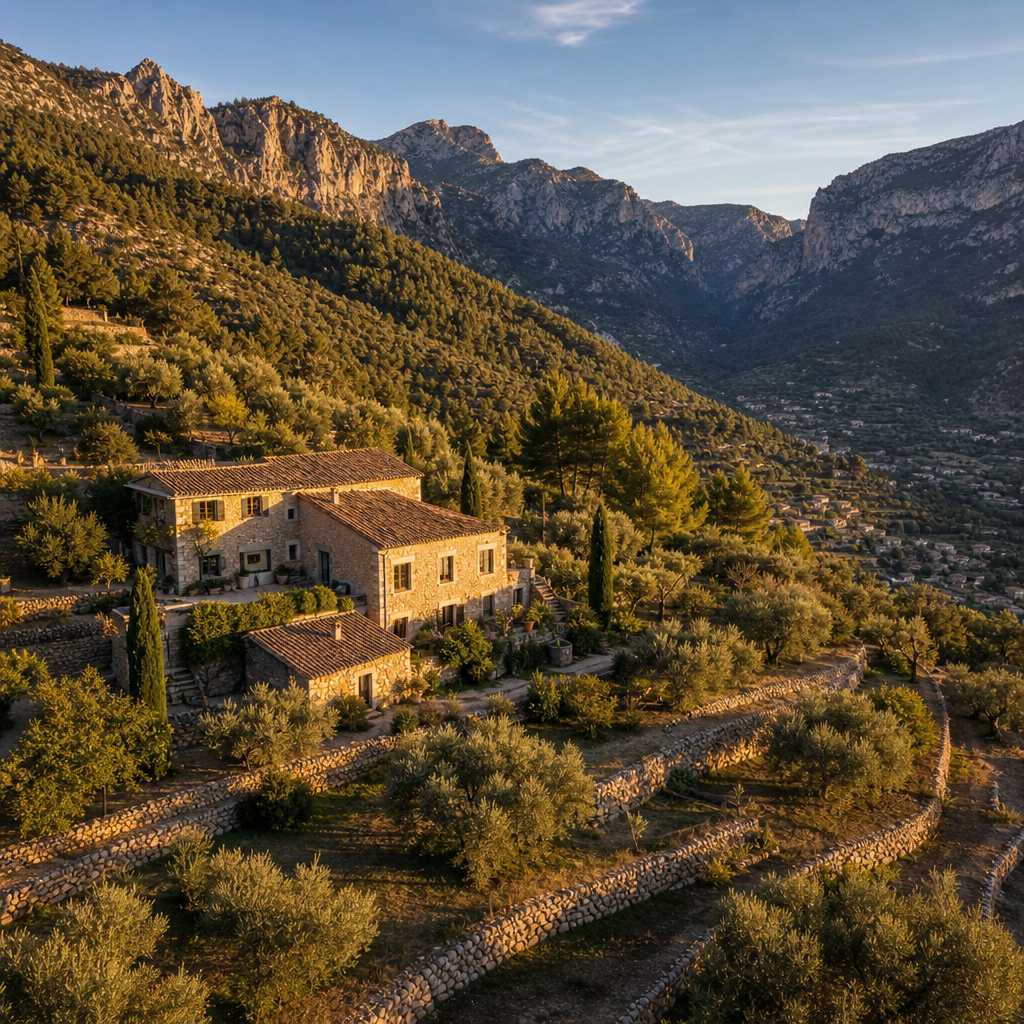
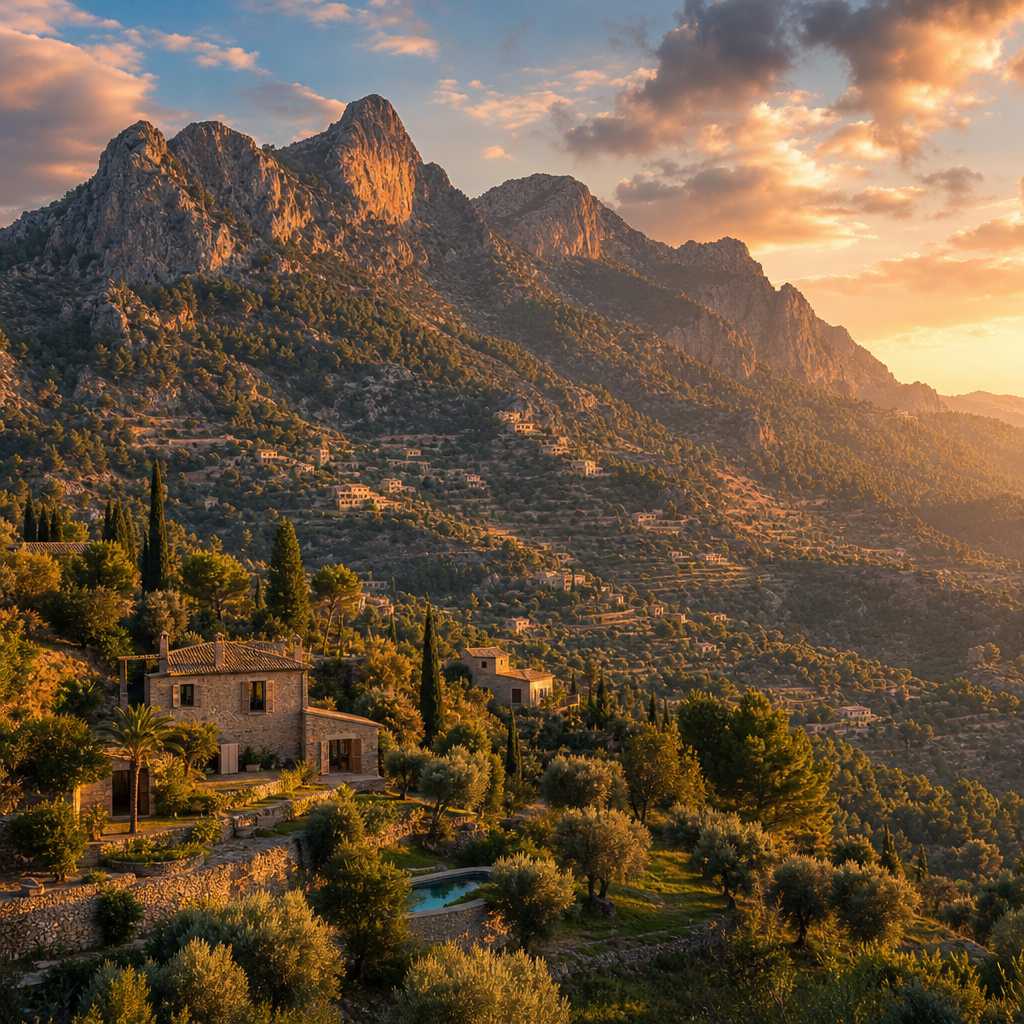
The Tramuntana range runs 90 kilometers along the northwestern spine of Mallorca, rising to 1,445 meters at Puig Major. Fincas here are not beach villas with a mountain backdrop. They are working estate properties, many with centuries of agricultural history, that have been converted into private residences with a level of architectural integrity rarely found elsewhere on the island.
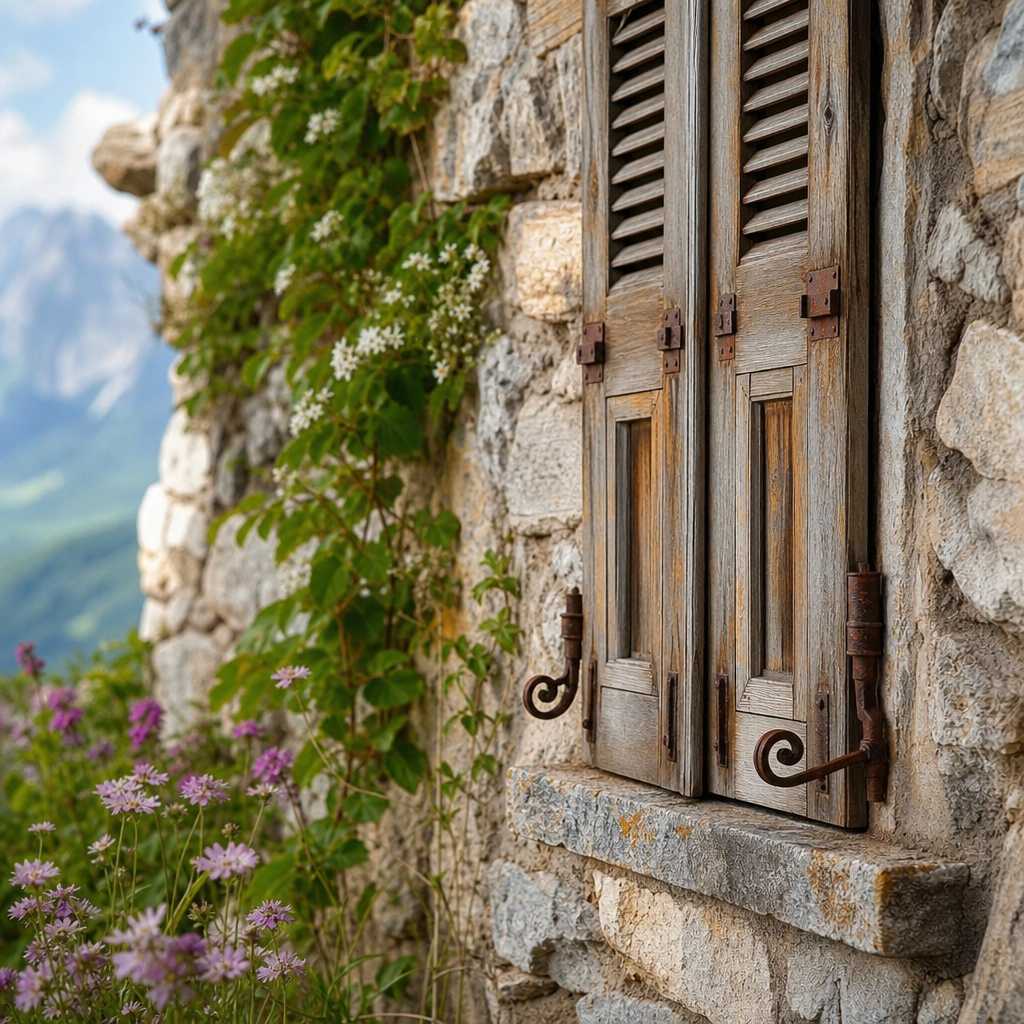
The stone construction typical of a Tramuntana finca is marès, a local sandstone that naturally regulates interior temperature. Thick walls, vaulted ceilings, and deep-set windows mean these properties stay genuinely cool in August without industrial air conditioning running all day. That physical quality is not replicable in a modern villa on the Palma coast.
UNESCO's 2011 World Heritage designation for the Cultural Landscape of the Serra de Tramuntana specifically recognizes the ancient terraced agricultural systems, the dry-stone walling craft, and the water management infrastructure that characterize the region. Staying in an authentic Tramuntana finca means living inside that designation, not just looking at it from a restaurant terrace.
In practice, this also means the surrounding landscape is genuinely protected. You will not arrive at a beautiful stone finca and find a development project starting next door. That protection is a real and underappreciated advantage for travelers who have been burned by coastal villa rentals that looked isolated in photographs but were not.
The Right Time to Book a Tramuntana Finca
The single most common mistake American travelers make when planning a Mallorca trip is treating it like a Caribbean booking, where you can plan three months out and still find good availability. Premium Tramuntana fincas for July and August are typically fully reserved by January of the same year, and the very best properties are often locked up by October of the previous year.
For a high-quality Tramuntana finca rental in peak season, start conversations with a specialist concierge in September or October for travel the following summer. If you are reading this in March hoping to book a quality property for July, your options will be limited, and you will pay a premium for whatever remains.
Shoulder Season as a Deliberate Strategy
September is the most underrated month on the Mallorcan calendar for American travelers. Daytime temperatures average 27 degrees Celsius, the sea is at its warmest, restaurant reservations are achievable, and the mountain roads are navigable without summer traffic. Property rates drop 20 to 30 percent compared to August peaks at many estates.
May is similarly compelling for travelers who prioritize the almond and wildflower landscape over swimming. A Tramuntana finca in May, surrounded by terraced olive groves in full growth, is a genuinely different aesthetic experience from summer. Many long-term Mallorca visitors consider May their preferred month after several summer trips.
Pro tip: If you book a shoulder season stay at a finca with a pool, always confirm in writing whether the pool is heated and at what cost. Many mountain properties only heat pools on request, and the overnight temperature differential in the Tramuntana can make an unheated pool unusable in early June or late October.
Location Zones Within the Tramuntana: Where to Base Yourself
The Tramuntana is not a single homogeneous area. The character, accessibility, and experience of renting a finca shifts considerably depending on which zone you choose. Most travelers with limited Mallorca knowledge default to Deià or Valldemossa because those names appear most frequently in travel media. Both are excellent but they are not automatically the right choice for every traveler.
Deià and Surrounding Estates
Deià is the most internationally recognized village in the Tramuntana, favored by artists, writers, and a specific subset of European and American luxury travelers since the mid-twentieth century. Robert Graves lived here for decades, and the village retains a culturally serious atmosphere that distinguishes it from purely resort-oriented destinations.
Fincas in and around Deià command the highest per-night rates in the Tramuntana, often ranging from 2,500 to 8,000 euros per night for properties sleeping 10 to 16 guests. Access to La Residencia hotel's facilities, proximity to Cala Deià for swimming, and the concentration of serious restaurants in the immediate area justify the premium for many travelers.
Sóller Valley and the Northern Tramuntana
The Sóller valley offers a completely different experience. The town is serviced by the historic Palma-Sóller railway (operating since 1912) and offers a more genuinely local atmosphere than Deià. Fincas in the Sóller area tend to be larger working estates surrounded by orange groves, with more space and privacy than the cliff-facing properties closer to Deià.
For American families or groups who want operational space, multiple pool areas, and a connection to the island's agricultural traditions rather than its bohemian literary history, Sóller-area fincas often deliver better value per square meter.
Pollença and the Northern Edge
Pollença sits at the northern end of the Tramuntana and has a distinctly different character: more Catalan in feel, with a strong local cultural calendar, excellent walking trails in the Cap de Formentor area, and proximity to the protected Albufera wetlands. Fincas here tend to be more affordable than Deià equivalents while still offering full mountain character. This zone suits travelers who want Tramuntana atmosphere with easier road access to the north coast beaches.
What to Look For in a Luxury Finca Rental
When assessing a specific property, most travelers focus on the photographs. That is understandable but insufficient. A Tramuntana finca photograph can be taken with a wide-angle lens on a cloudless morning in a way that makes a cramped, poorly maintained property look spectacular. The characteristics that actually determine whether a stay is excellent or frustrating are mostly not visible in listing images.
Legal Licensing
Confirm the property holds a valid ETV (Estancia Turistica en Vivienda) license issued by the Balearic Islands Tourism Authority. Since the 2018 Balearic rental law tightened regulations, unlicensed properties face fines of up to 40,000 euros, and guests in those properties can be asked to vacate. A reputable specialist will never place clients in an unlicensed property. Any listing that cannot provide a license number on request should be treated as a red flag without exception.
Staff and Service Infrastructure
A luxury villa Mallorca rental at the highest level comes with a dedicated property team: a housekeeper, a caretaker, and access to a private chef either on a daily or on-call basis. The finca should have an established relationship with local suppliers for daily grocery provisioning, fresh flowers, and any dietary requirements you specify in advance.
In practice, many properties marketed as luxury have minimal staff infrastructure. This becomes apparent the moment something goes wrong: a pool pump fails, the WiFi stops working, or a guest has a specific food requirement that nobody is prepared to handle. Confirm staffing arrangements explicitly before signing any rental agreement.
Technical Infrastructure for Longer Stays
Many historic fincas have had WiFi, satellite television, and kitchen appliances retrofitted into structures that were built before any of those technologies existed. The quality of this integration varies enormously. For American travelers accustomed to reliable high-speed internet, ask specifically about upload and download speeds rather than accepting a general assurance that WiFi is available. Remote mountain locations sometimes operate on cellular boosters with limited bandwidth that handles casual browsing but fails under video conferencing demands.
Comparing Booking Approaches for High-End Finca Rentals
There are three distinct ways to book a premium Tramuntana finca, and they are not equivalent in outcome. The table below outlines the meaningful differences across the approaches most commonly used by American travelers in the luxury segment.
Booking Approach
Access to Best Properties
Service and Problem Resolution
General listing platforms (Airbnb, Vrbo, Booking.com)
Limited to properties whose owners opt into these platforms. The finest estates rarely appear here. Price transparency is high but inventory quality is inconsistent and unvetted at the luxury level.
Platform customer service handles disputes but has no on-island capability. If something goes wrong on a Friday evening in Deià, platform support cannot send someone to fix it.
Specialist villa rental agencies (villasofmallorca.com, mallorcavillas.com)
Broader access than general platforms, with some exclusive listings. However, inventory is often static, and agency staff may not have personally stayed in or inspected every property they list.
Phone and email support, sometimes with local contacts. Response times and local authority vary significantly by agency. Service tends to end at the point of booking rather than continuing through the stay.
Full-service luxury concierge (Maison Mallorca)
Access to off-market and exclusively held properties not available through any public platform. Properties are personally inspected and vetted. Client profile is matched to property character rather than simply matched to a search filter.
24/7 on-island support throughout the stay. A dedicated contact with genuine local authority can resolve infrastructure issues, restaurant emergencies, or itinerary changes in real time, not via a ticket system.
The data consistently shows that travelers who use full-service concierge models for high-end rentals report significantly higher satisfaction than those who self-book through listing platforms, particularly when issues arise mid-stay. According to Statista's 2023 travel industry data, personalized service quality is the primary driver of luxury travel rebooking decisions, outranking price and destination factors.
Pro tip: When comparing concierge services for a Tramuntana finca rental, ask specifically how many properties in the Tramuntana the agency has personally visited in the last 12 months, and whether they have a physical team member based on the island. Agencies that cannot answer both questions directly are operating from a distance, regardless of how their website presents them.
Costs and What Actually Drives the Price
Tramuntana finca rental costs span a wider range than most travelers expect. A realistic budget breakdown for a high-quality stay helps avoid the anchoring mistake of comparing properties purely on headline nightly rates.
Base Rental Rates by Property Category
Entry-level quality fincas in secondary Tramuntana locations (outside Deià and Sóller centers) typically start around 800 to 1,200 euros per night for properties sleeping 8 to 10. Mid-tier properties in premium zones with full staff infrastructure range from 2,000 to 4,000 euros per night. The top tier, meaning properties with private pools, extensive grounds, historic architectural significance, and dedicated household staff, runs from 4,000 to 10,000 euros per night.
These rates are for the property itself. They do not include private chef services (typically 300 to 600 euros per day for a professional chef with shopping), private transfers from Palma airport (180 to 350 euros one way for a premium vehicle), yacht charter add-ons, or restaurant reservation fees at the island's most exclusive establishments.
What Drives Premium Pricing Beyond Square Footage
The variables that push a Tramuntana finca into the higher price brackets are not primarily size. They are provenance (documented historical significance of the estate), landscape position (sea view fincas command 40 to 60 percent premiums over equivalent inland properties), and service infrastructure quality. A finca with a dedicated household couple who have managed the property for a decade is worth substantially more than an equivalent property with seasonal casual staff, and experienced travelers at this level understand that distinction.
"The Tramuntana is not simply a scenic backdrop. It is one of the last places in the Mediterranean where the relationship between landscape, architecture, and agricultural tradition has survived largely intact. That integrity is what makes these properties genuinely irreplaceable." - UNESCO World Heritage Committee, Cultural Landscape of the Serra de Tramuntana documentation, 2011
Integrating Your Finca Stay With Wider Mallorca Experiences
A Tramuntana finca is a base, not a destination in isolation. The travelers who get the most from these stays are those who have pre-arranged an itinerary that connects the finca to the broader island experience in a coherent way.
From a Deià or Sóller base, a private yacht charter departing from Port de Sóller can reach the sea caves of Sa Calobra or the hidden cove of Cala Tuent within 40 minutes. These locations are inaccessible by road in any reasonable time and are among the most dramatic coastal landscapes in the western Mediterranean. Booking a private day charter from this departure point is one of the most distinctive experiences available to guests staying in the northern Tramuntana.
The island's golf landscape, concentrated primarily in the southern and central regions around Santa Ponsa, Son Gual, and Son Muntaner, is a legitimate full-day excursion from a Tramuntana finca. Tee times at Son Gual, consistently ranked among Spain's top ten courses, require advance arrangement, particularly for American travelers arriving in July or August when demand from European golfers is at its highest.
Cultural experiences specific to the Tramuntana include guided visits to the Carthusian monastery at Valldemossa (where Chopin and George Sand wintered in 1838), the ancient olive mill at Alfàbia, and the traditional craft workshops in Artà that produce the handwoven rugs and ceramics that are among the island's most authentic souvenirs. None of these experiences require tourist infrastructure to arrange, but all of them benefit from a local contact who can ensure access during periods of high demand.
For spa services, several Tramuntana properties have private wellness facilities on-site. For those that do not, the spa at La Residencia in Deià, the Cap Rocat wellness center near Cala Blava, and the Six Senses Ibiza (reachable by private ferry for a day excursion) represent the regional benchmark for high-end treatment quality. All require reservation well in advance for peak season dates.
Maison Mallorca's full concierge service coordinates all of these elements as a single curated itinerary rather than a series of separately negotiated bookings. That integration is what separates a genuinely exceptional Mallorca trip from a collection of good individual experiences that do not quite cohere into a whole.
Frequently Asked Questions
What is the minimum stay for most Tramuntana finca rentals?
Most premium Tramuntana fincas require a minimum stay of 7 nights during July and August. In shoulder season months (May, June, September, October), many properties accept 4 to 5 night minimums, and a small number of estates offer 3-night stays in low season. Attempting to book 2-night stays at high-quality fincas is generally not productive and tends to result in access only to lower-tier properties where owners have more availability to fill.
Do I need an international driving license to rent a car and access Tramuntana fincas?
American travelers can use a valid US driving license in Spain for up to 6 months. An International Driving Permit is not legally required but is recommended if your license does not include a photograph or is issued in a state that uses a non-standard format. More practically, many Tramuntana roads are genuinely narrow and require confident mountain driving. Travelers who are not comfortable on single-lane switchback roads should arrange private transfers rather than self-drive, particularly for evening arrivals.
Can I bring a private chef into a rented finca, or does the property supply one?
Most premium finca rentals do not include a private chef in the base rental rate. Chefs are arranged separately, either directly or through a concierge service. A good private chef for a Tramuntana stay will source ingredients from the Mercat de l'Olivar in Palma, the Sóller market, and direct relationships with local producers. Always arrange the chef through a vetted recommendation rather than a general listing, as quality variation in the Mallorca private chef market is significant.
How far in advance should American travelers book a Tramuntana finca for summer?
For July and August travel, start the process no later than October of the previous year if you want genuine choice at the premium level. The very best properties, meaning those with documented heritage character, sea views, full staff infrastructure, and heated pools, are often committed by September of the prior year through repeat clients and concierge relationships. Travelers who begin searching in March or April for the same summer will typically find either secondary properties or significantly higher rates on anything that remains.
Are Tramuntana fincas suitable for large family groups or multi-generational travel?
Yes, and this is actually one of the formats where Tramuntana fincas deliver their strongest value. Many estates can sleep 14 to 20 guests across main house and guest cottage configurations, providing genuine privacy for different family units while sharing common spaces and a private pool. The per-person nightly cost at this group size often becomes competitive with luxury hotel room rates, while the experience of a private estate with dedicated staff is categorically different. Confirm early whether a property's kitchen and dining infrastructure can genuinely support large group catering.
What should I watch for in a Tramuntana finca rental contract?
Three clauses warrant particular attention. First, the security deposit structure: premium properties hold deposits of 3,000 to 10,000 euros and the return timeline and damage assessment process should be clearly specified. Second, cancellation terms: many high-end fincas operate on non-refundable or 50% refundable policies beyond a certain date, and travel insurance that covers rental accommodation costs is strongly recommended. Third, confirm that the contract references the property's ETV license number directly. Any contract that does not include this is a warning sign regardless of how professional the surrounding documentation appears.
Have you rented a finca in the Tramuntana, or are you in the planning stages? Share what questions came up in your search, and what you wish you had known earlier.