Plan the perfect two-week Mallorca luxury itinerary with expert guidance on private villas, yacht charters, Michelin dining, and cultural experiences.
The Perfect Two-Week Mallorca Luxury Itinerary
Plan the perfect two-week Mallorca luxury itinerary with expert guidance on private villas, yacht charters, Michelin dining, and cultural experiences.
Insider Guide
Most affluent travelers who arrive in Mallorca without a proper plan spend their first three days recovering from the friction of figuring it out on the fly. A well-constructed Mallorca luxury itinerary for two weeks is not a rigid schedule, it is a curated framework that reserves the best villas before they sell out in March, secures restaurant tables that require connections to book, and sequences yacht routes so you catch the right coves at the right tides. This guide is built from direct on-island experience and is designed specifically for American travelers who expect world-class service without the guesswork.
The best private residences with pools, sea views, and staff in the Tramuntana or southwest coast are fully reserved by late February for July and August travel.
Structure the itinerary by region, not by day
Moving across Mallorca every day is exhausting and inefficient. Anchor in three to four zones for three to four nights each to experience depth, not just checkboxes.
A yacht charter unlocks access no land route can match
Cala Varques, Cala Bota, and the sea caves near Coves del Drach are only accessible or best experienced by private boat. A three-day yacht segment transforms the second half of any trip.
Michelin-starred tables in Palma require advance reservations
Restaurants like Dins Santi Taura and Marc Fosh require reservations made weeks in advance, and the best tables require a personal introduction from a concierge with local relationships.
The Tramuntana is a UNESCO World Heritage Site worth two full days
Most travelers rush through it. Slowing down to hike the GR221 route segment near Valldemossa or visit a private finca olive grove is what separates a memorable trip from a forgettable one.
Golf in Mallorca rivals Marbella at a fraction of the crowd
Courses like Golf Son Gual and T-Golf offer championship-level play. Booking a private caddy through a concierge service adds a professional layer most self-booked travelers miss entirely.
American travelers often underestimate transfer logistics
Palma airport to a remote finca in the northeast can take over ninety minutes. Private car transfers booked in advance, especially with meet-and-greet service, eliminate the single biggest friction point of arrival day.
When to Go and How to Structure Two Weeks
The honest answer for American travelers asking about timing is this: late May, early June, and September are objectively superior to July and August for a luxury experience. Peak summer brings crowds to the most photographed beaches and waitlists at popular restaurants. The shoulder months offer nearly identical weather, dramatically calmer seas for yachting, and a more authentic version of the island.
According to Statista, international tourist arrivals to the Balearic Islands exceed 13 million annually, with the vast majority concentrated between July 1 and August 31. A two-week Mallorca vacation that runs from late May through early June sidesteps that volume entirely while still enjoying 25 to 28 degree Celsius temperatures and fully operational restaurants and beach clubs.
In practice, the smartest structure for two weeks divides the island into four distinct zones: Palma and the southwest coast for days one through four, the Tramuntana mountain region for days five through eight, a yacht charter covering the east and southeast coast for days nine through eleven, and the northeast for the final three days. This sequence follows a natural geographic arc and avoids the mistake of crisscrossing the island repeatedly.
Pro tip: Schedule your arrival flight to land before noon on day one. Palma airport is only twenty minutes from the city center, and arriving early gives you a full afternoon to settle into your villa, take a first swim, and dine without jet lag dominating the experience. A private meet-and-greet transfer arranged through a concierge service makes the transition seamless from the moment you land.
Choosing the Right Luxury Villa
The villa is not just where you sleep. For a two-week stay, it is your base, your dining room on slow evenings, your pool deck at noon, and the place your family or group returns to every night. Getting it wrong compounds across fourteen days in a way that a bad hotel room never would.
Villa Zones That Actually Deliver on the Promise
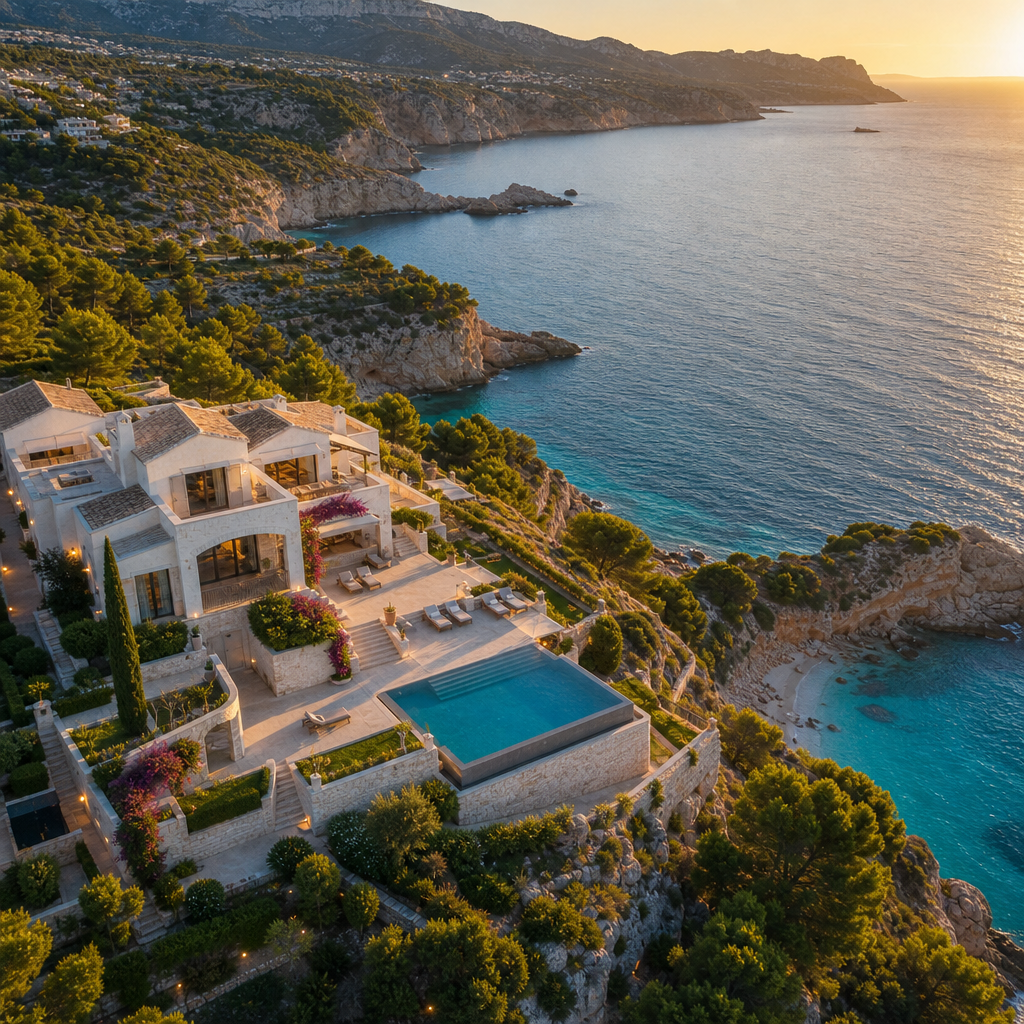
The southwest coast between Andratx and Calvia offers the highest concentration of architecturally significant private estates with direct sea access. Properties in this corridor typically feature infinity pools, private boat moorings, and full domestic staff including private chefs. For families traveling with children, the flatter terrain and proximity to Palma services make this zone the most practical anchor point.
The Tramuntana foothills around Deià and Soller attract a more culturally engaged traveler. Villas here are often historic finca conversions with terraced gardens, olive groves, and mountain views. The tradeoff is that beach access requires a short drive, and the winding roads demand either a confident driver or a dedicated private driver arranged through your concierge.
What the Villa Listing Never Tells You
A common mistake is booking a villa based on photographs alone. In practice, the quality of the domestic staff, the reliability of the air conditioning system in a stone-walled finca, the strength of the WiFi signal, and the proximity to the nearest well-stocked supermarket are what determine daily comfort. These details are only known to someone who has actually stayed at or vetted each property personally.
Maison Mallorca's villa selection process involves physical inspections of every property offered to clients. That is not standard practice among generalist travel agencies or property listing platforms, and it is precisely the gap that leads to disappointed travelers posting reviews about properties that looked perfect online.
"Mallorca's luxury property market has matured significantly over the past decade, with ultra-high-net-worth buyers and renters now expecting the same service standards they find in Aspen or Saint-Tropez. The difference is that Mallorca delivers it at a scale and with an authenticity those destinations can no longer offer." - Property analyst quoted in Forbes Travel coverage of the Balearic Islands market
Days One Through Four: Palma and the Southwest
Palma is one of the most underrated capital cities in the Mediterranean. American travelers often treat it as a transit point, which is a serious miscalculation. The old city, centered on the Gothic cathedral La Seu and the Arab Baths, warrants a full day of exploration on foot. The Born neighborhood is where you find the best independent boutiques, and the Santa Catalina market district hosts the kind of casual lunch spot that has no presence online but has served the same crowd for forty years.
Day One: Arrival, Villa Check-In, First Dinner in Palma
Use day one for orientation. After your private transfer from the airport and villa check-in, take two hours to walk the harbor front from the Real Club Nautico toward the Parc de la Mar. The view of La Seu reflected in the park's artificial lake at late afternoon is one of those images that does not need a filter. For dinner on night one, make a reservation at Marc Fosh in the Convent de la Missió boutique hotel. It is the kind of Michelin-starred Mallorcan-Mediterranean menu that resets your expectations for what the rest of the trip will taste like.
Days Two and Three: Southwest Coast Beaches and Private Boat Day
The southwest coast between Magaluf and Andratx, specifically the stretch from Portals Nous to Puerto Portals, is where the yacht scene concentrates. Day two should include a morning at Cala Llamp, a privately accessible cove near Port d'Andratx that requires a boat to reach comfortably, followed by lunch at the port itself. Day three works well as a half-day private boat charter from Puerto Portals, heading south toward the uninhabited island of Sa Dragonera. The marine reserve surrounding it makes for exceptional snorkeling and the kind of complete silence that is genuinely rare in high season.
Day Four: Palma Cathedral, Bellver Castle, and a Private Cooking Class
Dedicate the morning of day four to the interior of La Seu, which requires a ticketed entry and is worth every minute. The afternoon is the ideal slot for a private Mallorcan cooking class, best arranged through a concierge who has relationships with local chefs willing to host small groups in their homes rather than in commercial kitchen schools. The difference in experience quality is not minor.
Pro tip: Puerto Portals has some of the best people-watching in the Mediterranean, but its restaurant strip is largely overpriced for the quality. Your concierge can direct you to the two or three spots that serve the local boating community and charge half the price for better food.
Days Five Through Eight: Tramuntana Mountains and Private Estates
The Serra de Tramuntana mountain range running along Mallorca's northwest coast was designated a UNESCO World Heritage Cultural Landscape in 2011. This is not a marketing designation, it reflects a genuinely extraordinary combination of terraced agriculture, dry stone architecture, historic Arab waterworks, and a coastline so dramatic it regularly stops conversations mid-sentence.
Deià: Where Artists and Billionaires Have Always Agreed
The village of Deià has attracted writers, painters, and wealthy second-home owners since Robert Graves settled there in 1929. The village itself takes twenty minutes to walk end to end, but the quality of time spent there is disproportionate to its size. The cove beach Cala Deià is a twenty-minute walk down a steep path and is one of the few genuinely uncrowded swims available in peak season. La Residencia, now a Belmond property, is the hotel standard against which every other Tramuntana property measures itself.
Valldemossa and the Chopin Connection
Frederic Chopin and George Sand spent the winter of 1838 to 1839 at the Real Cartuja monastery in Valldemossa. The monastery is now a museum and worth two hours of your time. More importantly, the village around it hosts one of Mallorca's best weekly markets and a handful of restaurants serving the kind of slow-roasted lamb and sobrasada dishes that define traditional Mallorcan cuisine at its finest.
For days five through eight, anchor your stay in a private finca in the Soller valley or the hills above Deià. The Soller Valley is one of the most visually complete landscapes in the western Mediterranean, with orange and lemon groves running from the mountains to the sea at Port de Soller. A private villa here with a pool and chef gives you the ability to do nothing spectacularly well, which is itself a luxury.
Days Nine Through Eleven: Private Yacht Charter Around the East Coast
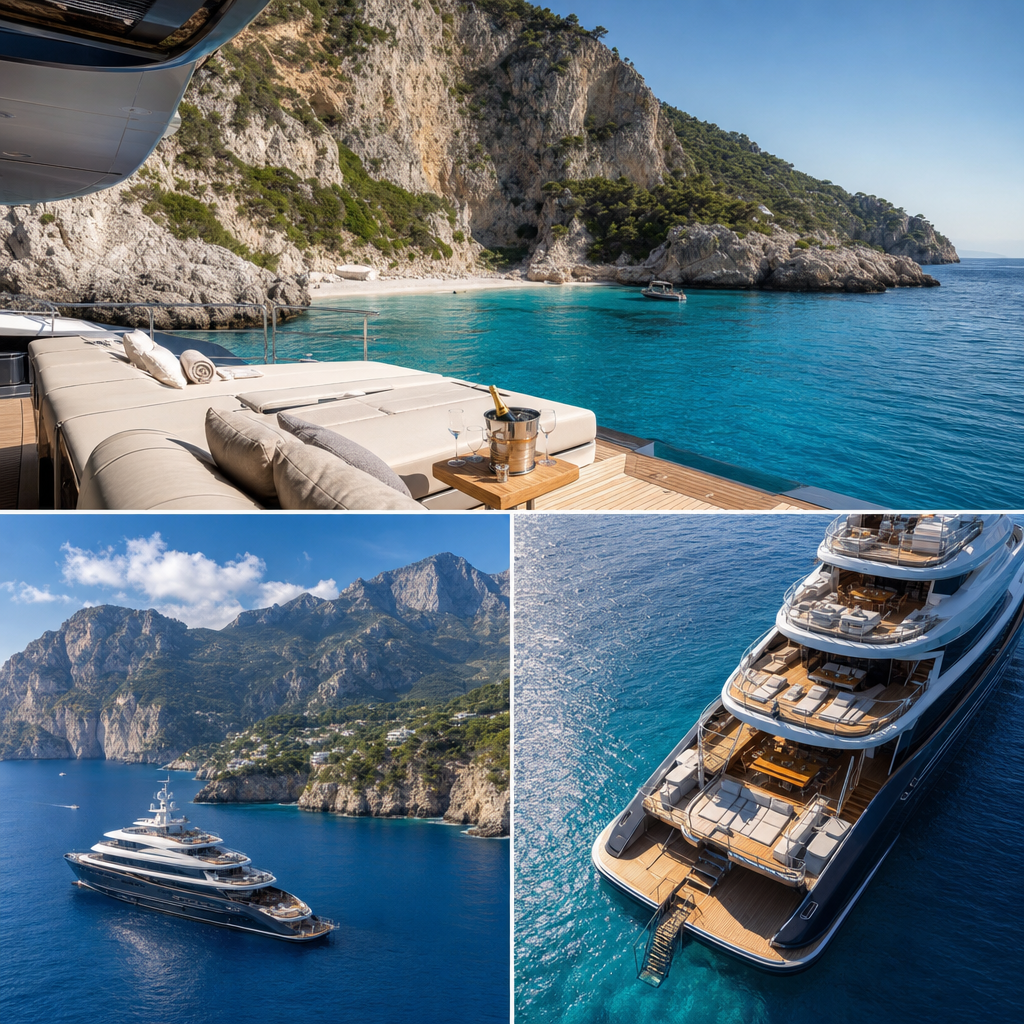
A three-day private yacht charter is the single element that most distinguishes a thoughtfully planned two-week Mallorca vacation from a standard luxury beach holiday. The east coast of Mallorca, from Cala Ratjada in the north down to Cala Mondragó in the south, contains a density of extraordinary coves, sea caves, and marine reserves that are either inaccessible by land or so crowded at the main access points that the only way to experience them properly is from the water.
What Type of Yacht to Charter
For groups of four to eight people, a gulet-style motor-sailer in the 20 to 28 meter range offers the right balance of deck space, cabin comfort, and draft for navigating into shallow coves. Catamarans are a popular choice for families with children due to their stability and open deck configurations. Pure motor yachts in the 40-foot-plus range are faster and offer higher interior specification, but they consume more fuel and attract more attention in anchorages, which runs counter to the privacy most Maison Mallorca clients are seeking.
The Three Unmissable Stops on an East Coast Yacht Route
Cala Varques, accessible only by boat or a forty-minute trail hike, is a double-entry cove with water that runs from turquoise at the edges to deep cobalt at the center. Anchor here in the early morning before day-trip boats arrive and you will have it almost entirely to yourself. The sea caves at Coves del Drach near Porto Cristo are best approached from the water at the southern entrance, avoiding the tourist queue entirely. Finally, the marine reserve around Cabrera Island, located thirty minutes south of Cap Salines, is a protected national park with some of the cleanest water in the western Mediterranean. Overnight anchoring in Cabrera requires a pre-arranged permit, which your concierge must organize weeks in advance.
Days Twelve Through Fourteen: Northeast Beaches, Golf, and Closing Dinners
The northeast of Mallorca, centered on the Alcudia peninsula and the Cap de Formentor, is the geographic counterpoint to the dramatic southwest. The landscape flattens into wide, white-sand bays and protected wetland reserves. The Albufera Natural Park is one of the most important bird sanctuaries in the Balearic Islands and worth a morning visit for anyone with even a passing interest in natural landscapes.
Golf Son Gual: The Best Course on the Island
Golf Son Gual, located just south of Palma, consistently ranks among the top ten golf courses in Spain. Its design by Thomas Himmel incorporates natural ravines, lakes, and panoramic views of the Tramuntana range in a way that makes it competitive with courses in far more expensive destinations. A morning round followed by lunch at the clubhouse, arranged with a private caddy through a concierge, is the kind of half-day experience that golfers in your group will rank among the trip's highlights.
Cap de Formentor: The Definitive Mallorca Viewpoint
The road to Cap de Formentor, the northernmost tip of Mallorca, is restricted to private vehicles after a certain hour during peak season. Access by private car with a driver, arranged early in the morning, bypasses the shuttle bus system entirely and delivers the famous lighthouse views without the crowd. The Hotel Formentor, recently restored to its original 1929 specification as a Royal Hideaway property, now operates at a standard worthy of a lunch reservation or afternoon drinks.
Closing Dinners That End the Trip on the Right Note
For the final evening, the restaurant at Can Bordoy Grand House and Garden in Palma's old town offers a setting that combines a privately owned historic palace with a kitchen that sources exclusively from Mallorcan producers. It is the kind of dinner that reframes the entire island experience in one meal. Reservations require advance booking and are significantly easier to secure through a concierge with an existing relationship with the house.
Dining Strategy for a Two-Week Mallorca Vacation
The most common error American travelers make with Mallorcan dining is treating every meal as an event. Fourteen days of Michelin-starred restaurants produces fatigue, not appreciation. The better approach is a deliberate mix: three or four exceptional fine dining experiences, four or five smart casual restaurants that represent genuine regional cooking, two or three market lunches, and the rest handled by your private villa chef, who can source ingredients from the same morning markets the restaurants use.
Restaurants That Require Concierge Access
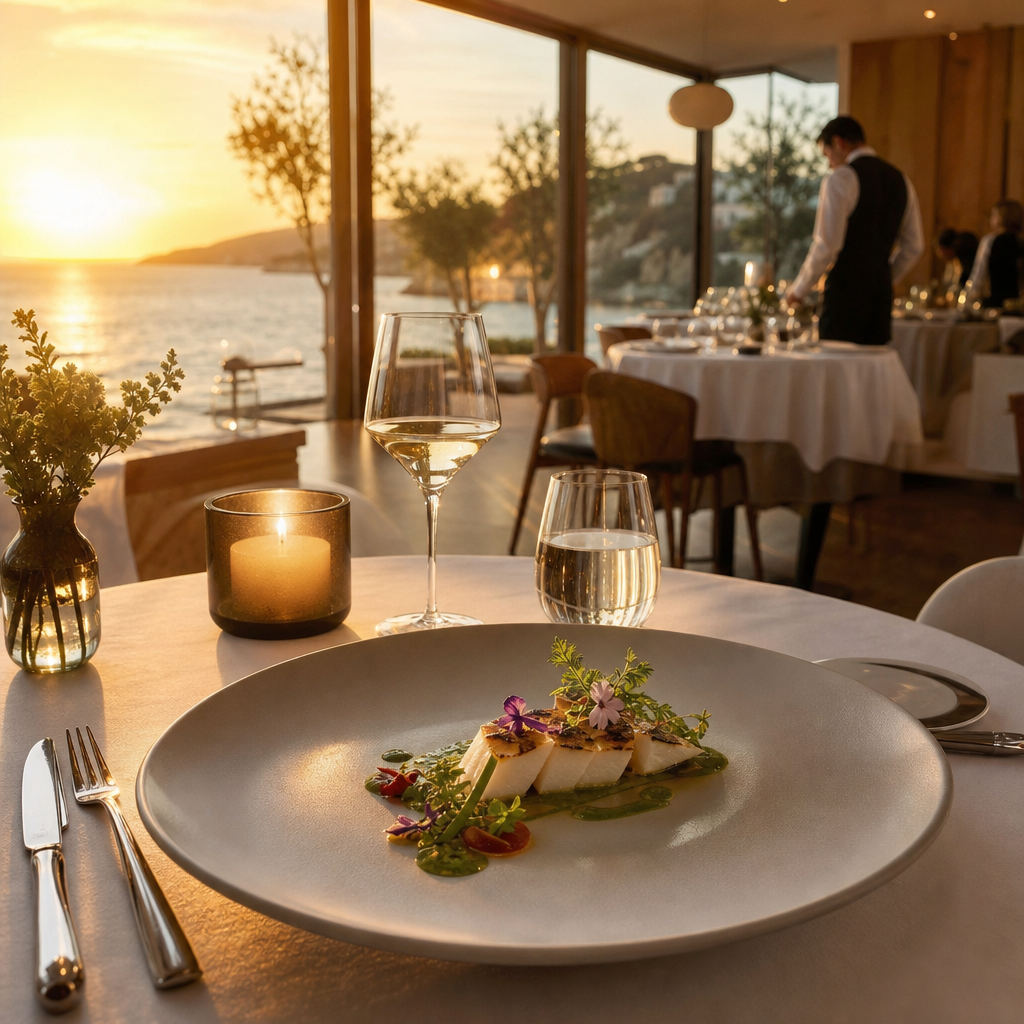
Dins Santi Taura in Lloseta is forty minutes from Palma and represents the most intellectually rigorous interpretation of traditional Mallorcan cuisine operating on the island. Chef Santi Taura's tasting menu reconstructs historical Mallorcan recipes using modern technique, and the dining room holds fewer than twenty covers per service. This is not a restaurant you will find on OpenTable. Es Fum at the St. Regis Mardavall on the southwest coast holds a Michelin star and offers a terrace overlooking the sea that is particularly spectacular at sunset. For more casual excellence, Es Rebost de Can Arabí near Binissalem, in the center of Mallorca's small but serious wine region, serves traditional island food in a farmhouse setting that requires no theater to justify a long lunch.
The Mallorcan Wine Region Most Americans Miss
Mallorca's Binissalem DO and Pla i Llevant DO wine regions produce genuinely interesting bottles from indigenous varieties like Manto Negro, Callet, and Prensal Blanc that are rarely exported and essentially unknown in the United States. A private winery visit and tasting at Bodegas Ribas, which has been family-owned since 1711 and holds the distinction of being the oldest continuously operating winery in Spain, is an afternoon that delivers both education and pleasure in equal measure.
Comparing Approaches to Planning a Mallorca Luxury Trip
There is no shortage of ways to organize a luxury trip to Mallorca. The practical differences between them matter significantly for a two-week stay, where compounding friction or compounding ease shapes the entire experience.
Planning Approach
What You Get
Where It Falls Short for Two-Week Luxury Travel
Self-planned using Airbnb, Viator, and OpenTable
Full control, lower service fees, wide selection of properties and activities
No vetting of villa quality, no access to relationship-dependent restaurants, no on-island support when something goes wrong, yacht charters require separate brokers, no sequencing intelligence
Generic luxury travel agency (non-specialist)
Professional booking support, insurance, some curated recommendations
Agents rarely have first-hand Mallorca knowledge, rely on the same commission-driven hotel and villa inventory everyone else uses, cannot secure access to privately held experiences or restricted venues
Personally inspected villas, relationship-based restaurant access, integrated yacht charter booking, on-island 24/7 support, sequenced itinerary built around your group's specific preferences
Higher service investment than DIY, best value realized over stays of seven nights or more where the compounding quality of each arranged element justifies the engagement
The data consistently shows that travelers who use destination-specialist concierge services report significantly higher satisfaction scores on luxury trips than those who use generalist agencies or self-plan. McKinsey's research on high-net-worth travel behavior notes that affluent travelers increasingly value time savings and access over price savings, a preference that specialist concierge models are built to serve.
Pro tip: When evaluating any Mallorca travel planner or concierge service, ask one specific question: can you name the last five villas you personally visited and give me the name of the chef at each one? If the answer is vague or redirected, you are speaking to someone working from a catalog, not from experience.
Frequently Asked Questions
How far in advance should I book a luxury Mallorca itinerary for two weeks?
For peak season travel between June 15 and September 15, begin the planning process no later than four months in advance, and ideally six months ahead. The highest-specification villas with private staff, sea views, and pools typically confirm their summer calendars by February. Michelin-starred restaurant tables at smaller venues fill within days of opening their booking windows. A concierge service with existing relationships can often secure access that self-booking cannot, but only if engaged early enough to activate those relationships properly.
What is the best base for a two-week Mallorca vacation if we want a mix of beach, culture, and dining?
No single base covers all three priorities equally well for two weeks, which is exactly why this itinerary moves across zones rather than anchoring in one place. That said, if forced to choose a single base, the southwest coast between Portals Nous and Andratx offers the best compromise: thirty minutes from Palma's cultural core, direct sea access, the highest concentration of luxury villa stock, and proximity to the island's best restaurants. The tradeoff is that the Tramuntana and east coast require day trips or overnight excursions rather than immersion.
Is a private yacht charter worth it for a Mallorca trip, and how much does it cost?
For a group of six or more people, a three-day private yacht charter on the east coast is one of the highest-value additions to any Mallorca itinerary. It unlocks coves and marine reserves that are either inaccessible by land or so crowded at public access points that the experience is compromised. Charter costs vary significantly by vessel type and season. A well-specified gulet for six passengers in June will typically range from 4,500 to 9,000 euros for three days including crew but excluding fuel, provisions, and port fees. Your concierge should bundle provisions sourcing, port bookings, and the Cabrera permit into a single coordinated package.
What cultural experiences in Mallorca are genuinely worth time for a sophisticated traveler?
Three cultural experiences stand out as genuinely irreplaceable. First, a private guided visit to the Fundació Pilar i Joan Miró in Palma, which houses not only finished works but Miró's actual studios preserved exactly as he left them in 1983. Second, a morning at the Carthusian monastery in Valldemossa, particularly effective if combined with a visit to a local herbalist who still prepares traditional Mallorcan botanical remedies in the village. Third, a private olive oil tasting at one of the historic oil mills in the Tramuntana, where the combination of centuries-old stone presses and current-vintage oils creates a sensory context that no museum exhibit can replicate.
How do Mallorca's luxury travel options compare to other Mediterranean destinations for American travelers?
Mallorca competes directly with the Amalfi Coast, Mykonos, Saint-Tropez, and Ibiza for the same affluent American traveler demographic. Its advantages are specific and worth stating directly. It is larger than most competing islands, meaning it sustains two full weeks of exploration without repetition. Its cuisine is more regionally distinct and less internationalized than Mykonos or Ibiza. Its property market, while rising, still offers villa rental value that the Amalfi Coast cannot match. And unlike Saint-Tropez in August, the island has enough geographic variety to absorb its tourist volume without every venue feeling overcrowded. The primary disadvantage compared to destinations like Capri or Porto Cervo is lower name-recognition among some American social networks, though that is changing rapidly.
Do I need to speak Spanish to travel comfortably in Mallorca?
No, but context matters. Palma, the main resort areas, and any establishment used to international luxury clientele will have English-speaking staff as standard. In smaller villages, rural markets, and family-run restaurants off the tourist circuit, a few words of Catalan or Spanish, which is what Mallorcans speak primarily, creates a meaningfully different reception. Your concierge and any private guide provided through a service like Maison Mallorca will handle all language logistics, including translation at private experiences and introductions at locally owned restaurants where English is limited.
If you have spent time in Mallorca or are in the early stages of planning a two-week visit, share what questions or challenges you are working through in the comments below. Specific scenarios get specific answers.
We would love your feedback and any insights you would share with others. What perspective would you add?