Lifestyle
Renting a Luxury Villa in Mallorca: The American Insider's Guide
What American travelers get wrong about the island's villa market — and how to book the week you are actually paying for.
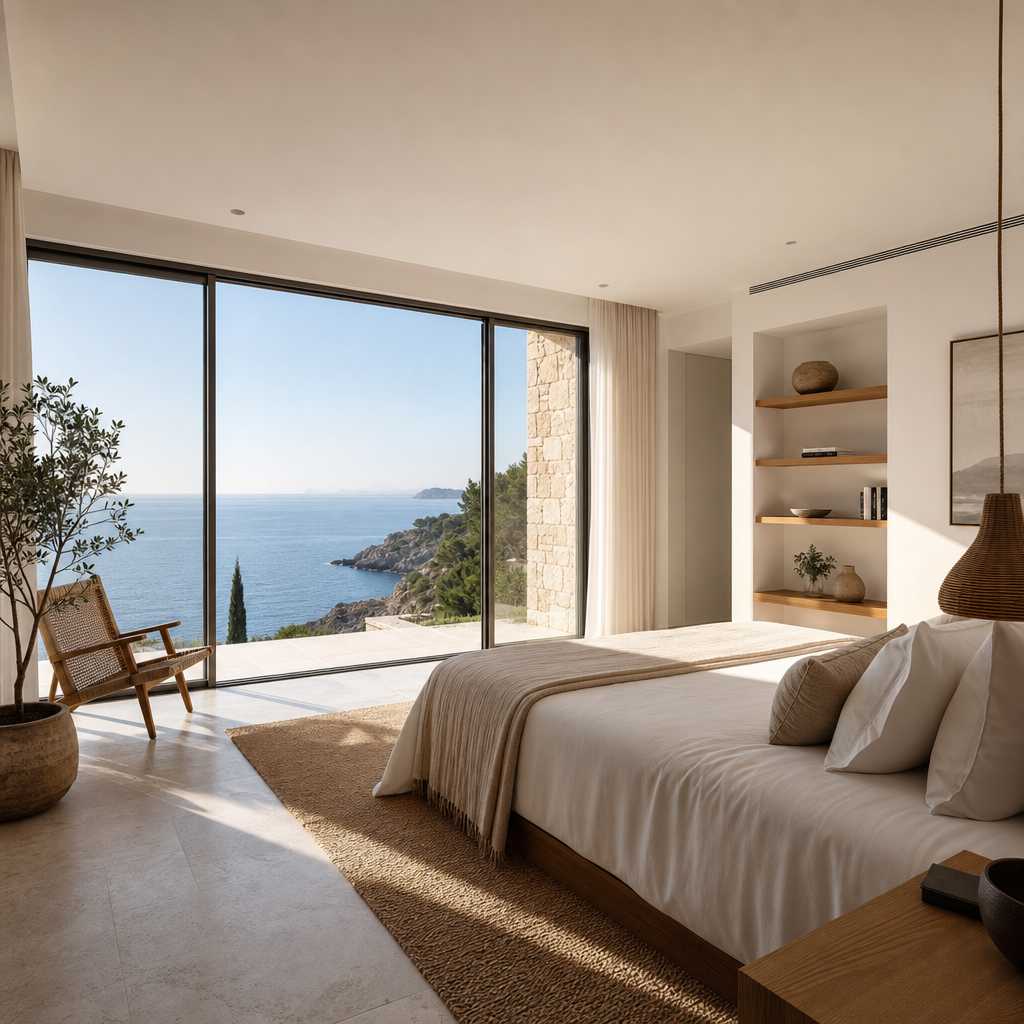
What American travelers get wrong about the island's villa market — and how to book the week you are actually paying for.
Most Americans renting a luxury villa in Mallorca for the first time make the same expensive mistake. They book through a generalist platform, arrive expecting seamless European ease, and spend their first three days solving problems nobody warned them about. With the island's most coveted properties commanding $15,000 to over $80,000 per week in peak summer, getting this wrong is not a minor inconvenience.
The market itself is exceptional. Mallorca pairs a UNESCO-protected mountain range and 550 kilometers of coastline with a restaurant scene that now ranks among Spain's best and an infrastructure built for the most demanding travelers in Europe. What the island doesn't forgive is assumption. It rewards preparation — and the prepared experience a very different Mallorca.
The single most important decision in a villa rental here is not the property. It's the zone. Mallorca divides into landscapes that deliver completely different weeks, and choosing the wrong one for your travel style is a mistake no amount of villa quality will correct.
The northwest mountain range — Deià, Valldemossa, Sóller — is the island at its most dramatic. Stone villages, terraced olive groves, a restaurant scene in Deià alone that justifies the trip for serious food travelers, and July temperatures a few degrees cooler than the south. The honest caveat: the roads are narrow and winding, and Deià to Palma takes the better part of an hour. If your group wants a beach every day, the Tramuntana will frustrate you. If it wants landscape, art and cuisine, nothing else on the island comes close.
Port d'Andratx down to Palma Nova is where the island's most expensive villas concentrate — direct sea access, deep-water berths, the best beach clubs, and infrastructure built over decades for wealthy European families. The premium over inland properties is real and, for most of our clients, justified. The trade-off is that this is also the most developed corner of the island, and the coastal roads in August are genuinely busy.
The agricultural heart around Sineu and Petra offers authentic finca estates at meaningfully lower prices, surrounded by almond groves and almost no tourist traffic. The east coast around Porto Colom delivers calmer, cleaner water than the west and far fewer superyachts. Both suit travelers who want a quieter, more residential rhythm — and both are chronically underrated by first-time visitors.
The word "villa" means two very different things here. A finca is a traditional stone country estate, often centuries old, restored to pair barrel-vaulted ceilings and antique terracotta with modern kitchens and serious pool terraces. The best of them have an atmosphere no purpose-built property can replicate — and a tolerance requirement to match. Thick walls mean darker rooms; some historic properties have plumbing and WiFi a five-star hotel would not accept. A proper concierge has walked these houses before recommending them.
A modern villa is the opposite proposition: Lutron lighting, automated pool heating, chef-grade kitchens, cinema rooms, indoor-outdoor living engineered for the Mediterranean summer. Everything works, everything photographs beautifully — and a 2019-built minimalist box in Son Vida delivers every amenity and almost no sense of place. Neither answer is wrong. The mistake is choosing from photographs instead of from your group's actual daily rhythm.
Here is the structural disadvantage nobody tells you about: most Americans begin researching summer travel in January and February. The European families who dominate Mallorca's luxury market locked in their preferred houses the previous autumn. The genuinely top-tier villas for July and August are gone by the end of November.
If you're targeting peak season, begin the search in September or October of the prior year — shortlist in autumn, hold the property by November, finalize staffing and services over the winter, and book the long-lead restaurant tables from March. If you're flexible, June 1–20 and all of September are the island's best-kept open secret: near-identical weather, 15–25% lower rates, warmer water than June visitors expect, and restaurant access that peak-season travelers can only dream about.
A €5,000-per-week listing and a €35,000-per-week property use exactly the same vocabulary online. The clearest dividing line in reality is staff. Entry-level "luxury" means a cleaner every other day. The genuine article means a resident housekeeper and cook, often a butler, and a concierge network that has pre-stocked the kitchen, briefed the cook on your family's preferences before you land, and answers the phone at midnight.
The second line is privacy — and for high-net-worth travelers it is a requirement, not a preference. Genuine privacy means gated access, no neighboring sightlines to the pool terrace, and perimeter landscaping that does its job. A property advertising "privacy" forty meters from a public coastal path is not delivering on the word. Verifying this requires someone who has stood on the terrace.
Since 2017, every legal short-term rental on the island holds an ETV license, and the Balearic government enforces this seriously — there are documented cases of guests required to vacate unlicensed properties mid-stay. Every legitimate listing displays its license number. If the owner cannot produce one, walk away, regardless of the price.
Expect a 30–50% deposit on signing, the balance due eight to twelve weeks before arrival, and cancellation terms far stricter than American vacation rentals — inside eight weeks, the full amount is usually forfeit. Two practical consequences: comprehensive cancellation insurance is not optional at this price point, and on a $50,000 euro-denominated rental, your bank's retail FX rate can quietly cost you thousands. Use a specialist provider for the wire.
The villa is the anchor, not the itinerary. The tables that define a Mallorca week — Es Racó d'es Teix in Deià, Bens d'Avall above the Sóller coast, Marc Fosh in Palma — require eight to twelve weeks of lead time in season, and the best of them require a relationship with the reservation desk. Arriving on the island hoping to book Thursday's table is not a plan.
From a southwest coast villa, a two- or three-day crewed yacht charter mid-week — the Tramuntana sea caves, Sa Dragonera, an open run toward the south coast coves — is the single addition guests most often name as the highlight of the trip. Golfers will want Alcanada or Son Gual booked well ahead; for everyone else, the island's cultural seam, from Robert Graves' house in Deià to Palma's contemporary art spaces, can fill a week without a single beach towel.
This is precisely the work Maison Mallorca exists to do: the region matched to your group, the house verified in person, the license checked, the cook briefed, the tables held — before your plane leaves the ground.
Tell us your dates, your group and what you'd like the island to feel like. We arrange the villa, the tables, the boats and the days in between.
Start Your Inquiry →