Discover the best water sports Mallorca has to offer, from SUP locations and sailing charters to diving Cabrera. Expert planning guide for luxury travelers.
Water Sports Mallorca: From Paddleboarding to Sailing
Discover the best water sports Mallorca has to offer, from SUP locations and sailing charters to diving Cabrera. Expert planning guide for luxury travelers.
Insider Guide
Most travelers who arrive in Mallorca spend their first day by the pool when they could be on the water. That is a genuine mistake. Mallorca's coastline stretches over 550 kilometers, according to the Balearic Islands Tourism Board, and it offers some of the clearest, most varied sailing and paddleboarding conditions in the entire Mediterranean. Water sports Mallorca enthusiasts have access to sheltered coves ideal for beginners, open-sea passages for experienced sailors, and everything in between. This guide cuts through the generic advice and tells you exactly what is worth your time, your money, and your energy on the water.
May through October is the prime water sports season
Sea temperatures range from 21°C to 28°C during this window, making all ocean activities comfortable and safe. July and August have the most stable winds for sailing.
Tramuntana coastline is not suitable for beginners
The northwest coast faces open Atlantic swells and unpredictable gusts. Beginners should stay in the sheltered bays of the southeast and east, particularly around Cala d'Or and Porto Cristo.
Private yacht charters require 48-hour minimum advance booking in peak season
The best vessels in the Port d'Andratx and Palma marina fill fast. Booking through a concierge at least two weeks ahead is the only reliable way to secure top-tier options.
Paddleboarding in Es Trenc is consistently rated the best flat-water experience
The shallow, protected lagoon conditions at Es Trenc produce glassy water even when coastal winds pick up elsewhere on the island.
Catamaran day charters offer a meaningfully different experience from motor yachts
Catamarans allow access to shallow coves that motor yachts cannot reach. For snorkeling stops, they are the superior choice for groups of six or more.
Kitesurfing lessons require a minimum three-day commitment to be worthwhile
Single-day introductory sessions at S'Arenal teach basic kite control but do not progress to water starts. Three days is the realistic minimum to achieve independent riding.
Combining water sports with a villa base in the southwest cuts transit time significantly
Villas near Port d'Andratx or Santa Ponsa place guests within 10 minutes of the island's premier sailing marinas and ocean activity providers, versus 40-plus minutes from the northeast coast.
Why Mallorca Water Sports Stand Apart
The Mediterranean does not behave like the Atlantic, and that distinction matters enormously for planning a water-focused holiday. Mallorca sits at a latitude and geography that produces mild thermal winds during the day and calm conditions by late afternoon. The Tramuntana mountains block cold northern air from reaching the western coast, which means sailing and paddleboarding conditions there remain predictable throughout summer.
In practice, what this means for an American traveler is this: you are not gambling on conditions the way you would in the Caribbean during hurricane season, or tolerating cold water the way you would in Northern California. The window from May through October is genuinely reliable. The Spanish Meteorological Agency (AEMET) reports that Mallorca averages over 300 days of sunshine per year, with summer sea conditions rated as calm or light-breeze 70 percent of the time.
The variety of coastline is also exceptional. In one day, a well-organized itinerary can move from the dramatic sea cliffs of Cap Formentor in the morning to the turquoise shallows of Cala Mondrago by afternoon. No other Balearic island and few Mediterranean destinations offer that geographic range within driving distance of a central villa base.
Paddleboarding in Mallorca: Best Spots and What to Expect
Stand-up paddleboarding (SUP) has become the most accessible water sport on the island, and for good reason. It requires no prior experience, no certification, and no fitness level beyond basic balance. However, not all paddleboarding locations in Mallorca are equal, and choosing the wrong one is a common mistake among first-time visitors.
The Three Best SUP Locations by Ability Level
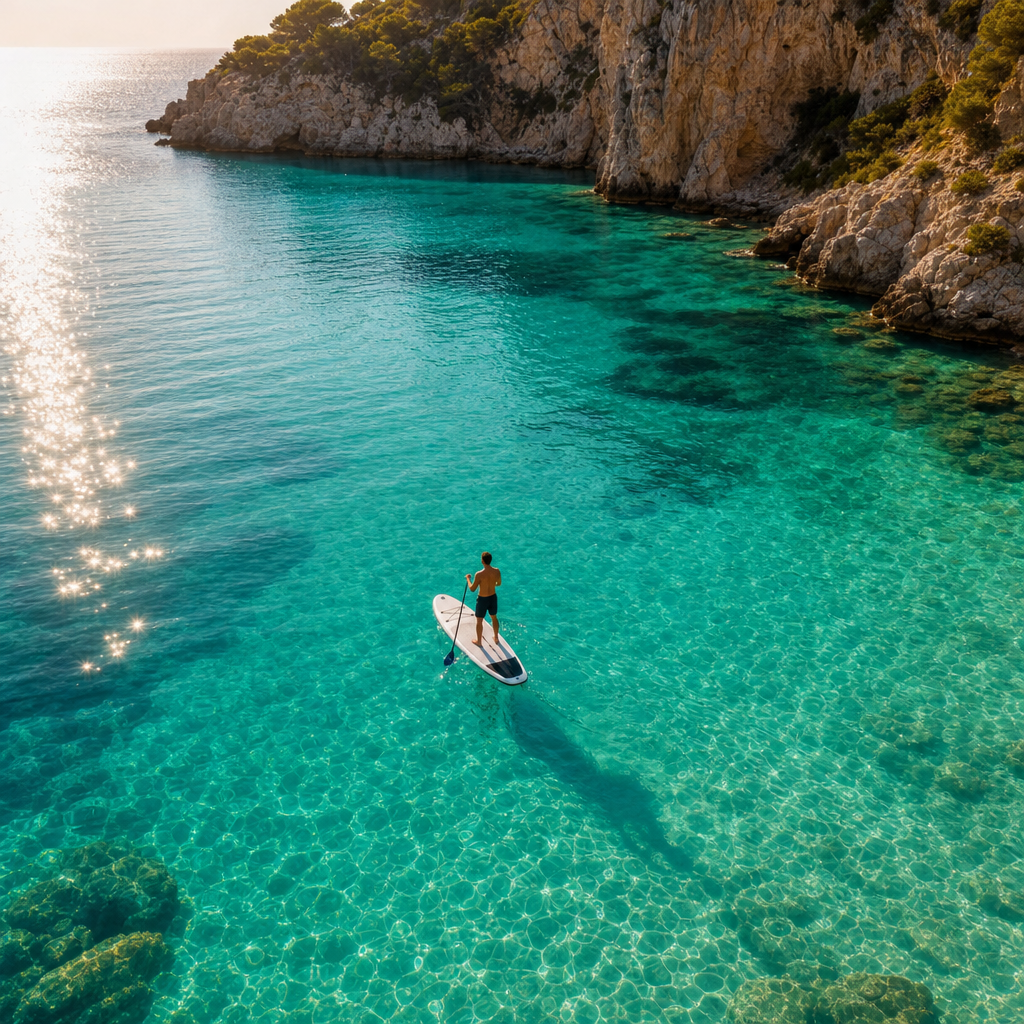
For complete beginners, Es Trenc in the south is the clear choice. The beach faces a shallow, sandy bay with minimal wave action. You can paddle for 30 minutes without leaving depths of two meters, which matters psychologically for anyone who has not done this before. The water clarity there is among the best on the island.
For intermediate paddlers who want more visual payoff, the Cala de Sant Vicenç cluster in the northeast offers four connected coves you can paddle between in a single session. Each cove has its own distinct color due to the sand composition beneath. The light there in the morning is extraordinary, which matters if you are paddling for the experience rather than the workout.
For advanced paddlers or those who want a genuine workout, the stretch from Port de Soller to the lighthouse at Cap Gros is a 4-kilometer open-water paddle with current and chop. It is not technically dangerous but it demands confidence in the water and ideally a partner.
Equipment Quality Makes a Significant Difference
Many SUP rental operations on the island use boards that are too wide and too heavy for enjoyable paddling. A common mistake is accepting whatever board is available at the nearest beach shack. Guests working through Maison Mallorca's curated experiences are connected with operators who use premium inflatable boards from brands like Red Paddle Co and NSP, which respond noticeably better in light chop and are easier to carry to and from the water.
Pro tip: Book SUP sessions for 8:00 AM to 10:00 AM. Wind along Mallorca's southern coast typically picks up between 11:00 AM and 1:00 PM as thermal heating builds. Morning sessions on flat water feel entirely different from afternoon sessions in choppy conditions.
Sailing Mallorca: Charters, Routes, and Insider Knowledge
Sailing Mallorca is genuinely one of the best decisions you can make for a luxury Mediterranean holiday, but the difference between a great sailing experience and a mediocre one comes down almost entirely to the charter selection and the route planning. The island has over 20 marinas and hundreds of charter companies, which sounds like abundance but in practice creates a quality problem for travelers who do not know what to look for.
Choosing Between Skippered and Bareboat Charters
Unless you hold an RYA Day Skipper certificate or equivalent ISPA/ASA qualification, bareboat chartering is not a realistic option for American visitors. Spanish maritime law requires documented competency for vessels over six meters. More importantly, even qualified sailors who are unfamiliar with Mallorca's coastline frequently underestimate the localized wind patterns around the Tramuntana cape area.
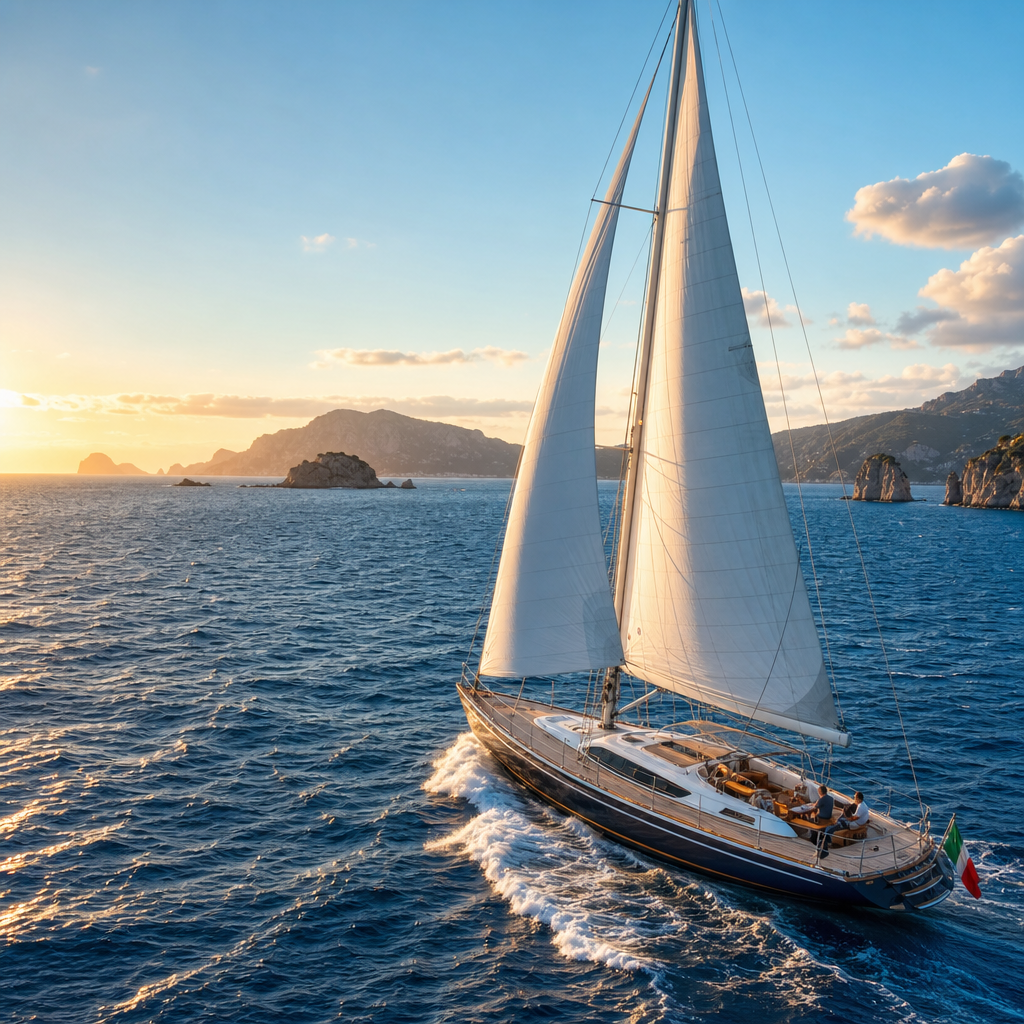
Skippered charters with a professional local captain are the correct choice for 95 percent of luxury travelers. A good skipper does not just handle navigation. They know which anchorages are protected from afternoon winds, which coves have the best snorkeling, and how to read the weather windows that determine whether heading west toward Dragonera Island or east toward Cala Figuera makes more sense on a given day.
The Best Sailing Routes in Mallorca
The southwest circuit, departing from Port d'Andratx and rounding Sa Dragonera island, is consistently the most spectacular full-day route. The passage around Sa Dragonera involves proper open-water sailing with swells, and the anchorage on the eastern side of the island is protected and utterly quiet. Almost no motorized traffic reaches it.
For a multi-day itinerary, a clockwise route starting from Palma, heading south to Es Trenc, east to Cala Mondragó, north to Porto Cristo, and back via Cap Formentor covers the best of the island's varied coastal character. This route takes three to four days at a comfortable pace and can be arranged as a live-aboard charter with provisions included.
"Mallorca offers some of the finest sailing in the Mediterranean for both novices and experienced sailors, with its well-sheltered bays, consistent thermal winds, and high-quality marina infrastructure making it a benchmark destination for the European sailing community." - Royal Yachting Association (RYA) Cruising Guide to the Balearic Islands
Pro tip: Request a catamaran rather than a monohull if your group includes anyone prone to seasickness. The dual-hull design dramatically reduces rolling motion, and the deck space on a 45-foot catamaran is roughly triple what you get on a monohull of equivalent length, making it far more comfortable for groups of four or more.
Luxury Ocean Activities Mallorca: Beyond the Basics
Paddleboarding and sailing are the most popular water activities, but luxury ocean activities Mallorca extends well beyond those two. The island's underwater geography and water visibility create exceptional conditions for several experiences that many American travelers do not consider until they are already on the island, which is invariably too late to arrange the best options.
Freediving and Scuba Diving
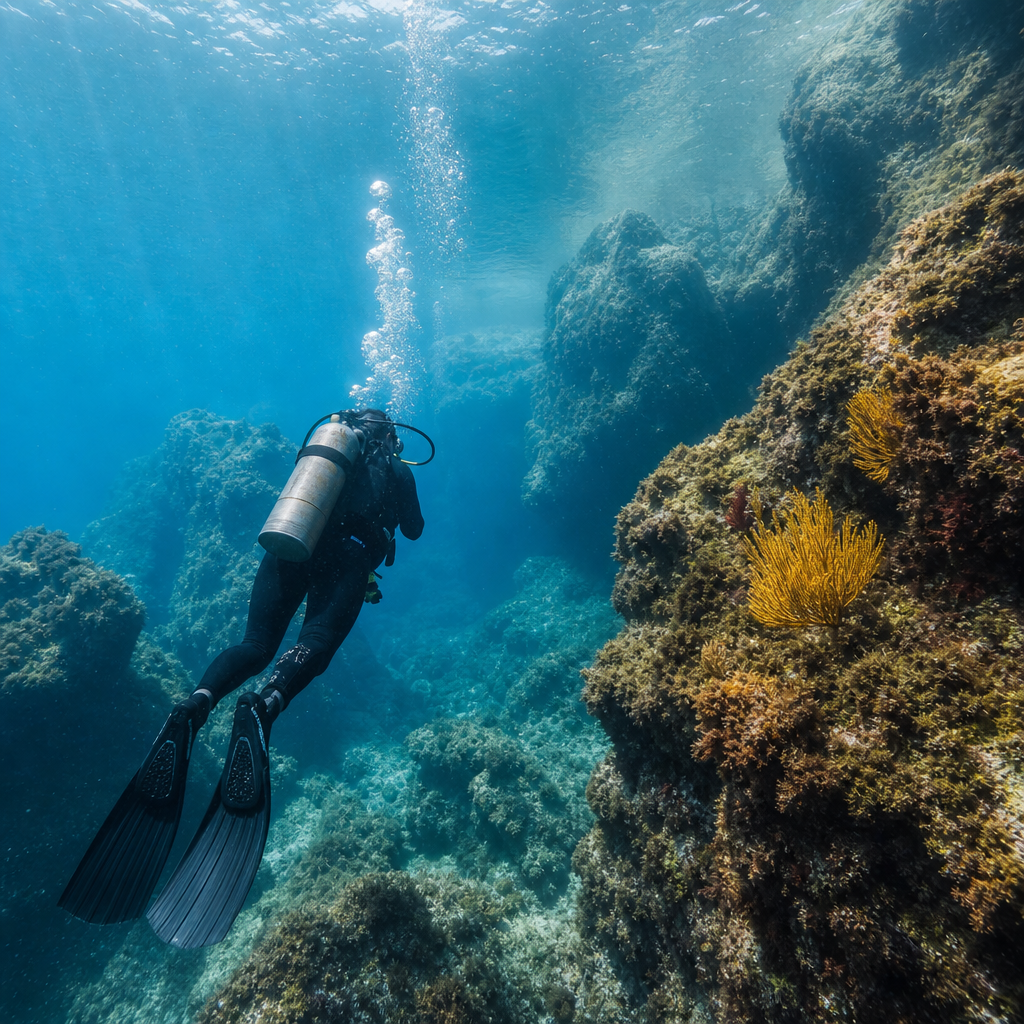
Mallorca has a network of marine protected areas, including the waters around the Cabrera Archipelago National Park, which is the only national park in Spain that is primarily marine. Diving in Cabrera requires advance permits and a registered dive operator. The visibility regularly exceeds 30 meters, and the marine life concentration is dramatically higher than in non-protected areas. This is not comparable to the dive experiences available at most Caribbean resorts.
For guests who are not certified divers, freediving introductory experiences with a qualified instructor offer a more immediate connection to the underwater environment than a single-day scuba discover session. In practice, a two-hour freediving session with a qualified instructor off Cap Blanc can take you to eight to ten meters depth safely, which is enough to experience the sea grass meadows and rocky formations that define Mallorca's submarine landscape.
Private Kayak Expeditions Through Sea Caves
The Tramuntana coast has a series of sea caves accessible only by water. The caves near Cala Gat near Cala Ratjada and the cave network near Porto Cristo are among the most dramatic. Private guided kayak expeditions can be arranged through quality operators and combined with a sailing day so that the kayaks are deployed from the yacht anchor point, reaching cave entrances that are unreachable from shore.
This combination of sailing and sea cave kayaking is precisely the kind of layered itinerary that separates a Maison Mallorca experience from what you get booking through a generalist platform like Villas of Mallorca or Quintaessentia Mallorca, neither of which operates a dedicated on-island concierge team to coordinate cross-provider logistics in real time.
Jet Skiing and High-Speed Water Sports
Jet ski rentals operate from most larger resort beaches, but the quality and safety standards vary considerably. The operators licensed in Cala Millor and Port d'Alcudia generally maintain newer fleets and provide mandatory GPS-tracked routes that keep riders within safe zones. Expect to pay between 80 and 120 euros per hour for a two-person jet ski through a reputable operator. Significantly cheaper options usually involve older equipment and less oversight.
Comparing Water Sport Experiences in Mallorca
The table below compares three distinct approaches to experiencing Mallorca's ocean activities, ranging from self-organized bookings to fully serviced concierge planning. The differences in access, quality, and overall experience are substantial.
Experience Type
What You Get
Best For
Self-Booked Beach Operator
Standard rental equipment, fixed location, no customization, shared departure times, variable equipment quality
Budget-conscious travelers who want a one-hour activity without investment in planning
Skippered Sailing Charter (Direct Booking)
Dedicated vessel and captain, route flexibility, but no integration with villa logistics, restaurant reservations, or multi-day coordination
Sailing-focused travelers who are comfortable managing their own broader itinerary
Fully Concierge-Managed Ocean Itinerary via Maison Mallorca
Pre-vetted operators, premium equipment, integrated villa-to-marina transfers, Cabrera permit coordination, on-island support if conditions change, seamless combination of sailing, SUP, diving, and dining on the water
High-net-worth travelers who want the best possible ocean experience without managing logistics personally
Planning and Booking: Timing, Logistics, and What Most People Get Wrong
The single most common planning error American travelers make is treating Mallorca's water sport season as uniformly available. It is not. July and August are not simply busier, they are operationally different. The best charter vessels are booked six to eight weeks in advance. The Cabrera National Park dive permit system has a daily visitor cap that fills entirely on peak days. Attempting to arrange top-tier ocean activities on arrival in August is not a viable strategy.
When to Book Each Activity
For private yacht charters of four or more people on high-season dates (late June through August), eight weeks advance booking is the minimum for securing a quality vessel. For May, June, and September, four weeks is generally workable. For SUP and kayak rentals, two to three days is sufficient outside peak season, but even these fill on stormy beach days when the only calm-water option is an inland cove.
The Cabrera National Park diving permits should be treated like restaurant reservations at a Michelin-starred venue. They require booking through a licensed operator, and the park authority limits total daily visitors. If this experience is a priority, it should be the first thing booked after flight and villa confirmation.
Villa Location Relative to Water Activities
This is a logistics point that affects every ocean day of a Mallorca holiday and that most travelers only discover after they have already committed to a villa location. The island's best sailing Mallorca departure points are clustered in the southwest (Port d'Andratx, Palma marina, Puerto Portals). The best SUP locations are spread across the south and east. A villa positioned in the northeast, while beautiful, adds 45 to 60 minutes of driving to almost every west coast ocean activity.
Maison Mallorca's approach to villa selection accounts for this explicitly. The team matches villa location to the activity priorities the client expresses during the initial consultation, which eliminates the scenario of wasting two hours a day in transit.
Pro tip: If your Mallorca holiday is primarily ocean-focused, prioritize a villa within 15 minutes of a marina over a villa with a more dramatic interior view. The marina access will shape the quality of every water activity day in ways that a mountain backdrop simply does not.
Frequently Asked Questions
What is the best time of year for water sports in Mallorca?
May through October covers the viable window, but June and September offer the best combination of warm water, manageable crowds, and reliable wind conditions for sailing. July and August deliver the warmest water temperatures (up to 28°C) but also peak tourist pressure on equipment rentals and charter availability. If flexibility exists, early June or the first two weeks of September represent peak conditions with fewer logistics headaches.
Do I need sailing experience to charter a yacht in Mallorca?
No. Skippered charters do not require any sailing experience on the part of guests. You are a passenger on a professionally captained vessel. The captain handles all navigation, docking, and weather decisions. If you want to participate in sailing the boat, most skippers are happy to teach guests basic crewing tasks on request. Bareboat charters without a skipper do require documented certification, but they represent a very small portion of the charter market for leisure travelers.
How much does a private yacht charter in Mallorca typically cost?
For a full-day skippered charter on a quality 40 to 50 foot sailing catamaran with crew, provisions, and fuel, expect to pay between 1,500 and 3,500 euros depending on vessel size and season. Motor yacht day charters start higher, typically 2,500 euros and up for a comparable vessel. Multi-day live-aboard charters on premium sailing yachts range from 5,000 to 15,000 euros per week depending on vessel and crew configuration. These figures reflect vetted quality operators, not the lowest-price market.
Is paddleboarding in Mallorca suitable for children?
Yes, with the right location selection. Children from around age seven can manage paddleboarding on their knees in calm, shallow water, and children over ten with decent balance can typically stand on appropriately sized boards. The key is choosing a flat, protected bay such as Es Trenc, Cala Mondragó, or the inner harbor at Port de Pollença. Exposed beaches with afternoon chop are not appropriate for children without direct adult supervision in the water.
What makes Cabrera Archipelago a unique diving destination compared to other Mallorca dive sites?
Cabrera is Spain's only marine national park and has been protected since 1991. The absence of commercial fishing and recreational boating pressure has allowed fish populations, Posidonia oceanica sea grass meadows, and coral formations to develop to a density that is genuinely rare in the western Mediterranean. Visibility regularly exceeds 30 meters. The contrast with non-protected dive sites around Mallorca's main coastline is immediately apparent to any diver who has experienced both.
Can I combine a sailing charter with other activities like paddleboarding or sea kayaking in a single day?
Absolutely, and this is in fact the recommended approach for maximizing a full ocean day. A well-planned skippered charter carries or tows SUP boards and kayaks, deploys them at protected anchor points, and retrieves them before moving to the next location. This format lets guests sail the open passages between headlands and then use human-powered craft to explore the shallow coves that the yacht cannot access. It requires a captain who is experienced in this multi-activity format and a vessel with sufficient deck space for the equipment, which is why advance coordination through a concierge matters.
If you have sailed or paddled in Mallorca, share your experience in the comments. Specifically which locations surprised you most and what you would do differently on a return visit.
We would love your feedback and any insights you would share with others. What perspective would you add?