Discover why a luxury Mallorca vacation is the top choice for Americans in 2026. Villas, dining, yachts, and concierge planning explained by local experts.
Why Mallorca Is the Ultimate Luxury Vacation for Americans
Discover why a luxury Mallorca vacation is the top choice for Americans in 2026. Villas, dining, yachts, and concierge planning explained by local experts.
Insider Guide
Most affluent American travelers still think of Mallorca as a European beach destination best left to package tourists from Germany and the UK. That assumption is costing them one of the finest luxury vacation experiences available anywhere in the Mediterranean. A luxury Mallorca vacation in 2025 and into 2026 delivers a combination of private villa estates, Michelin-starred dining, world-class sailing, and genuinely warm hospitality that the Amalfi Coast and the French Riviera have long stopped offering at any price point. Americans who have made the trip once rarely choose anywhere else the following summer.
Mallorca offers better value than the French Riviera
A comparable private villa with staff, pool, and sea views costs 30 to 40 percent less per week in Mallorca than in Saint-Tropez or Cap Ferrat, without any sacrifice in quality.
Direct flights from the US make access straightforward
Palma de Mallorca Airport (PMI) is reachable via one-stop connections through Madrid, Barcelona, or major European hubs, with total travel times competitive with flying to the Caribbean.
The island has genuine culinary depth
Mallorca holds multiple Michelin stars and a thriving farm-to-table scene rooted in local produce, olive oil, and seafood that most American travelers do not know exists.
Private yacht access is exceptional
The island's position in the western Mediterranean makes it the ideal base for day charters, overnight sails to Menorca, and access to secluded coves unreachable by road.
Peak season crowds are manageable with expert planning
Americans traveling with a dedicated concierge bypass the bottlenecks that independent travelers hit in July and August, from restaurant reservations to marina berths.
The shoulder seasons offer superior conditions
May, June, and September deliver warm weather, calm seas, and fully open infrastructure without the density of high summer, making them the preferred months for high-net-worth travelers.
Cultural depth distinguishes Mallorca from pure beach destinations
The island has a serious arts scene, historic architecture, championship golf, and a Tramuntana mountain range that is a UNESCO World Heritage Site.
Why Mallorca Outperforms Every Other Mediterranean Luxury Destination
The comparison is not even particularly close once you run the numbers. According to data published by Statista, the average daily spend among luxury travelers in the Balearic Islands consistently sits below comparable figures for the French Riviera and Italian coast, while accommodation quality and service standards are comparable or better. For Americans who have done Capri, Positano, or St. Barts multiple times, Mallorca represents a step up in space, privacy, and value simultaneously.
In practice, what separates Mallorca is the sheer physical scale of the island combined with its variety. At 3,640 square kilometers, it is large enough that a family staying in a private estate near Deià in the Tramuntana mountains is having an entirely different experience from one based in the beach clubs of Puerto Portals or the old town streets of Palma. Most Mediterranean islands force you to choose one register. Mallorca runs all of them at once.
The infrastructure for luxury travel is mature in a way that matters. High-end marinas, private aviation services, international-caliber medical facilities, and five-star hotel brands all operate at standards Americans expect. The island hosted the America's Cup in 2007 and has since become one of the most sophisticated sailing destinations in Europe, which tells you something about the category of investment and visitor it has been consistently attracting.
"Mallorca has quietly become one of the most complete luxury destinations in the world. The combination of landscape, gastronomy, and maritime access is simply unmatched in the western Mediterranean." - Forbes Travel, Mediterranean Luxury Report
What Americans Get Wrong About Mallorca Travel
A common mistake is assuming Mallorca is primarily a British and German package holiday destination and therefore not suited to the luxury American traveler. That perception is about fifteen years out of date. The island has undergone a sustained repositioning at the top end of the market, with significant investment in boutique hotels, private residence development, and fine dining infrastructure specifically targeting international high-net-worth visitors.
The second mistake is planning a Mallorca trip the same way you would plan a trip to Paris or Rome, booking hotels through a general travel site, using OpenTable for restaurants, and figuring out the rest on arrival. That approach works in cities with deep, redundant options. In Mallorca, the best villas are booked 6 to 12 months in advance, the top restaurant tables require connections or local relationships to secure, and the private yacht charter market moves quickly in peak season. General travel agencies do not operate at that level of local intelligence.
A third error is underestimating the geography. Mallorca's best luxury experiences are distributed across the entire island. The drive from Palma to a hilltop estate in Valldemossa is different in character from the coastal road to a beach villa near Cala d'Or. Without someone who knows both the roads and the rationale, Americans often end up concentrated in one zone and miss the full range of what the island offers.
Pro tip: If you are traveling in July or August, treat your concierge booking timeline the same way you would treat securing a table at a three-Michelin-star restaurant in New York. The best options require advance planning measured in months, not weeks.
The Luxury Property Landscape: Villas, Estates, and Private Residences
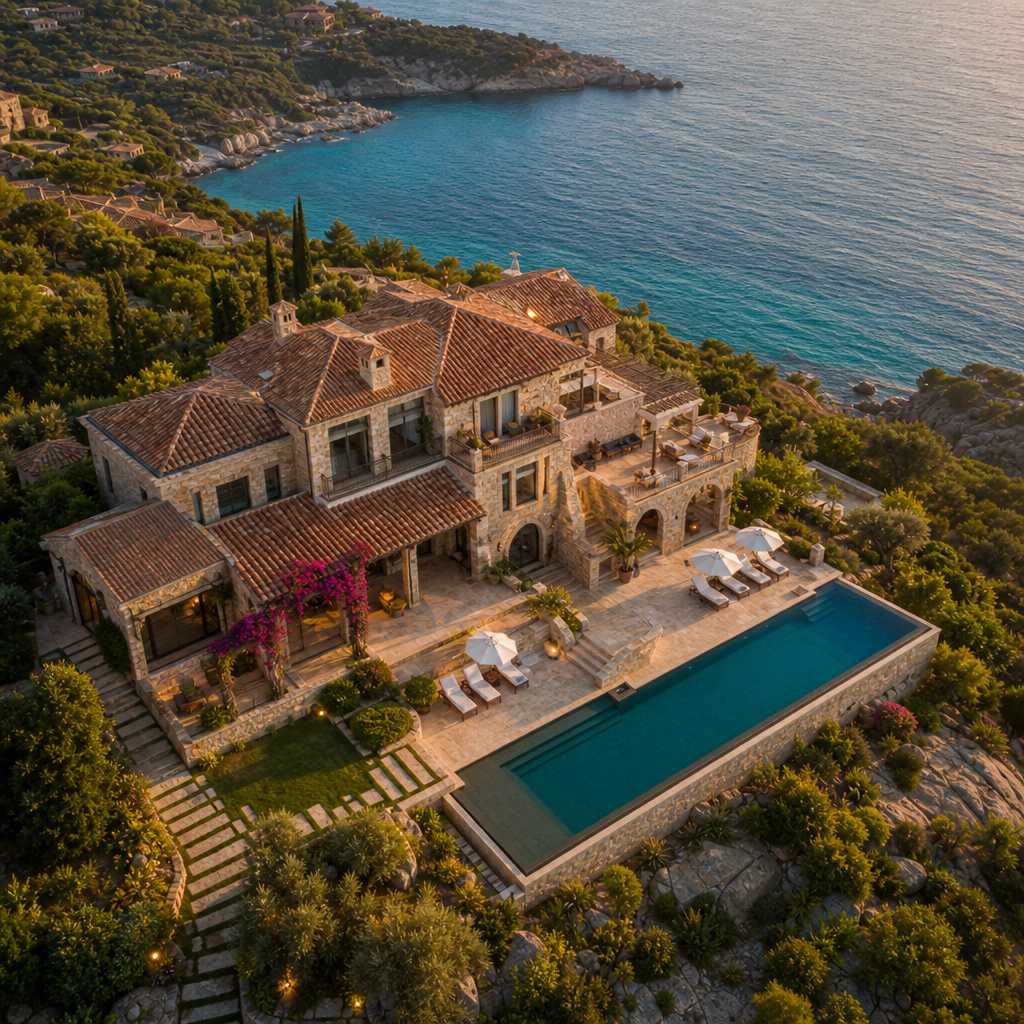
The private villa market in Mallorca is one of the most sophisticated in Europe. Estates range from converted 17th-century fincas with original stone walls and contemporary interiors to purpose-built modernist compounds perched above the sea near Port de Sóller. For American families or groups traveling together, the private villa model delivers a level of privacy, space, and personalization that no hotel can match.
What a Properly Curated Villa Includes
At the level Maison Mallorca operates, villa selection is not a property search. It is a process of matching the specific requirements of a group, including arrival and departure logistics, proximity to specific activities, staff requirements, and the particular quality of light and view that suits the aesthetic preferences of the client, to the right property from a curated portfolio. Many of the finest estates on the island are never listed publicly.
Expect full-time staff including housekeeping and private chefs at the higher end of the market. Properties in the Tramuntana UNESCO zone near Deià and Valldemossa tend to attract clients who want seclusion and scenery. Properties near Puerto Portals, Port Adriano, or Palma suit those who want immediate access to marina life, restaurants, and social activity without sacrificing privacy.
The Comparison That Decides the Trip
Property Type
Best For
Typical Weekly Rate Range (High Season)
Tramuntana Mountain Estate
Seclusion, scenery, hiking, artistic heritage, couples and small groups
$15,000 to $45,000 per week
Coastal Villa Near Palma or Port Adriano
Marina access, beach clubs, restaurants, families and social travelers
$20,000 to $60,000 per week
Southeast Island Estate (Santanyí or Cala d'Or Area)
Calmer coves, quieter ambiance, snorkeling, adults-only groups
$12,000 to $35,000 per week
These figures reflect market rates as of 2024 and 2025. For Americans used to pricing in the Caribbean or Italian luxury villa market, Mallorca consistently delivers more square footage, more staff, and better-maintained grounds at equivalent or lower price points.
Dining and Gastronomy That Rivals Anywhere in Europe
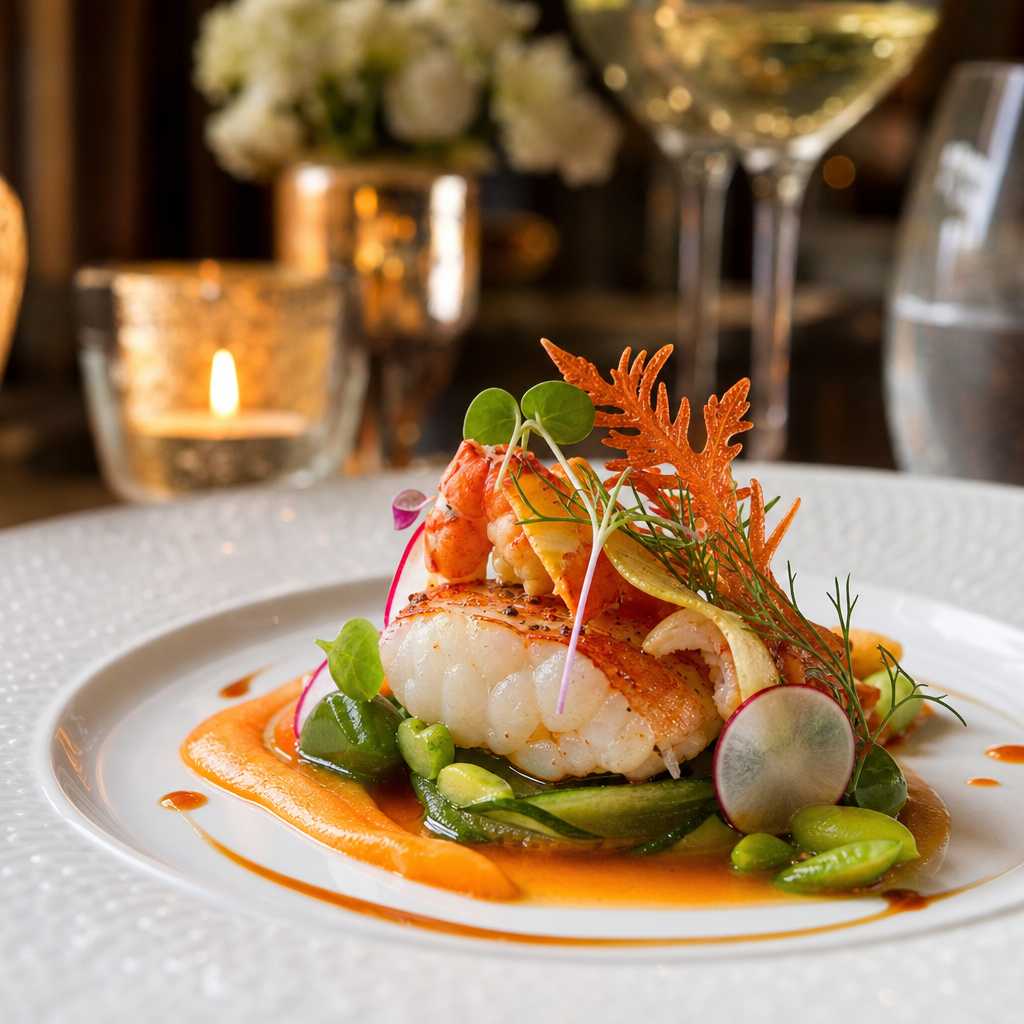
Mallorca's food scene is genuinely world-class and almost entirely unknown to the American market, which is part of what makes it exceptional. The island produces its own olive oil, wine, almonds, citrus, and sobrasada (a cured pork sausage specific to the Balearics) at a quality level that feeds directly into the top restaurants. This is not a destination relying on imported ingredients and imported chefs to appear sophisticated. The culinary identity is authentically local.
The island currently holds Michelin stars at multiple properties, with Adrián Quetglas in Palma being among the most internationally recognized. Beyond the star system, the density of excellent restaurants relative to the island's size is remarkable. A private dinner prepared at your villa by a local chef sourcing from the Mercat de l'Olivar in Palma is an experience that requires a specific type of booking relationship that generalist agencies simply do not maintain.
Pro tip: The best restaurant experiences in Mallorca are not walk-ins, even at the upper end of the market. Maison Mallorca maintains active relationships with the island's top kitchens precisely so that clients do not have to compete for tables through public reservation platforms that locals and regulars already dominate.
Private Yacht Charters and the Waters Around Mallorca
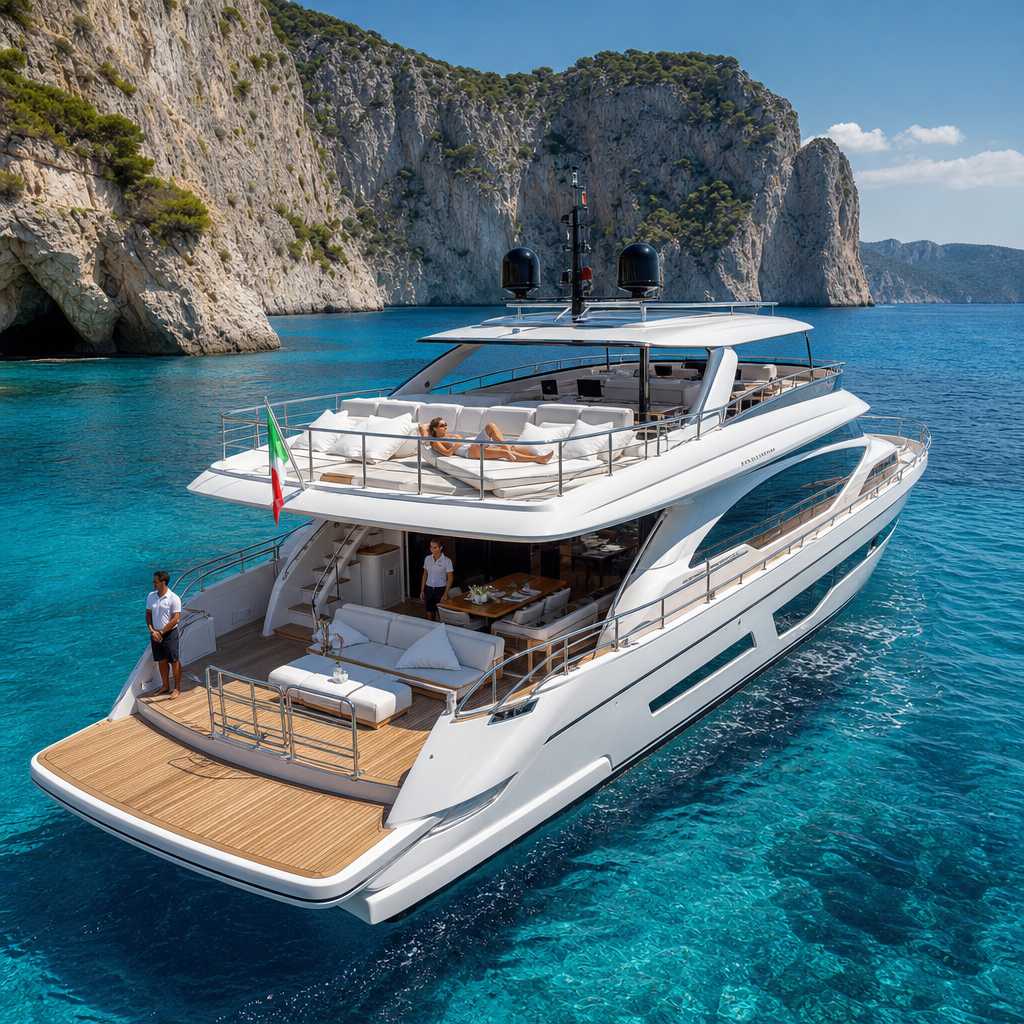
Mallorca's position in the western Mediterranean makes it one of the finest sailing bases in the world. The waters between Mallorca, Menorca, Ibiza, and the Spanish mainland offer diverse sailing conditions, protected anchorages, and a density of secluded coves that is difficult to match anywhere else in Europe. For American travelers who have done Caribbean charters, the Mallorcan sailing experience is at least comparable in scenery and superior in cultural access and cuisine.
The island's marinas, particularly Puerto Portals and Port Adriano, are among the most well-equipped in the Mediterranean. Charter options range from day sails on a 60-foot sailing yacht to week-long superyacht charters with full crew, captain, and chef. The practical difference between booking a charter independently and working through a concierge with marina relationships is significant, particularly in July and August when the best vessels are committed months in advance.
For those who want the charter experience without the full commitment, half-day charters to the Dragonera island nature reserve off the island's western tip or to the sea caves near Cala Varques in the southeast are among the most visually spectacular experiences Mallorca offers. These routes are rarely found in standard charter brochures.
Best Time to Visit Mallorca for Americans in 2026
The data consistently shows that Americans who have visited multiple times migrate toward May, June, and September as their preferred travel windows. July and August deliver peak Mediterranean conditions, warm sea temperatures, and the full density of the island's social and dining scene, but they also bring crowds at popular beaches and a competitive market for restaurant tables and charter availability.
May and early June offer average daily temperatures in the mid-20s Celsius (approximately 75 to 80 degrees Fahrenheit), sea temperatures that are fully swimmable by late May, and a landscape that is green and flowering rather than dry. The marina infrastructure, restaurants, and villa services are all fully operational. September delivers some of the best sailing conditions of the year, slightly warmer sea temperatures than early summer, and a noticeable reduction in casual tourist density.
For Mallorca travel in 2026 specifically, Americans should be aware that European summer travel demand continues to grow. The window for securing the best villas, charter vessels, and restaurant reservations for July and August 2026 effectively opens in late 2025. Waiting until spring 2026 to plan a high-season trip narrows your options significantly at the top of the market.
Pro tip: If your schedule is flexible, a September trip to Mallorca in 2026 will likely deliver a better overall experience than mid-August at a lower cost per day and with easier access to every element of the itinerary. The sea is at its warmest in September and the island feels like it is yours.
How Concierge-Level Planning Changes the Entire Experience
There is a meaningful difference between booking a trip to Mallorca and designing one. The former involves assembling components from public-facing platforms. The latter involves working with people who have relationships, local intelligence, and the ability to anticipate problems before they occur. For high-net-worth American travelers, that difference is the entire experience.
Maison Mallorca operates specifically at this level. The service model covers curated villa selection from a portfolio that includes properties not available through standard rental platforms, exclusive restaurant reservations secured through active local relationships, private yacht charter coordination, cultural programming including access to private art collections and historic estates, golf at Son Vida and other championship courses, and 24/7 on-island support from a team that understands both the island and the expectations of American clients.
The competitive landscape includes operators like villasofmallorca.com and mallorcavillas.com, which function primarily as property listing platforms, and quintaessentiamallorca.com, which offers concierge services but is oriented toward a predominantly European client base. The distinction Maison Mallorca offers is a service model built specifically around the preferences, communication styles, and expectations of American travelers, combined with the depth of local knowledge that only comes from being genuinely embedded in the island.
In practice, this means clients receive a curated itinerary that accounts for everything from the specific configuration of a villa's kitchen for a private dinner to the logistics of getting golf equipment from the airport to the course without the client having to manage any of it. The value is not in access to a list of vendors. It is in knowing which vendors are actually excellent and which ones only appear to be.
Frequently Asked Questions
Is Mallorca worth visiting for Americans who have already done the Italian coast or the French Riviera?
Mallorca is not a consolation prize for travelers who cannot get to the Riviera. It is a distinct experience that in many respects outperforms both. The combination of private estate availability, sailing access, culinary depth, and lower crowd density compared to the most famous Italian and French spots makes it the preferred choice for experienced luxury Mediterranean travelers. Most American clients who visit for the first time through Maison Mallorca describe it as the best trip they have taken in Europe.
How far is Mallorca from the United States and how do Americans typically get there?
There are no nonstop flights from the US to Palma de Mallorca (PMI) as of 2025, but one-stop routings through Madrid, Barcelona, London Heathrow, or Frankfurt are well-served and efficient. Total journey time from the East Coast is typically 10 to 12 hours including the connection. From major West Coast hubs, add approximately 2 to 3 hours. Business class availability on transatlantic legs through Iberia, British Airways, and Lufthansa is strong, and Maison Mallorca coordinates all flight logistics as part of the full concierge service.
What is the best area of Mallorca for a luxury villa rental?
The answer depends on what you want from the trip. The Tramuntana mountain zone, including Deià, Valldemossa, and Sóller, delivers the most dramatic scenery and the most distinctive sense of place, with a cooler microclimate and a cultural heritage that includes resident artists and writers. The southwest coast near Puerto Portals and Port Adriano suits travelers who want immediate marina access and active social dining. The southeast, around Santanyí and Cala d'Or, offers the clearest water and the quietest experience. A good concierge will match the zone to the group's actual priorities, not just book what is available.
When should Americans book a luxury Mallorca vacation for summer 2026?
For July and August 2026, the practical booking window for the best villas and yacht charters opens in late 2025. Waiting until spring 2026 will leave you working from whatever remains available after European clients and returning American visitors have committed. For shoulder season travel in May, June, or September, a 4 to 6 month lead time is generally sufficient, though the very best properties at any time of year benefit from earlier commitment.
What does a full-service Mallorca concierge actually handle that a standard travel agent does not?
A standard travel agent books accommodation and flights. A concierge at the level Maison Mallorca operates handles the complete architecture of the trip, including private villa selection from non-public portfolios, restaurant reservations through active personal relationships with restaurants that do not take standard bookings, private yacht charter coordination with vetted crews, cultural programming including access to private estates and local experts, in-country logistics from airport arrival through departure, and 24/7 on-island support from people who are physically present and know the island in real time. The difference becomes visible the moment something needs to change.
Is Mallorca safe and convenient for American families traveling with children?
Mallorca is consistently rated among the safest travel destinations in Europe, with excellent medical infrastructure, English widely spoken in service environments, and a physical environment that is well-suited to family travel. Private villa rentals are particularly practical for families, providing the space, kitchen facilities, and outdoor areas that hotel accommodation rarely offers at the same quality level. Child-appropriate programming including sailing lessons, cooking classes, cultural visits, and beach activities is fully available through a concierge service that understands family logistics.
If you have visited Mallorca or are planning your first luxury trip to the island, share what you are most looking forward to or what surprised you most about the experience.
We would love your feedback and any insights you would share with others. What perspective would you add?